
Summary: China’s market regulator has released guidance to restrict car sales priced below production cost and to clamp down on practices that transfer losses to dealers. The guidance seeks to restore fair competition and reduce disruptive behaviour that authorities say undermines market order and the auto industry’s sustainable development.
The State Administration for Market Regulation announced a set of measures designed to stop automakers and dealers from offering vehicles at prices beneath production costs. Authorities presented the guidance as a step to protect fair competition and prevent conduct that disrupts market order and threatens the industry’s long-term development.
Regulators explicitly identified the practice of selling below production cost as damaging to orderly market functioning and harmful to longer-term industry prospects. The guidance also warns against coercive rebate schemes and other arrangements that shift financial losses onto franchised dealerships, signalling a tougher stance on practices deemed anti-competitive.
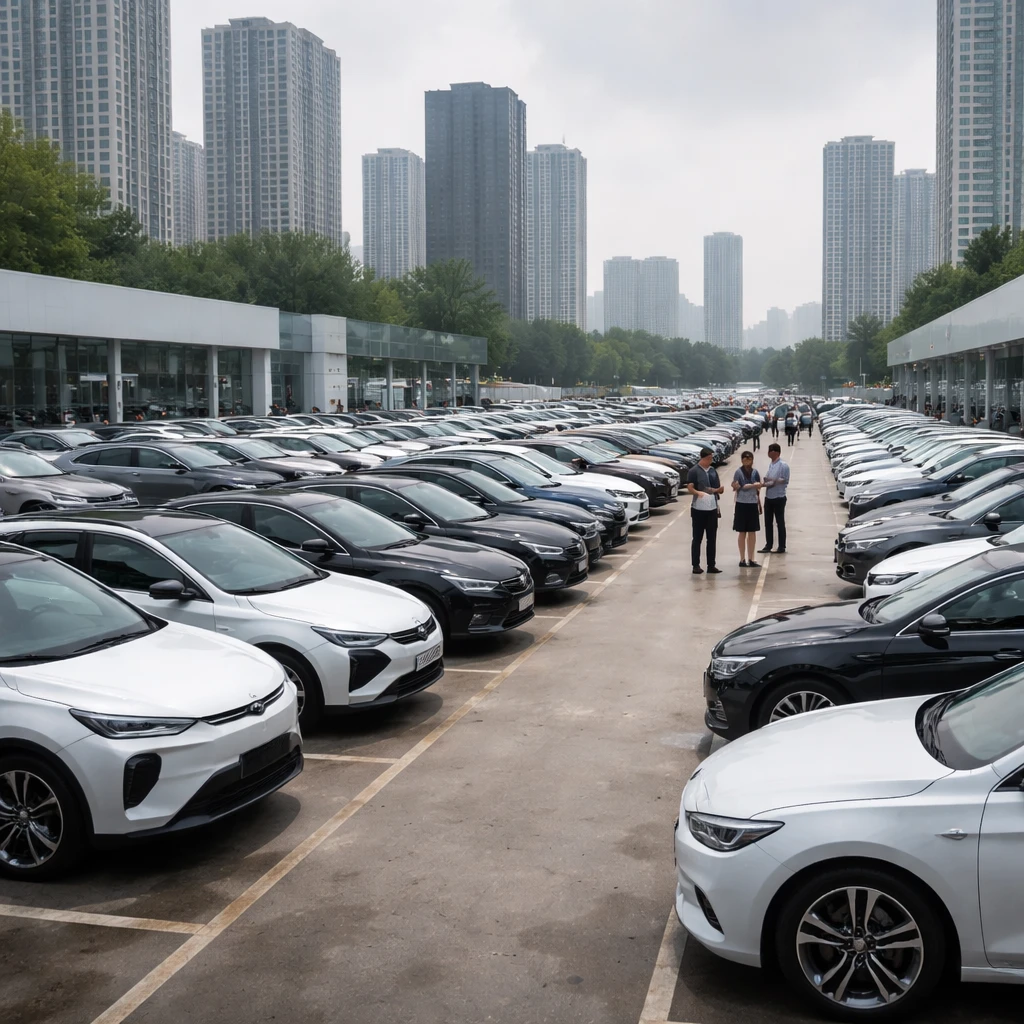
China’s car market has been embroiled in an intense price battle for over a year, with manufacturers repeatedly cutting sticker prices and layering on substantial incentives to defend market share. Those aggressive discounting campaigns have come amid a backdrop of slowing demand and rising inventories, factors that have exacerbated pressure on margins and profitability across the sector.
The electric vehicle segment has been a particularly heated front in the price war. Dozens of domestic EV brands are competing aggressively for customers while established global automakers also contest the market, contributing to intense discounting and promotions.
By targeting both below-cost sales and coercive rebate arrangements, the regulator said enforcement of anti-unfair competition laws will be strengthened. The guidance is presented as part of a broader policy aim to stabilise key industries, bolster business confidence and encourage more sustainable growth in the sizable but increasingly crowded Chinese automotive market.
Officials framed the intervention as a preventative and corrective measure to preserve orderly competition and protect the economic health of the industry and its distribution network. The regulatory focus on practices that shift losses to dealers underscores concern about the downstream effects of manufacturer-led discounting.
While the guidance signals a firmer regulatory posture, the announcement is couched as supporting the twin objectives of market order and sustainable industry development rather than prescribing specific penalties in the initial statement.
Key points:
- Regulator guidance prohibits selling vehicles below production cost to promote fair competition and protect market order.
- Price war lasting more than a year has involved widespread price cuts and incentives amid slowing demand and rising inventories, squeezing profitability across the auto sector.
- The electric vehicle segment has seen particularly fierce competition, with numerous domestic brands and global players jostling for market share.
Risks and uncertainties:
- Continued deep discounting could further erode profitability for automakers and dealers if enforcement is uneven - affecting manufacturers and dealership networks.
- Coercive rebate practices that shift losses onto dealerships risk destabilising the retail distribution channel and dealer solvency.
- Failure to restore orderly competition could harm long-term industry development and business confidence across the automotive sector.