
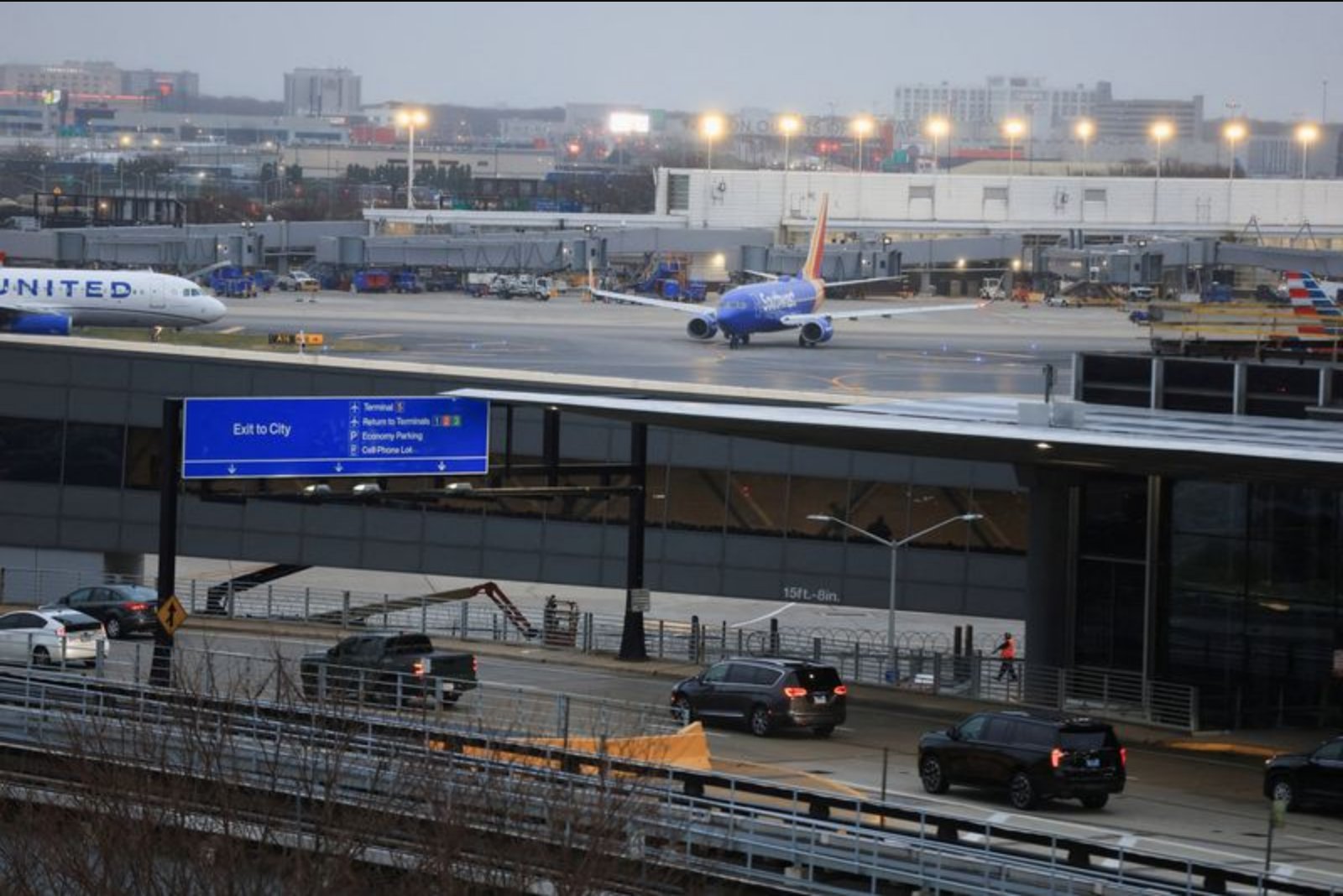
WASHINGTON, March 12 - Chicago’s Aviation Department on Thursday formally urged the Federal Aviation Administration not to reduce flight operations at O’Hare International Airport below 2,800 daily departures, calling any lower limit unwarranted and warning it would "lead to significant disruption to the National Airspace System."
The FAA on February 27 proposed capping summer flights at 2,800 per day. That figure is lower than the 3,080 daily operations that had been announced for the summer but remains higher than last summer’s level of 2,680 daily flights. The proposal followed a surge in O’Hare scheduling as the airport’s two dominant carriers, United Airlines and American Airlines, added substantial service while competing to solidify positions at the hub.
Ongoing discussions and shifting targets
According to the city, discussions between the FAA and stakeholders have continued. Reuters reported on March 5 that the FAA privately told airlines it wanted steeper cuts to roughly 2,500 flights per day, though that precise number is still under consideration. City officials say the FAA is expected to reconvene a schedule reduction meeting next week as it works to finalize any flight limits.
The Chicago Aviation Department said that during meetings last week FAA Administrator Bryan Bedford indicated he wanted fewer than 2,500 flights per day; the following day the FAA told the city it sought 2,400. Airline officials later said the number moved to around 2,550 per day, but the city characterized the target as still in flux.
Capacity and operational stress
The FAA has signaled concern about the scale of the summer schedules. It said the planned level of activity would make 2026 the busiest summer on record at O’Hare and described the increase as "significant and would stress the runway, terminal, and airtraffic control systems." The agency has cited potential strain on physical and operational infrastructure as part of the rationale for discussing limits.
Airlines say their schedule choices are tied to gate access and competitive positioning. United plans to run 780 flights a day from Chicago O’Hare this month, up from an average of 541 flights per day last year. American announced in December that it would add 100 daily departures to more than 75 destinations for spring-break travel, representing a 30% increase in spring departures compared with 2025. American’s daily departures at O’Hare are expected to climb from 484 last summer to 526 this summer.
Carrier tensions
Tensions between the two major carriers are evident in public comments and internal communications. United CEO Scott Kirby this week said American would lose about $1 billion on its Chicago operations this year and suggested American increased flights in response to United’s moves, stating: "We didn’t want to do it... but we couldn’t lose gates."
American, in an internal memo this month, described United’s scheduling at O’Hare as "reckless" and warned that the heightened activity would produce "long taxi times, extensive tarmac delays, missed customer connections, disrupted crew sequencing and cascading disruptions across the system."
With the FAA, city officials, and carriers still negotiating specific daily limits, the final framework for summer schedules at O’Hare remains unsettled. Officials on all sides have signaled the potential for operational strain if schedules are not adjusted, but the precise cap that will be imposed is still being determined.