
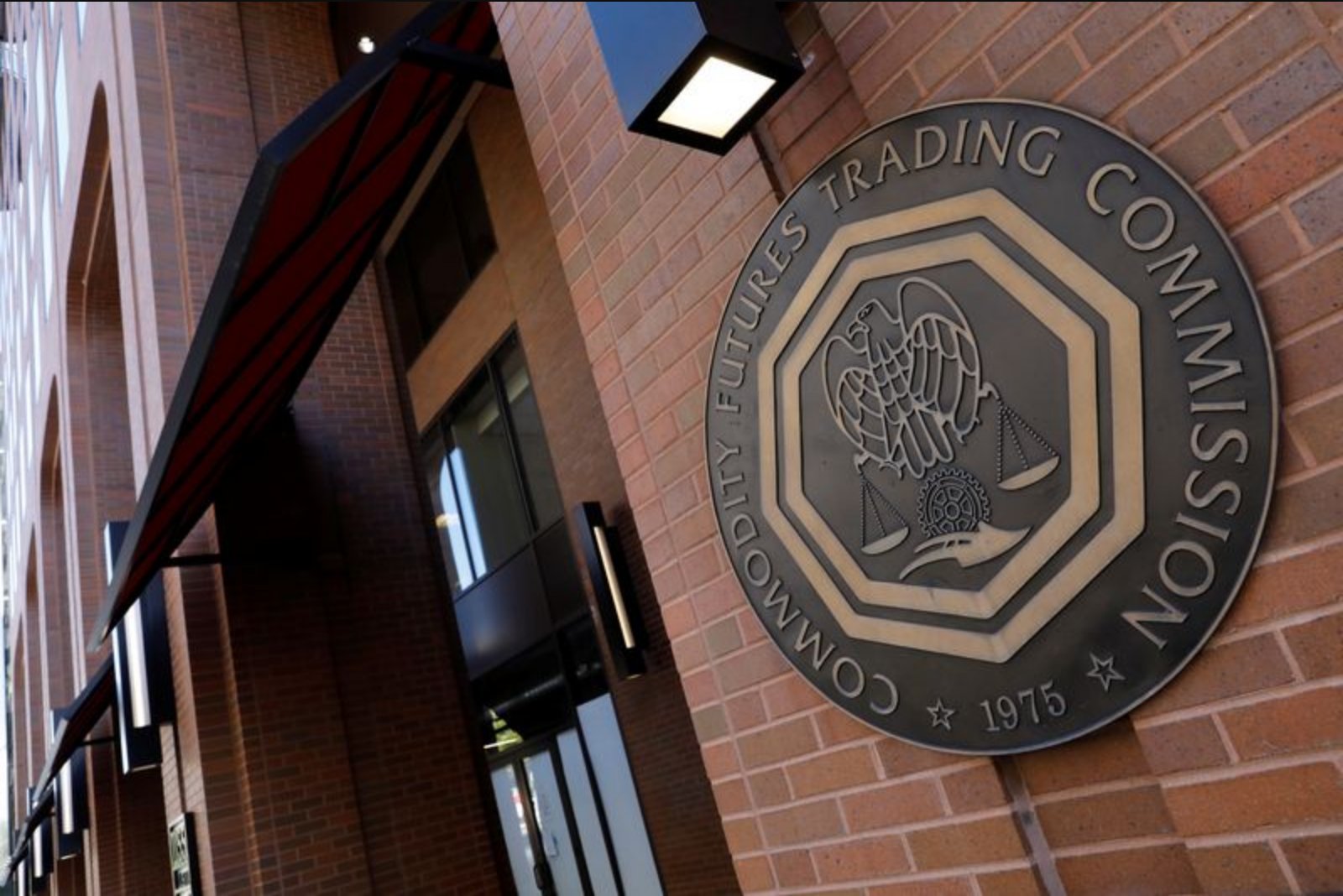
March 3 - The U.S. Commodity Futures Trading Commission has forwarded a rulemaking plan for prediction markets to the President’s Office of Management and Budget (OMB), marking the start of the formal process to develop regulatory rules for these rapidly expanding platforms.
The Budget office’s regulatory affairs portal indicates the CFTC’s submission was entered on Monday and is currently in the "prerule" stage. The listing contains no further detail, but the designation signals the beginning of the agency’s formal rulemaking timeline.
Prediction market platforms such as Kalshi and Polymarket have attracted heightened scrutiny recently after markets allowed wagers on events that some lawmakers and observers find objectionable, including bets tied to the potential death of Iran’s Supreme Leader Ayatollah Ali Khamenei. Those particular markets have prompted threats from U.S. lawmakers to move to outlaw such wagers.
At the same time, operators of prediction markets are encountering enforcement and policy objections from state-level gaming regulators. The combination of federal attention and state pushback frames the regulatory environment that the CFTC is now preparing to address through the rulemaking process.
The submission to OMB also comes while the CFTC is under new Republican leadership, and agency officials are attempting to clarify and establish the commission’s jurisdiction over these betting-style markets. The move to send a rule proposal to OMB is the initial formal step toward drafting binding rules that would define how prediction markets operate under federal oversight.
The public listing on the Budget office’s regulatory affairs website provides only the status and date of submission, not the substance of the proposed rules. As a result, details on the scope of the CFTC’s planned regulatory approach, timing for a proposed rule, or the potential compliance requirements for platforms remain unspecified by the posted entry.
Summary
The CFTC has submitted a prediction markets rulemaking plan to the OMB, recorded as in "prerule" status on the Budget office’s regulatory affairs website. This administrative filing begins the process of developing formal regulations amid political criticism of certain event-based wagers and resistance from state gaming regulators. The commission, now led by a new Republican chairman, is seeking to assert its authority over these markets.