
Stock Markets February 12, 2026

CFM Evaluates Conventional 'Advanced Ducted' Option Alongside Open-Fan Engine Design

Co-owned GE-Safran venture formalises an alternative to its open-rotor concept as industry wrestles with fuel-efficiency and emissions goals

By Ajmal Hussain
CFM Evaluates Conventional 'Advanced Ducted' Option Alongside Open-Fan Engine Design

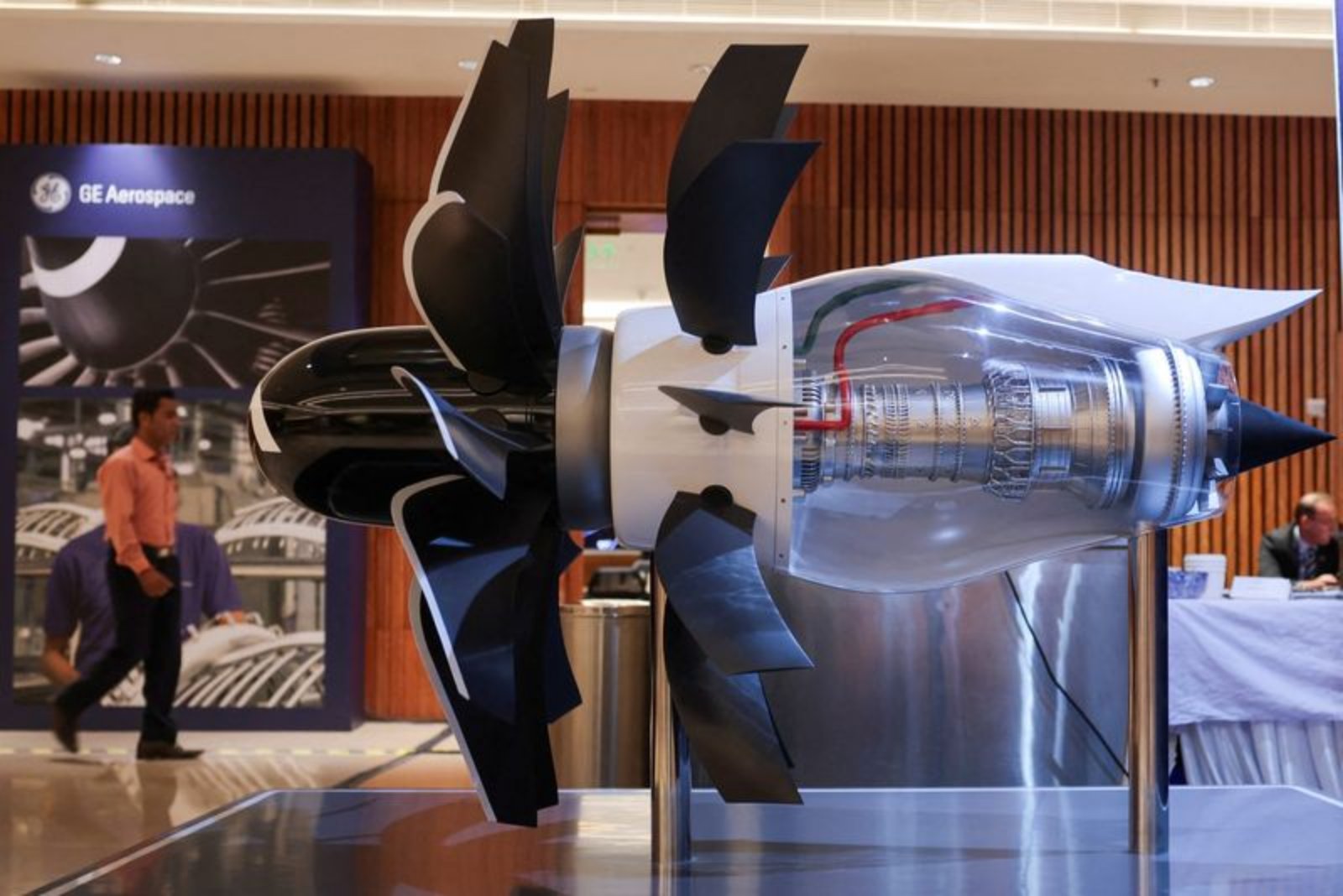
CFM, the joint venture between GE Aerospace and Safran, is formally studying a more traditional ducted fan engine architecture in addition to its preferred open-fan, or open-rotor, concept. The open-fan design is promoted under the RISE research programme as delivering about 20% fuel and emissions savings, but the newly revealed 'Advanced Ducted-Large' work stream signals the company is taking a conventional, shrouded-fan alternative seriously. The choice between designs could affect the efficiency profile of aircraft entering service around 2040 and has commercial implications for airframers.

Key Points

  • CFM, the GE-Safran joint venture, is studying an "Advanced Ducted-Large" (ADL) architecture in addition to its preferred open-fan concept.
  • The open-fan design, promoted under the RISE programme, is cited as offering about 20% fuel and emissions savings, while ducted designs typically save less fuel but may be more adaptable.
  • The technology decision influences not only engineering outcomes for jets due around 2040 but also the commercial strategies of aircraft manufacturers and operators.

CFM, the engine joint venture owned by GE Aerospace and France's Safran, has broadened its technical focus for the next generation of jet propulsion by formally studying a ducted-fan architecture alongside the open-fan concept it has previously championed, industry sources said.

The open-fan approach, which exposes a large fan instead of enclosing it in the traditional casing, has been promoted by the venture within the RISE research programme as the most fuel-efficient route for future Airbus and Boeing widebody and single-aisle families. Under RISE, CFM says the open-bladed concept could yield roughly 20% savings in fuel burn and associated emissions.

Sources told Reuters that CFM is now also investigating a more conventional layout in which the fan is contained within a shroud similar to current engine casings. That alternative design is being studied under a separate internal label identified as "Advanced Ducted-Large" or ADL, according to a Safran job description seen by Reuters and confirmed to exist by three industry sources. The employee's stated responsibilities include work on future civil and defence programmes, naming both the Open Fan and the ADL project.

Industry experts note the trade-offs between the two architectures. Shrouded, ducted fans typically deliver smaller fuel savings compared with exposed open-rotor concepts, but they can offer advantages in terms of adaptability and packaging. The exact performance gap is not restated beyond the RISE figure for the open-fan.

The parallel workstreams matter for more than technology alone. The selection between open-rotor and advanced ducted designs carries potential consequences for the commercial plans of aircraft manufacturers and for which engines airlines and lessors may favor for fleets expected to enter service around 2040.

CFM and its parent companies have publicly maintained that they will supply whatever engines airframers select and have not ruled out more traditional designs even while emphasising the benefits of the open-bladed architecture. The creation of a distinct code name and a visible assignment in a Safran job posting mark the first concrete sign that the ducted option is being treated with dedicated attention inside the venture.

Both Safran and GE declined to comment when approached. The French group is scheduled to report earnings on Friday.


Contextual note - The RISE programme has been referenced in discussions of fuel and emissions reductions for future civil aircraft, and the parallel study of ADL reflects CFM's engineering breadth as it prepares options for airframers and operators.

Risks

  • The ducted option is expected to deliver smaller fuel savings than the open-fan concept, which could affect airline economics and fleet selection - impacting the aerospace and airline sectors.
  • Uncertainty remains because CFM, Safran, and GE have declined to comment on the alternative programme publicly, leaving the scope and timeline of ADL unclear - affecting market planning for airframers and suppliers.
  • The choice between architectures could reshape commercial strategies for Airbus and Boeing and reverberate through suppliers and lessors if one design proves more adaptable or preferable - impacting aerospace manufacturing and aviation finance.

More from Stock Markets

Chinese AI Stocks Rally as Investors Embrace Winners While U.S. Markets Worry Feb 21, 2026 Three Earnings Reports This Week Will Test the Durability of the AI Investment Theme Feb 21, 2026 Moscow Market Closes Flat as Select Large-Caps Offset Losses Feb 21, 2026 Honeywell Reconsiders Purchase of Johnson Matthey Catalyst Unit as Closing Obstacles Emerge Feb 21, 2026 Indigenous Occupation Halts Operations at Cargill’s Santarem Terminal Feb 21, 2026