
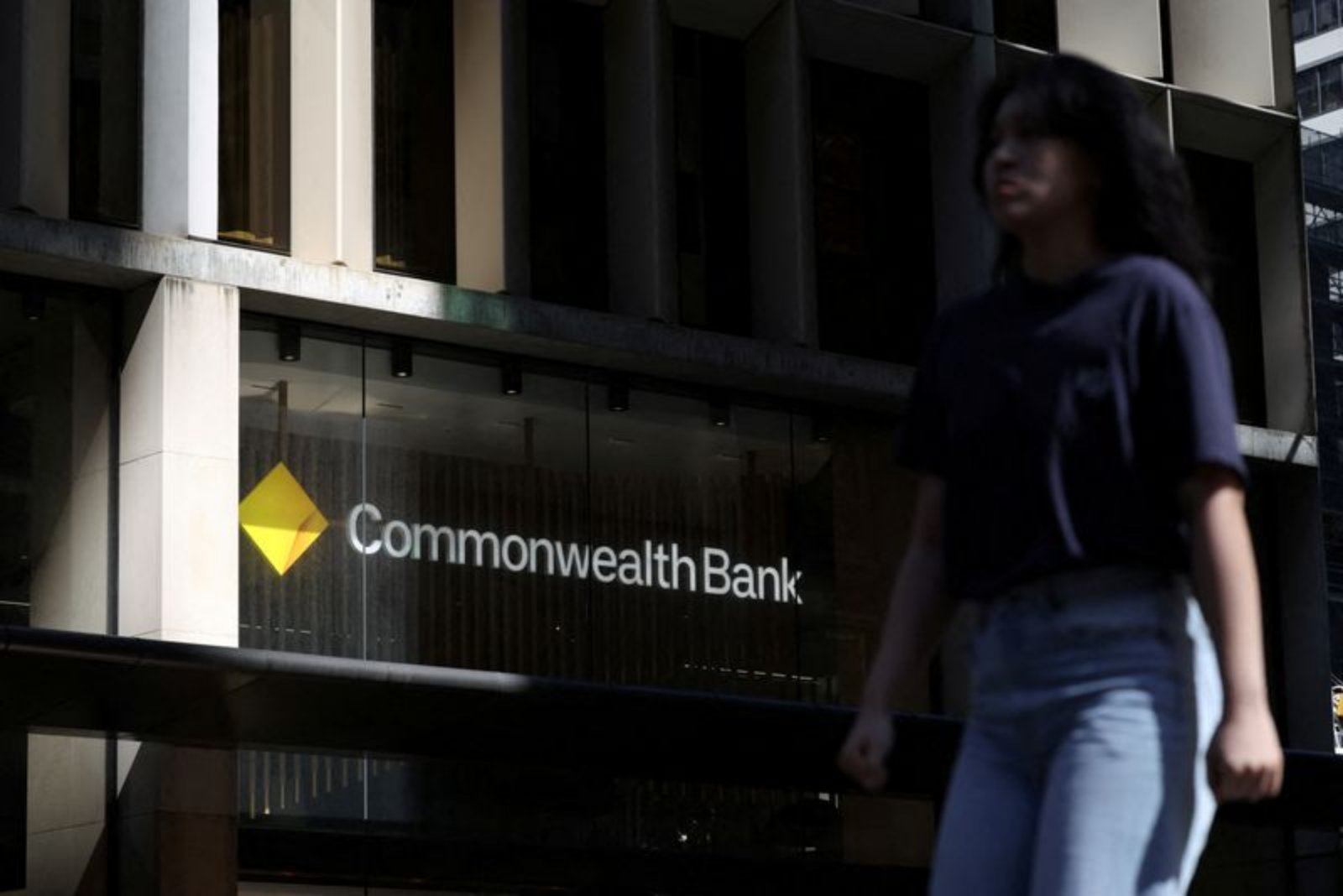
Commonwealth Bank of Australia reported record first-half cash earnings on Wednesday, supported by solid growth in lending and deposit balances even as margins came under pressure in a competitive, low-interest-rate environment.
For the six months ended December 31, the bank posted a cash net profit after tax of A$5.45 billion, up from A$5.13 billion a year earlier. That result also exceeded the Visible Alpha consensus estimate of A$5.19 billion. Alongside the profit, the lender declared an interim dividend of A$2.35 per share, higher than last year’s A$2.25 and above the Visible Alpha consensus of A$2.31.
Volume growth underpinned the performance. Home lending volumes rose 3.7%, while business lending expanded 6.0% - both rates ahead of system growth. Household deposits increased by 7.5%, likewise outpacing system growth. These flows helped CBA maintain its leading position in home lending with a 25.4% market share.
Despite the top-line momentum, profitability metrics showed strain. CBA’s net interest margin - the spread between lending and deposit rates and a principal gauge of bank profitability - fell by 4 basis points to 2.04% from a year earlier. The lender attributed the decline to intensifying competition for borrowers during the July-December period and to lower income from its treasury and markets division, both of which weighed on margins.
Operating costs rose during the half as the bank continued to invest in its technology platform. Total operating expenses increased 5% to A$6.72 billion. Approximately A$1.2 billion of that expenditure was directed to a revamp of technology infrastructure aimed at enhancing the bank’s generative artificial intelligence capabilities, a spend level described as 10% higher than the prior year.
On capital strength, CBA reported its common equity tier 1 ratio improved by 10 basis points from the prior year to 12.3%, indicating an increase in its buffer of high-quality capital.
The bank noted it remains attentive to competitive dynamics and their potential effects across the financial system, and said its financial position allows it to support lending growth while continuing technology modernisation and GenAI investment.
Context on forecasting and tools
Market commentary included a promotional note about a stock-evaluation tool. That commentary described an AI-driven strategy that evaluates companies across numerous financial metrics to identify investment ideas, and referenced past winners. The exchange rate used in the reporting was $1 = 1.4132 Australian dollars.