
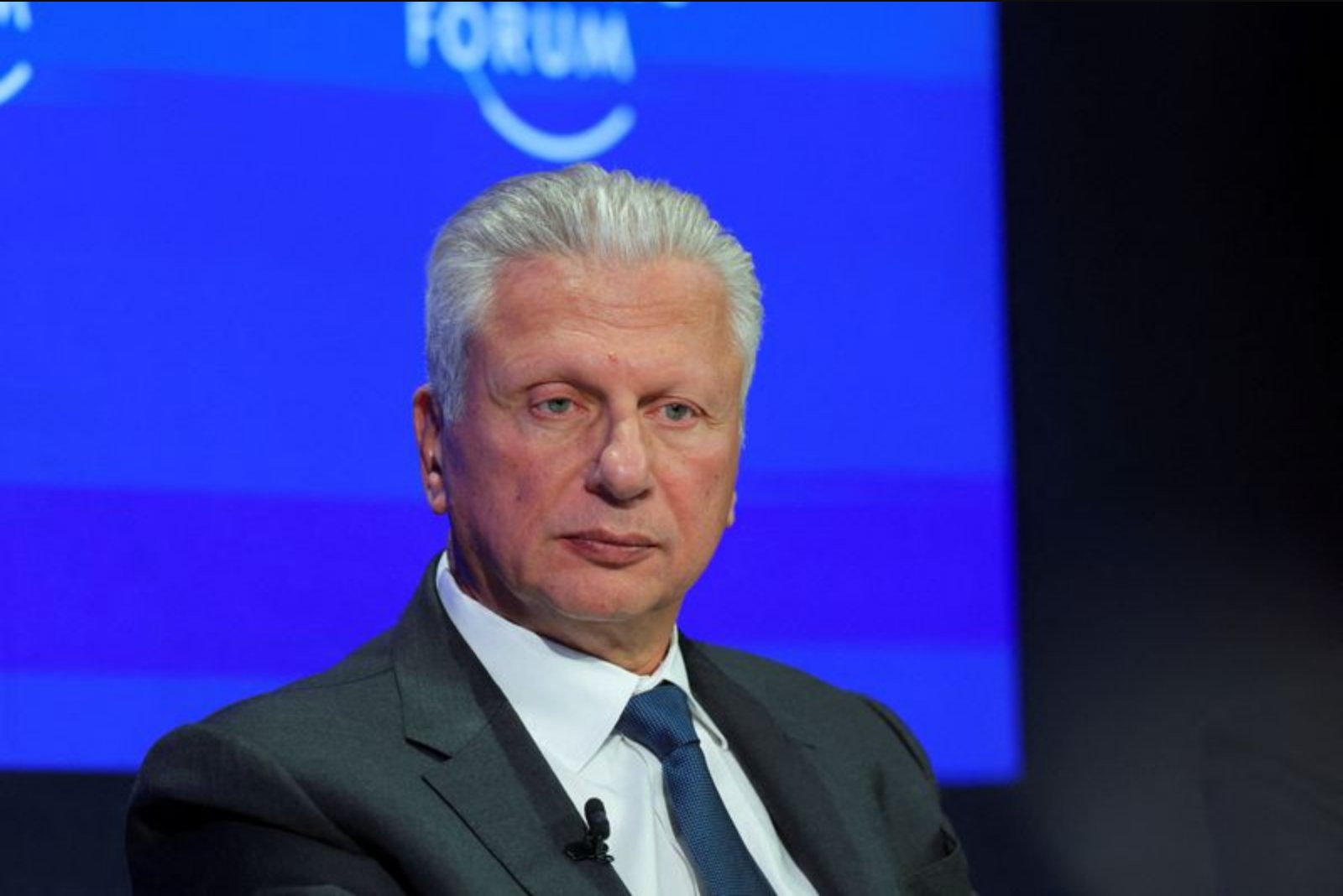
Capgemini's chief executive, Aiman Ezzat, on Friday pushed back against proposals for complete European technological independence, arguing that no region can claim total sovereignty across the full value chain needed to deliver digital services. His comments come amid growing concern about Europe’s reliance on major U.S. technology companies as transatlantic tensions strain relations.
The French IT services group, which counts government agencies, critical-infrastructure operators and large regulated enterprises among its clients, is positioning itself as a mediator between Brussels’ stated sovereignty goals and the practical reality that much cloud infrastructure is provided by U.S. firms.
“There is no such thing as absolute sovereignty,” Ezzat said to journalists during a post-earnings call. “Nobody has it, because no one has sovereignty over the entire value chain required to deliver services.”
Ezzat, who leads the digital working group at the European Round Table for Industry, said he has raised the issue with officials at the European Commission in Brussels and in discussions at Davos. He said the Commission largely shares his perspective.
He described digital autonomy as comprising four layers - data, operations, regulation and technology - and said current deliberations are aiming to strike the right balance between sovereignty requirements and ensuring that companies can adopt artificial intelligence in order to remain competitive on the global stage. According to Ezzat, Europe already has independence on the first three layers, but the technological layer remains influenced by the dominance of U.S. Big Tech.
Rather than advocating for a blanket push to cut ties with foreign providers, Ezzat recommended that European countries adopt what he called the right sovereignty solution tailored to the use case, the client environment and government needs. He pointed to emerging partnerships with European AI developers, including France-based Mistral, as examples of incremental progress toward greater local capability.
At the same time, Capgemini has struck agreements with major U.S. hyperscalers - AWS, Google Cloud and Microsoft - to offer what the firm describes as "sovereign" AI solutions. These arrangements involve cloud services delivered by a Europe-based company while operating on American infrastructure, reflecting the hybrid approach Ezzat outlined.
Capgemini is also managing reputational fallout related to government work. The company said earlier this month it would sell its U.S. subsidiary, Capgemini Government Solutions, after public criticism over a $4.8 million contract to provide data analysis services for U.S. Immigration and Customs Enforcement.
Questions about vendor relationships and sovereignty intersect with commercial and political sensitivities for firms that serve regulated sectors. The debate concerns how to reconcile national and regional policy aims with the operational and technological realities faced by service providers and their clients.
Separately, some market services are promoting analytic tools for individual investors. One such service described itself as evaluating Microsoft - ticker MSFT - along with thousands of other companies using more than 100 financial metrics and cited past picks including Super Micro Computer (+185%) and AppLovin (+157%). The promotional material framed this as a way to identify stocks with attractive risk-reward profiles based on current data.
Implications
The conversation that Ezzat lays out is a pragmatic attempt to reconcile policy goals with market realities. For European regulators and buyers of cloud and AI services, the question is how to craft sovereignty rules that protect strategic interests without cutting off access to critical technologies and partners.