
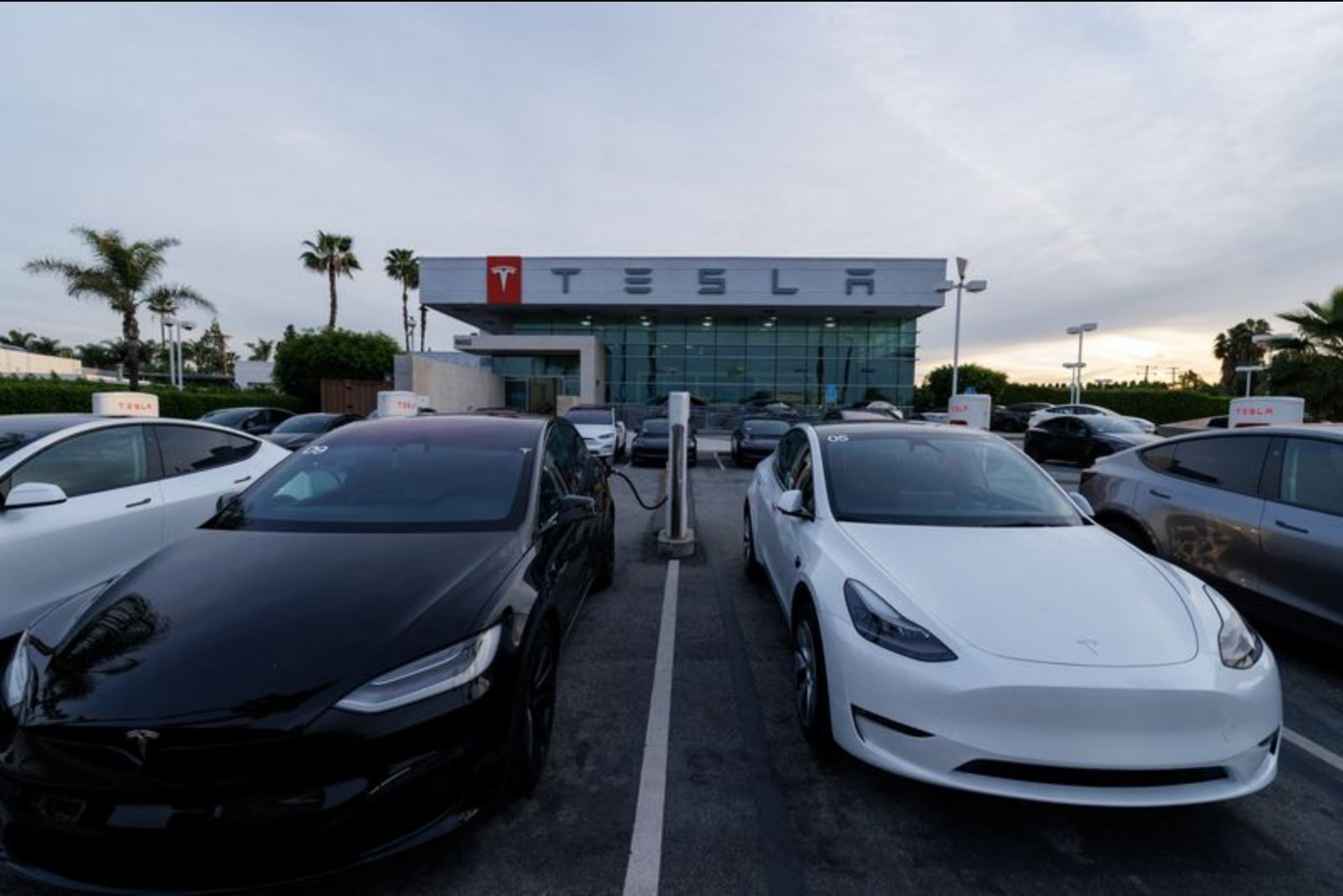
California’s Department of Motor Vehicles (DMV) has decided not to immediately carry out a 30-day suspension of Tesla’s dealer and manufacturer licenses after the U.S. electric vehicle maker stopped using the word "autopilot" in its California marketing, the regulator said on Tuesday.
The DMV had been preparing to suspend Tesla’s ability to sell and manufacture vehicles in the state, its largest U.S. market, after earlier allegations that the company’s marketing language could mislead consumers about the capabilities of its driver-assistance systems. The agency deferred the suspension while Tesla implemented the change to its advertising terminology, providing the company further time to respond to the regulator’s concerns.
This regulatory development coincides with a broader industry backdrop in which Tesla and other electric vehicle manufacturers are confronting a marked falloff in consumer demand after the expiration of key tax credits that had previously supported sales. At the same time, Tesla’s chief executive has been reallocating the company’s strategic attention toward developing robotaxis endowed with self-driving technology and toward humanoid robots.
The DMV’s engagement with Tesla dates back to 2022, when the agency accused the automaker of potentially misleading consumers by marketing advanced driver-assistance features under the names "autopilot" and "Full Self-Driving" (FSD). More recently, in December, the regulator narrowed the focus of its inquiry to the use of the specific term "autopilot." That followed Tesla’s revisions to how it described "Full Self-Driving," which the company adjusted to emphasize that driver supervision remains necessary.
The regulator has outlined the practical distinctions between the two systems at issue. According to the DMV, "autopilot" allows Tesla vehicles to carry out lane-keeping, braking and acceleration while on highways. "Full Self-Driving," by contrast, is defined as enabling vehicles to change lanes and to react to traffic signals in urban street settings.
By removing "autopilot" from its California marketing, Tesla has avoided immediate enforcement action in the form of a temporary license suspension. The DMV’s decision to defer suspension affords regulators and the company additional time to resolve the outstanding advertising questions under review.
Implications for markets and operations
- Automotive and EV manufacturers - Regulatory scrutiny of marketing language and slowing consumer demand may affect sales channels and promotional strategies.
- Regulatory bodies - The DMV’s actions demonstrate an active role in policing consumer-facing claims about advanced driver-assistance systems.
- Technology and autonomous vehicle development - Tesla’s strategic pivot toward robotaxis and humanoid robots remains part of the company’s broader agenda amid changing sales conditions.