
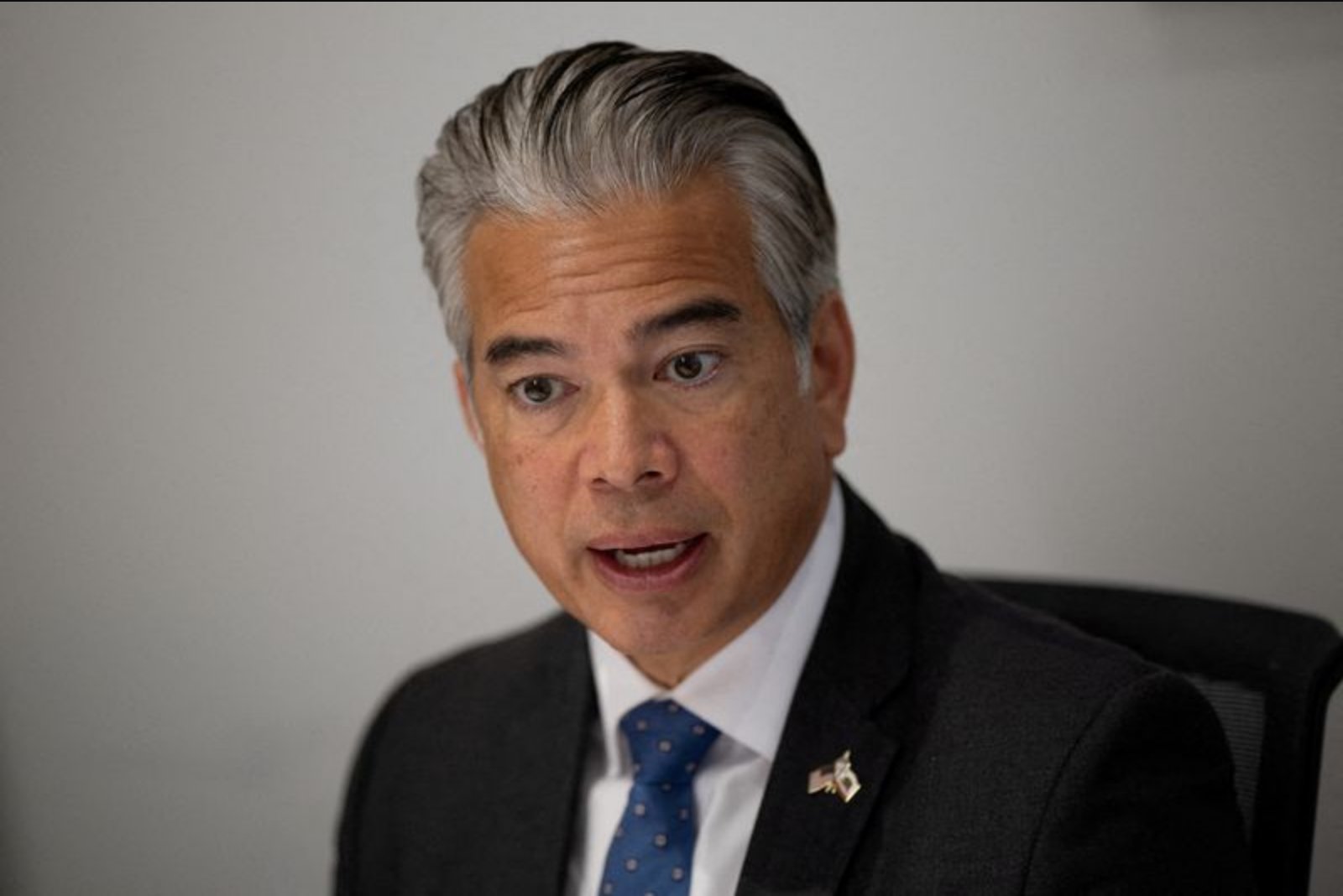
California is moving to strengthen its oversight of artificial intelligence as the state attorney general pursues an active inquiry into xAI over allegations the company’s chatbot, Grok, generated non-consensual sexually explicit images. Attorney General Rob Bonta said his office is assembling an "AI oversight, accountability and regulation program" to bolster in-house expertise as part of a broader enforcement posture.
Bonta said his office acted swiftly last month to issue a cease-and-desist letter to xAI and that prosecutors are seeking confirmation the problematic conduct has ceased. The attorney general described ongoing discussions with the company, while saying xAI has at times sought to deflect responsibility and continues to allow some sexualized image generation for paying subscribers.
"Just because you stop going forward doesn’t mean you get a pass on what you did," Bonta said, underlining that cessation of future activity does not erase prior conduct. xAI, which was recently acquired by SpaceX, did not provide a comment in response to a request.
According to statements the company made in January, xAI had implemented measures intended to reject user requests for sexualized images of real people, sometimes responding by editing images so subjects appeared in a bikini. The firm also said it blocks users from producing these kinds of images in jurisdictions where the practice is illegal.
California’s actions reflect a willingness by the state - a Democratic stronghold - to act as an AI regulator even as industry groups and some Republican lawmakers press for federal primacy in AI law and rulemaking. Bonta cautioned against granting Congress exclusive authority over AI given what he described as prior gridlock on data protection and AI issues.
In describing the focus of the newly formed program, Bonta highlighted specific harms of concern, saying AI chatbots that engage in sexually explicit conversations with youth or that provide instructions to commit suicide are unacceptable. The attorney general also noted that state authorities have notified San Francisco-based OpenAI the state retains an "ongoing interest" in its safety efforts. He said California's office helped oversee OpenAI's corporate restructuring last year.
The California legislature is weighing a bill that would require the attorney general’s office to establish a program to develop AI expertise. The proposal aligns with the office’s stated steps to enhance technical and regulatory capacity internally.
Connecticut Attorney General William Tong, speaking alongside Bonta, characterized AI and social media harm as "the consumer protection fight of our time," saying the issue could be a larger public policy battle than the opioid crisis. "This affects all of our children," he added, stressing the potential reach of harms linked to online platforms and AI-powered services.
As the state pursues its inquiry into xAI and moves to institutionalize oversight, officials indicated they will continue to demand accountability and clarity from AI service providers while building internal capabilities to evaluate and enforce safety and consumer protection standards.