
Stock Markets February 9, 2026

BYD Challenges U.S. Tariff Authority, Seeks Rebates for Levies Paid Since April

Chinese automaker's U.S. units ask court to rule IEEPA does not authorize border tariffs and request refunds for duties paid

By Avery Klein
BYD Challenges U.S. Tariff Authority, Seeks Rebates for Levies Paid Since April

Chinese electric vehicle and battery manufacturer BYD has filed suit in the U.S. Court of International Trade contesting the Trump administration's use of the International Emergency Economic Powers Act (IEEPA) to impose broad tariffs. Four BYD U.S. subsidiaries argue the statute does not permit tariffs and seek reimbursement for duties paid since last April. The litigation is the first by a Chinese carmaker on this issue and joins many other global companies mounting legal challenges to the administration's authority.

Key Points

  • BYD's four U.S. subsidiaries filed suit in the U.S. Court of International Trade on January 26, arguing IEEPA does not authorize tariffs because the statute's text does not include the word "tariff" or an equivalent term.
  • The company seeks refunds for all tariffs it says it paid since last April and brought the case to protect its ability to recover those payments.
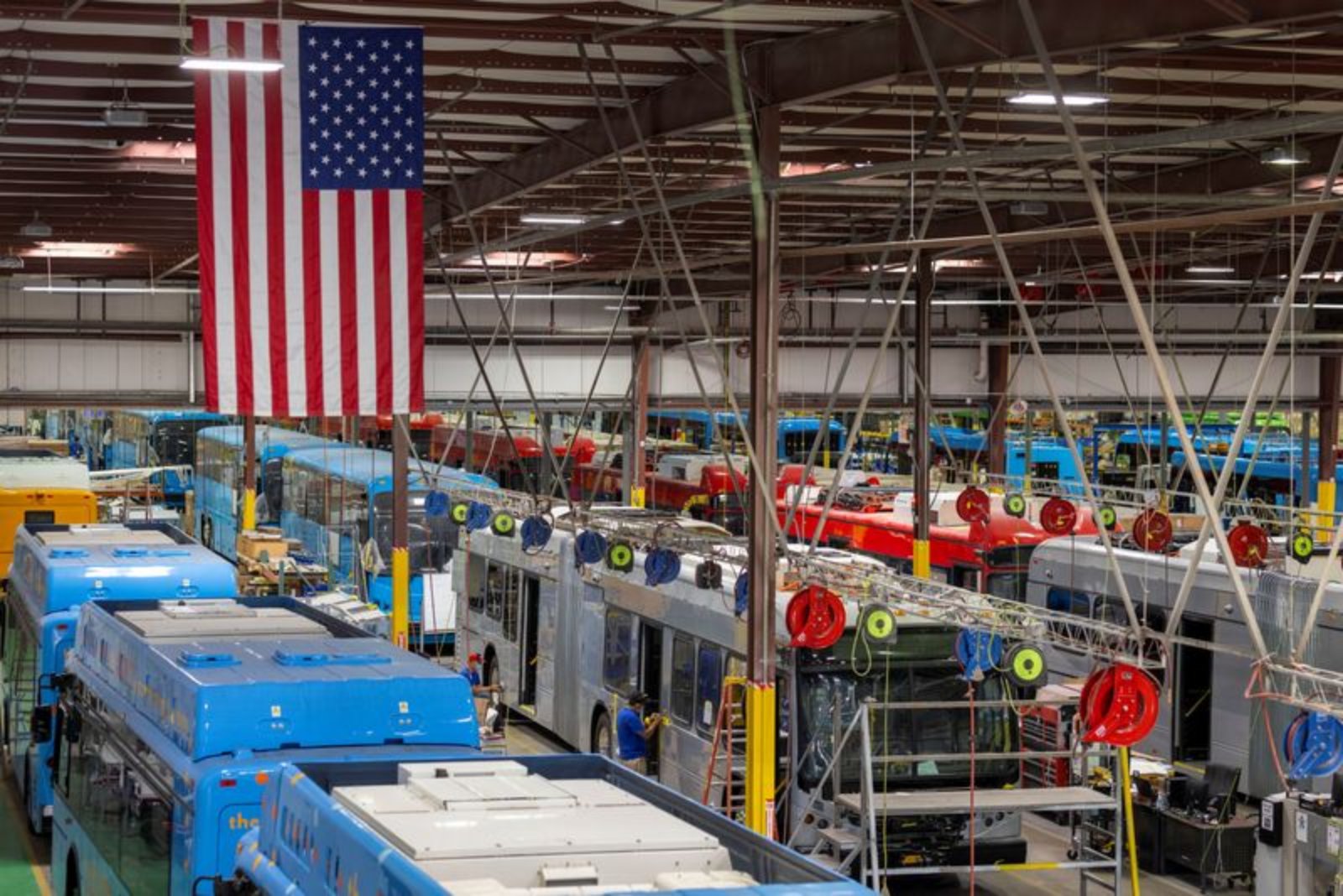
  • Although BYD does not sell passenger cars in the U.S., it operates in the country through buses, commercial vehicles, batteries, energy storage systems and solar panels and employs about 750 workers at its Lancaster, California truck plant.

Chinese automaker BYD has launched a legal challenge against the U.S. government, asking a federal trade court to declare that the International Emergency Economic Powers Act does not permit the imposition of border tariffs and seeking refunds for duties it says it paid beginning last April, according to court filings.

Filed on January 26 at the U.S. Court of International Trade in New York, the complaint was brought by four of BYD's U.S. subsidiaries. The suit contends that the plain language of IEEPA does not include the term "tariff" or an equivalent expression and therefore cannot authorize the border levies that were assessed under the statute, the filings state.

The action marks the first time a Chinese carmaker has pursued litigation over the tariffs, joining thousands of other multinational firms that operate in the United States and have separately challenged the administration's use of IEEPA to impose such taxes at the border.

BYD told the court it brought an independent suit to protect its ability to recover the tariff payments it says it has already made. While the company does not market passenger automobiles in the United States, its U.S. operations encompass buses and commercial vehicles as well as energy-related products including batteries, energy storage systems and solar panels.

According to the company's information, BYD North America operates a truck manufacturing plant in Lancaster, California, where it employs roughly 750 people.

The dispute over tariff authority is also the subject of a high-profile matter before the U.S. Supreme Court, which is expected to issue a ruling on the lawfulness of the tariff program. Trade Representative Jamieson Greer said last week that the court is taking time with the case given the "enormous" implications at stake.

The BYD case is registered under number 26-00847 at the U.S. Court of International Trade.


Investment services reference included in filings

The filings contain a promotional-style reference to stock research services. The material asks whether investors should consider buying the security cited as 1211 and describes an offering called ProPicks AI that it says evaluates that ticker and many other companies using more than 100 financial metrics. The text states that the AI screening tool reviews fundamentals, momentum and valuation without bias and cites past performance examples claiming gains of +185% for Super Micro Computer and +157% for AppLovin. It also invites readers to review whether 1211 is currently featured in any of the service's strategies.

Risks

  • Uncertainty over the legal interpretation of IEEPA - the U.S. Supreme Court is considering the lawfulness of the tariff program and its eventual ruling could affect refund prospects and tariff policy; this legal outcome could influence companies in the automotive and clean energy sectors.
  • Ongoing litigation volume - thousands of global firms have challenged the administration's use of IEEPA, creating an unsettled legal and regulatory environment that could affect cross-border trade, supply chains and firms operating in the United States.
  • Potential financial exposure for firms that paid tariffs - companies seeking refunds face process and timing risks tied to litigation and administrative procedures, which may impact cash flows for affected businesses in manufacturing, transportation and energy-related markets.

More from Stock Markets

U.S. Futures Slide as Trump Moves to Reapply Tariffs Under Alternate Law; Nvidia Results in Focus Feb 22, 2026 Asia Markets Wary as U.S. Tariff Uncertainty and Nvidia Results Loom Feb 22, 2026 Rolls-Royce Set to Reveal Up to £1.5 Billion Share Buyback Alongside Annual Results Feb 22, 2026 Moscow Stocks Finish Mixed as MOEX Index Holds Steady Feb 22, 2026 Rolls-Royce Poised to Announce Up to £1.5 Billion Share Buyback Alongside Annual Results Feb 22, 2026