
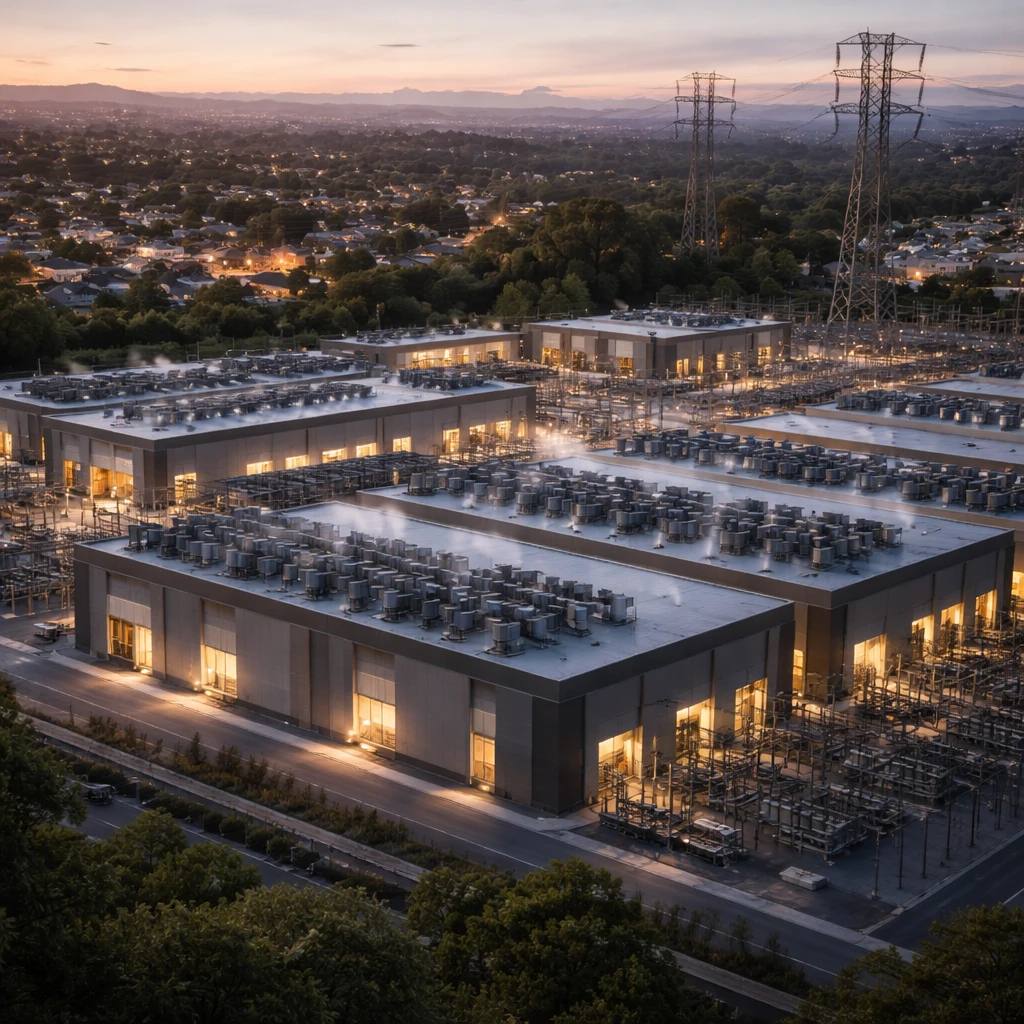
Seven prominent technology companies have agreed to a pledge aimed at tackling voter worries that the growth of artificial intelligence infrastructure could lead to higher electricity bills for consumers. The participants named in the initiative are Google, Microsoft (NASDAQ:MSFT), Meta (NASDAQ:META), Oracle (NYSE:ORCL), xAI, OpenAI and Amazon (NASDAQ:AMZN).
The pledge, as described by organizers, is designed to ease public concern about the potential effect of power-hungry AI data centers on local electricity systems. Companies taking part are expected to outline commitments focused on improving energy efficiency within their data center operations and on obtaining dedicated power sources to serve those facilities.
The seven firms represent major players in the AI sector and either operate or plan significant data center capacity to run their artificial intelligence products and services. Local communities have raised questions about how such power-intensive operations might affect electrical grids and translate into higher utility costs for residential and commercial customers.
Under the anticipated terms of the agreement, signatories will direct efforts toward two primary objectives. First, they will pursue improvements in energy efficiency across data center operations, which is intended to limit the overall electricity draw of their facilities. Second, they will work to secure dedicated power supplies for data centers, a measure intended to reduce reliance on the same electrical infrastructure that serves nearby homes and businesses.
Proponents of the pledge say these steps could help minimize the burden on existing electrical infrastructure used by both residential and commercial customers. The language around the agreement indicates it is an expected set of commitments rather than a detailed, binding contract with prescriptive measures spelled out in public detail.
Context limitations - The available information describes the scope of the pledge and the companies involved, but it does not provide detailed terms, timelines, or specific technologies and targets for implementation. The public statements referenced focus on the intent to address concerns about grid strain and consumer utility costs rather than disclosing precise execution plans.