
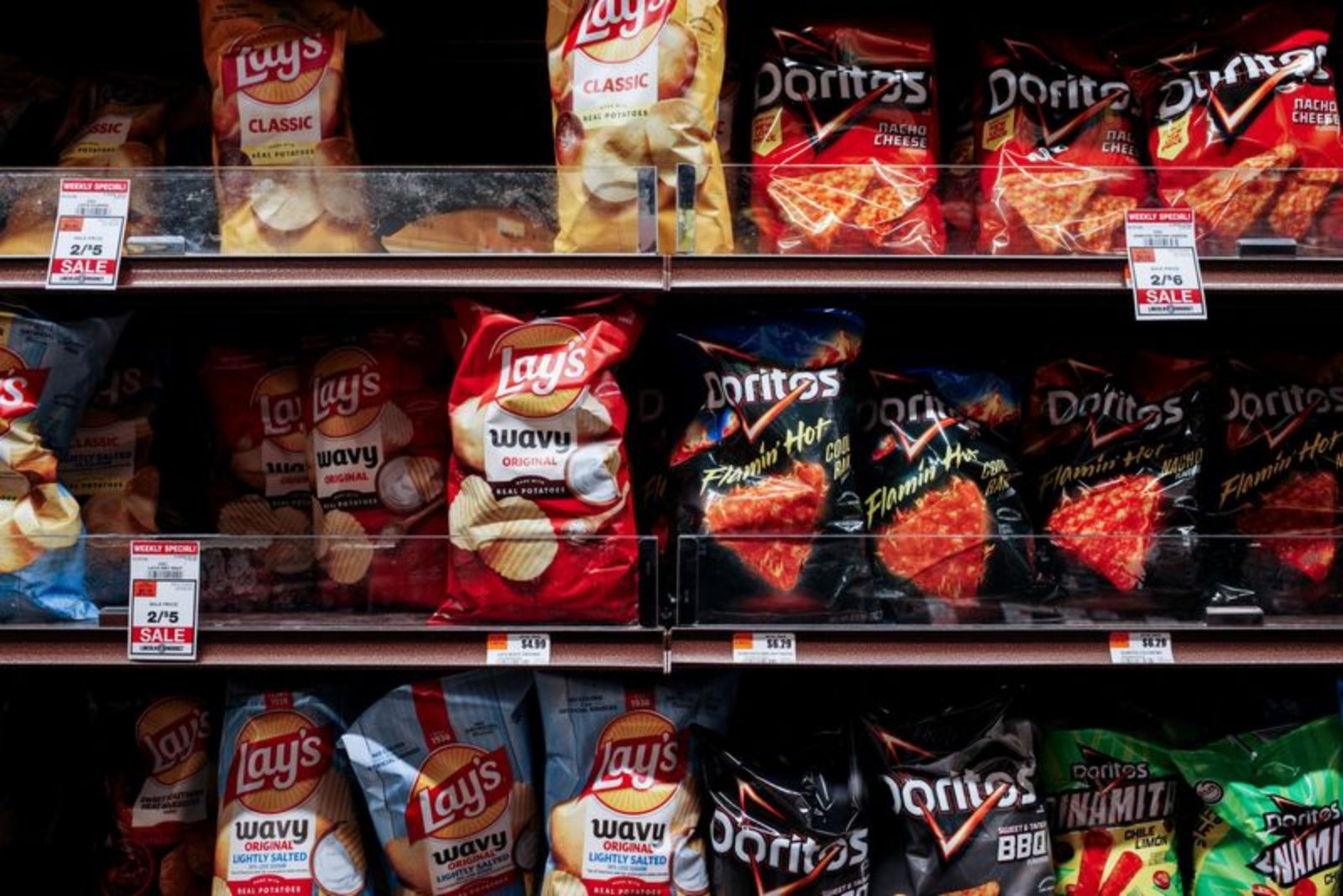
Global food and beverage companies are altering product design and distribution strategies in response to a rapid uptick in use of GLP-1 class drugs that reduce appetite. Manufacturers that had adopted a cautious stance are now moving decisively to rework ingredient lists, shrink pack sizes and direct R&D toward more nutrient-dense offerings as they anticipate a sustained shift in how many Americans eat.
Industry attention to GLP-1 drugs has surged. According to LSEG data, almost three dozen companies outside the healthcare sector have referenced GLP-1 medicines or weight loss on earnings calls so far this year, compared with 14 during the same span a year ago and just five two years prior. EY-Parthenon has estimated that dietary changes tied to GLP-1 drug use could reduce snack sales by as much as $12 billion over the next decade.
Adoption of GLP-1 treatments has accelerated quickly. PwC analysis indicates usage more than doubled in the 12 months to December, and that roughly 20% of U.S. households now include at least one user. The same PwC study, drawing on Numerator consumer insights, found that GLP-1 users on average consume 40% fewer calories: dessert intake is down 84%, alcohol consumption down 33%, and fresh produce purchases have risen by more than 70%. PwC also reported family grocery baskets shrinking by 4% to 6%, while single-person households experienced declines as large as 9%.
Corporate responses: reformulation, smaller packs and higher investment
Food and beverage companies are translating these behavioral shifts into concrete product and capital decisions. PepsiCo has rolled out a line called "Simply NKD," aiming to remove artificial colors and flavors from products including Lay’s and Gatorade and to offer smaller portion sizes. On a post-earnings call, PepsiCo CEO Ramon Laguarta said, "I think there are more opportunities than threats, but there are both," a comment underscoring a dual recognition of risk and potential.
Coca-Cola has moved to expand production of its protein-infused Fairlife milk to meet growing demand, and the company’s incoming chief asked for faster innovation on his initial analyst call as CEO-elect. Kraft Heinz’s new CEO abandoned a planned corporate split and instead unveiled $600 million in investments this year aimed at reviving long-neglected staples, including the Oscar Mayer meat and cold cuts business.
General Mills has also responded on the product front, launching a higher-protein Cheerios in December 2024 as the company confronts competitive pressures in the breakfast category. LSEG data show capital expenditure for many large food companies is likely to rise this year, with General Mills’ spending projected to increase by as much as 23%.
R&D and product strategy: protein, fiber and portion control
Conagra Brands is directing investment toward snacks such as Slim Jim meat sticks, and nuts and seeds, and warned about growing consumer demand for protein-forward, portion-controlled and nutrient-dense items—particularly among Gen Z and millennial cohorts. "There’s not anyone out there that’s not designing, putting R&D dollars against this trend," said Peter Mangan, managing director at Portage Point Partners, reflecting widespread industry repositioning.
Smaller companies are adapting as well. Snap Kitchen, a private meal-prep business serving roughly 35,000 customers annually, expanded its menu to include items with higher fiber, lean-protein density and ingredients associated with satiety, according to CEO Mitchell Raisch. Raisch stated, "The GLP-1 opportunity has sharpened our focus and accelerated our pipeline." Peter ter Kulve, CEO of Magnum Ice Cream, observed that GLP-1 users still consume treats but exhibit "a stark reduction of mindless munching and binge eating." These comments highlight nuanced changes in consumption rather than complete elimination of indulgence.
Market implications and outlook from executives and analysts
Company executives and consultants expect the influence of GLP-1 and other anti-obesity drugs to be lasting. At the Consumer Analyst Group of New York conference, General Mills CEO Jeffrey Harmening said the firm "expects GLP-1 and other anti-obesity drugs to have a lasting influence in the food and nutrition landscape, nudging some consumers towards smaller portions and more nutrient-dense protein and fiber-forward foods." Ali Furman, PwC’s U.S. consumer markets leader, cautioned that these changes represent only the beginning of a broader physiological disruption whose ripple effects are still emerging: "We’re just starting to scratch the surface on the ripple effects of this type of physiological disruption."
The combination of reduced per-person calorie intake, shifts away from desserts and alcohol, and larger purchases of fresh produce point to structural changes in demand that are already shaping product roadmaps, manufacturing throughput and inventory decisions across the sector. Companies are responding with higher capital expenditure, intensified R&D allocation and altered product mixes geared toward nutrient density and portion control.
Summary
As prescription appetite suppressants become more widely used, major food and beverage firms are reformulating items, shrinking portions and reallocating R&D spending to foods higher in protein and fiber. These moves are driven by measurable shifts in consumption patterns documented by industry data and company reporting, and they are prompting increased capital expenditures and product innovation across large and small companies.