
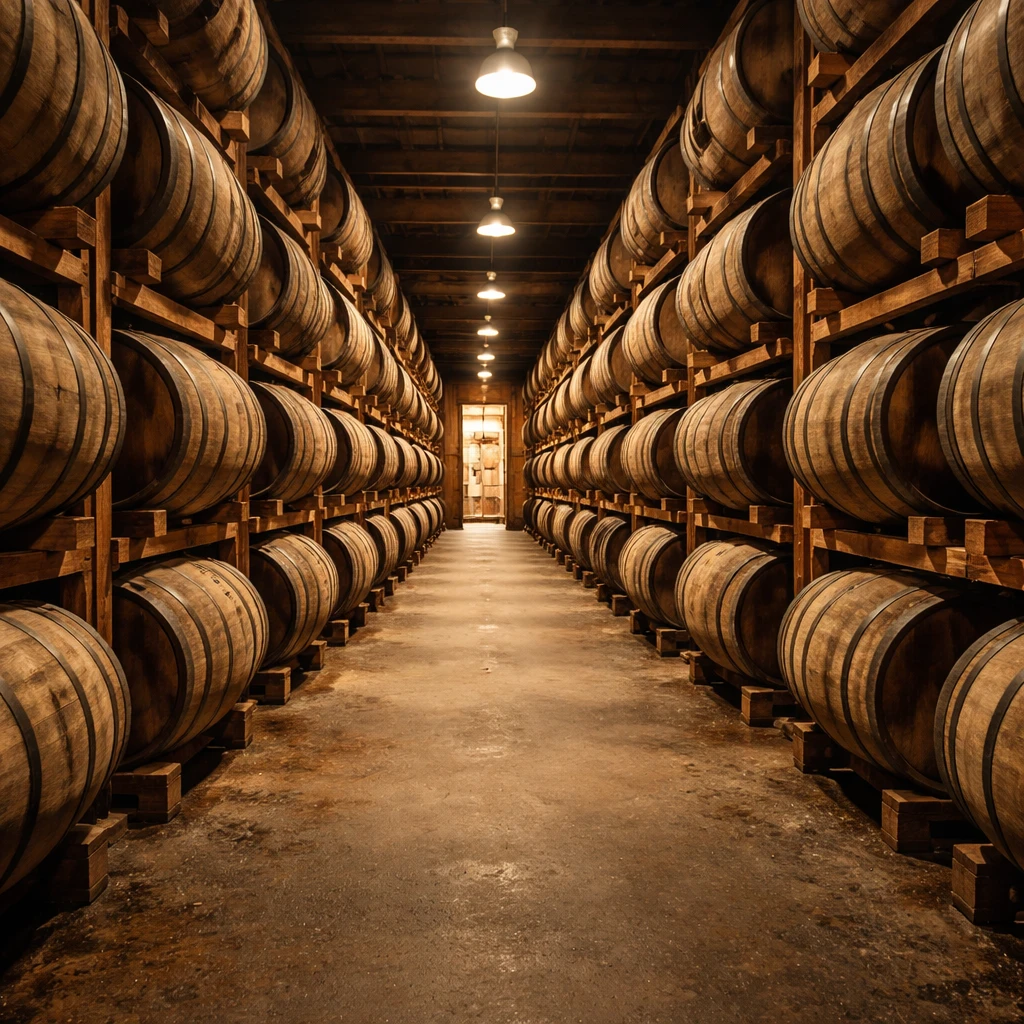
Bernstein has moved Brown-Forman to a Market-Perform rating from Outperform, pointing to rising costs associated with barreled whiskey that it expects will apply downward pressure to margins through fiscal 2027 and 2028. The firm set a $29 price target and said the stock may trade sideways in the near term.
Analysts at Bernstein said the decision follows additional detail released in Brown-Forman’s recent earnings report showing that higher-cost barrels will work their way through inventory for longer than previously assumed. The brokerage now models roughly 105 basis points of annual gross margin compression in both fiscal 2027 and fiscal 2028 as a result of that inventory cost dynamic.
That revised margin outlook drove reductions in Bernstein’s earnings forecasts. The firm trimmed its fiscal 2027 earnings estimate by about 4.3% and its fiscal 2028 estimate by about 8.7%. With those cuts, Bernstein now anticipates little to no earnings growth in fiscal 2027 and roughly 4.5% earnings growth in fiscal 2028.
In addition to adjusting earnings, Bernstein lowered its valuation multiple and reduced its target price by about 23%. The brokerage emphasized that the downgrade stems from margin and valuation considerations rather than from demand-side concerns. Bernstein explicitly said the move is not tied to fears about either consumer demand or industry pricing trends.
On the demand and supply side, Bernstein noted that Brown-Forman’s flagship, Jack Daniel’s, along with competitor Jim Beam, continue to register positive pricing in the U.S. Meanwhile, U.S. whiskey production has fallen by roughly 27% from a year earlier, which Bernstein interpreted as producers responding to supply conditions. The firm also said Brown-Forman continues to gain share in the U.S. market and that its revenue forecasts remain largely unchanged despite the margin pressure.
Despite the downgrade and lower earnings trajectory, Bernstein pointed out several cash-oriented metrics that still make the stock look appealing on a valuation basis. The brokerage highlighted a free cash flow yield of roughly 6% and a dividend yield of about 3%, supported by leverage of about 2 times net debt to EBITDA.
Context and implications - The primary driver behind Bernstein’s rating change is the rising cost of aging barreled whiskey and its impact on gross margins over the next two fiscal years. The adjustments to earnings and valuation reflect that margin outlook, while revenue expectations were left essentially intact. Bernstein’s note separated margin-driven concerns from questions about consumer demand or pricing in the spirits market.
The brokerage’s view suggests a period of constrained profitability as higher-cost inventory is realized, even as Brown-Forman maintains market share momentum and steady revenue projections.