
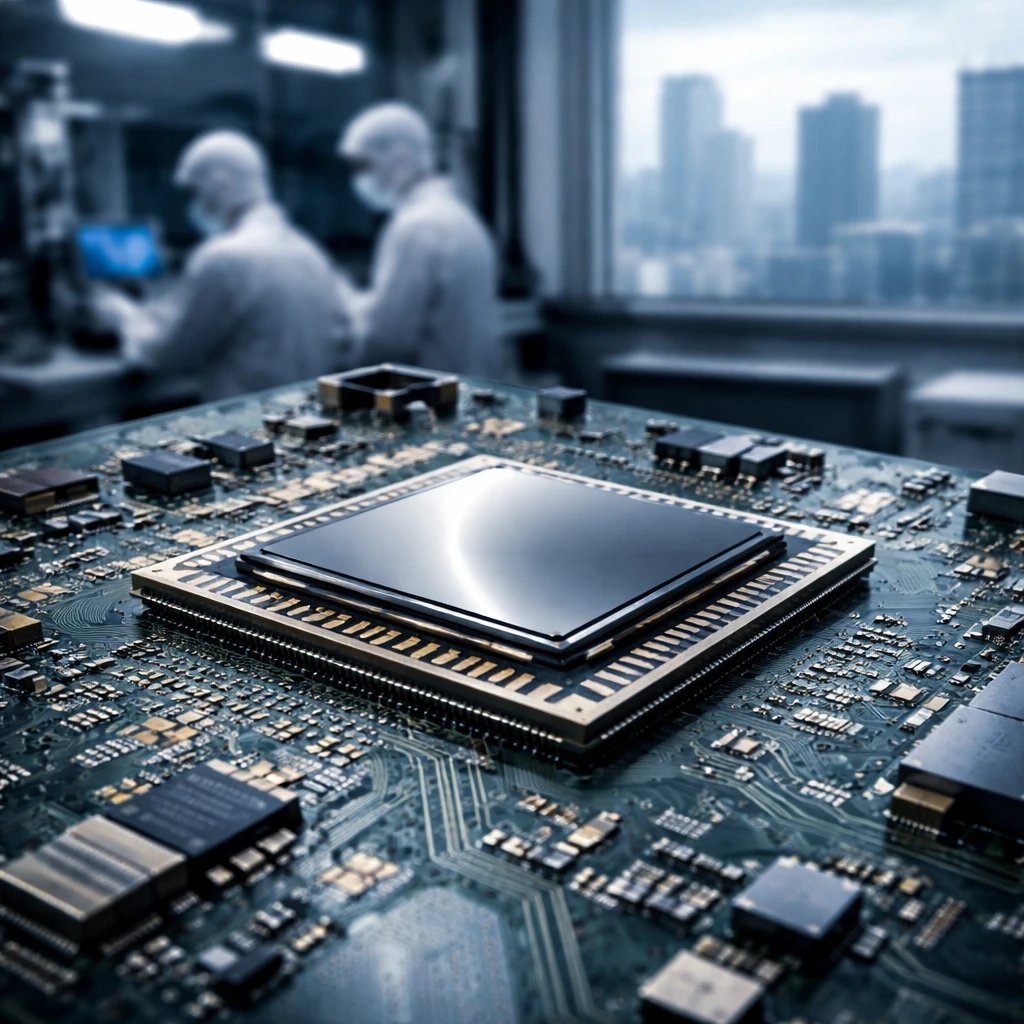
Beijing has authorized several Chinese companies to buy Nvidia's H200 artificial intelligence chip, according to a person familiar with the matter. The move comes shortly after Nvidia's chief executive said the company had resumed production of the H200 specifically for Chinese markets and that purchase orders from multiple local firms had been received.
The H200 represents the highest-performance Nvidia processor that the company is currently allowed to sell in China under the framework of new U.S. regulations. Those rules previously cleared the chip for sale in China, with an approval granted in late-2025 by the U.S. administration referenced in reporting on the matter.
Nvidia has confronted increasing headwinds surrounding its China business. Opposition from lawmakers in the United States and a parallel push by Chinese authorities to favor domestically produced AI chips have created a challenging commercial environment for foreign suppliers. These policy dynamics have been cited as constraints on market access and as factors contributing to uncertainty over sales volumes and market share.
In addition to restarting H200 production for China and securing local purchase orders, Nvidia has been reported to be working on new AI chips with Groq, the startup the company recently acquired. Those development efforts are aimed at the Chinese market, according to the reporting.
For stakeholders tracking semiconductor supply, hardware OEMs, and cloud and AI service providers, the approval for H200 purchases in China is a consequential development while still appearing within a complex regulatory and competitive landscape. The available details indicate regulatory clearance for the H200 and active commercial interest from Chinese buyers, but they do not quantify the size or timing of shipments beyond the company statements that prompted production to resume.
Key points
- Beijing approved purchases of Nvidia's H200 chip by several Chinese companies - impact felt across semiconductors and AI hardware sectors.
- Nvidia has resumed H200 production for China and said it received purchase orders from multiple local firms - relevant to supply chain and manufacturing activity.
- The H200 is the most advanced Nvidia chip allowed for sale in China under recent U.S. regulations; Nvidia is also developing chips with its recently acquired startup Groq for the Chinese market.
Risks and uncertainties
- Policy resistance from U.S. lawmakers could constrain future sales or prompt further regulatory action - affecting the semiconductor and broader technology sectors.
- China's efforts to promote domestic AI chips create competitive pressure that could limit foreign vendors' market share - a risk for hardware suppliers and international semiconductor firms.
- Details on shipment volumes and timing remain unspecified in available information, leaving commercial outcomes uncertain for suppliers and buyers in the AI infrastructure market.