
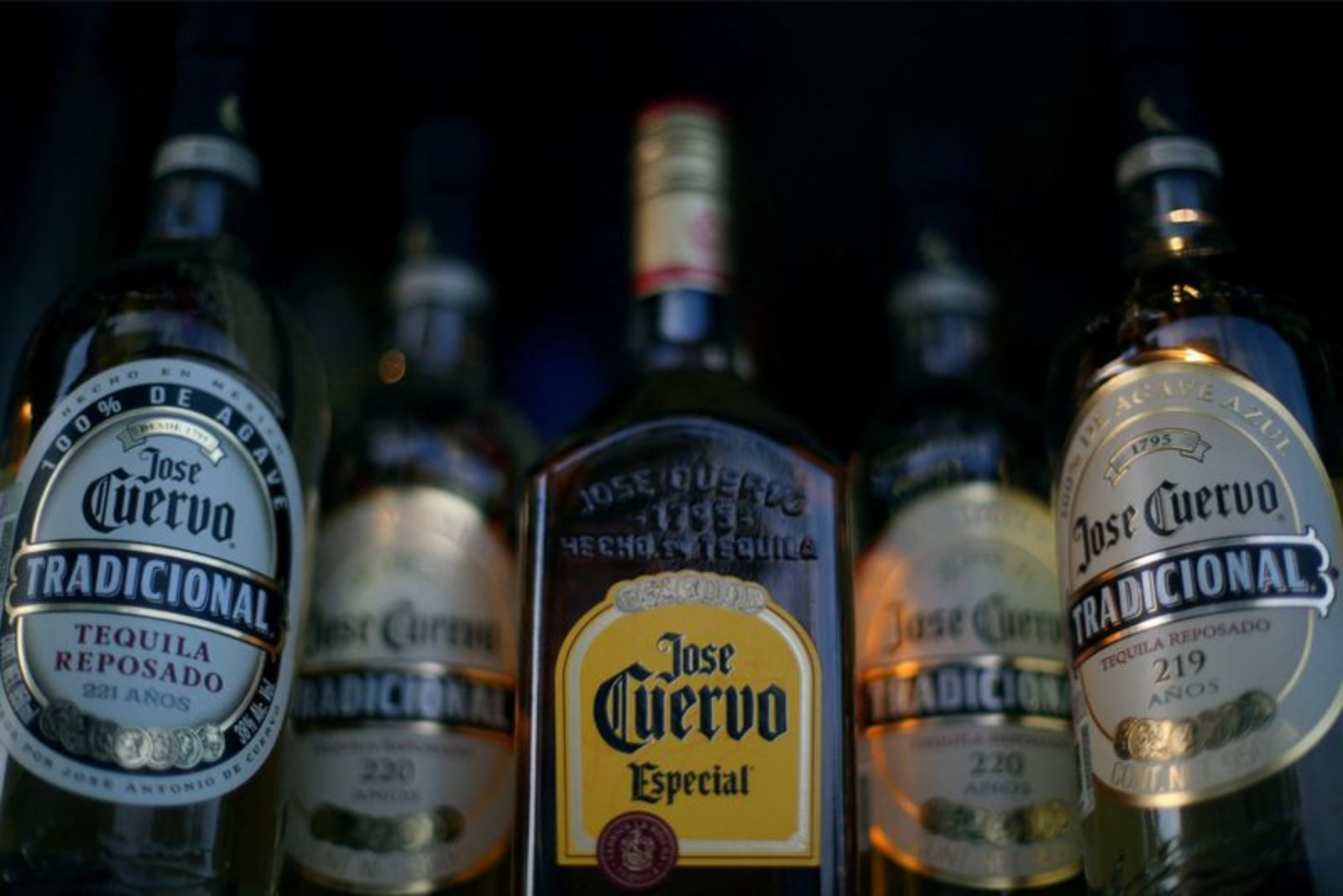
Becle, the Mexican distiller that owns the Jose Cuervo family of tequilas and other spirits, said it expects 2026 to be a difficult year as it reshapes its distribution footprint in the United States amid falling hard-liquor demand and an uncertain trade environment.
The company confirmed that it concluded its distribution partnership with leading U.S. drinks wholesaler Republic National Distributing Company, known as RNDC, in February. RNDC had pulled out of California in a disorderly exit late last year, an event that contributed to the urgency of Becle's reorganisation.
Executives said the priority now is to establish new U.S. partnerships quickly, with the intention that the new arrangements will leave Becle on firmer ground beyond 2026. Rodrigo de la Maza, the chief financial officer, described the coming year as a period of transition and warned analysts that changes of this scope typically require time to stabilise.
"This will be a transition year," de la Maza said. "Changes of this scale take time to fully stabilise and may create temporary disruptions, shipping volatility, inventory realignment and added complexity." He said the disruptive effects of the restructuring should be concentrated in the first half of 2026.
Becle's management foresees U.S. growth beginning to return in 2027. For fiscal 2026 the company forecast a decline in its net sales value in the low single digits when excluding foreign-exchange effects. It also expects restructuring and related spending to total roughly $90 million to $110 million, down from the $130 million it had set aside for 2025.
The warning followed a weak finish to 2025. Lower sales across Becle's main North American markets pulled the company's top line down 14% in the final quarter of 2025, a slide that deepened a fall in net profit that was also affected by a higher tax rate. Earnings fell short of analysts' expectations. Becle's shares dropped as much as 5% in morning trading before recovering somewhat, and the stock remains down about 16% since January 1.
Market analysts and industry groups point to a broader slowdown in tequila and spirits demand in the United States as consumers alter drinking habits. Scotiabank analyst Felipe Ucros called the most recent quarter "a quarter to forget by most measures, and the start of 2026 doesn't look too bright either," citing a stagnant U.S. tequila market.
Industry representatives have linked the change in consumption patterns to several factors cited by the company and analysts: tighter household budgets, a shift toward healthier alternatives, and legal marijuana purchases. Becle said Canadian consumers have also shown a preference for domestically produced spirits in the wake of last year's U.S. tariff threats.
While tequila itself is generally exempt from U.S. tariffs under the U.S.-Mexico-Canada free trade pact, which is due for review this year, intermittent trade threats have still affected the sector, particularly smaller suppliers. Trade association figures cited by the company show that the U.S. imported 26% less tequila in the first nine months of 2025 compared with the same portion of 2024, and that imports of spirits overall fell 17%.
For the full year 2025 Becle's sales in the United States and Canada declined 4%. Sales improved in markets outside North America - which typically account for just under one-fifth of the group's revenue - but those gains were insufficient to offset losses in its larger North American markets. In addition, a stronger Mexican peso reduced the dollar value of Becle's foreign-currency earnings.
Despite the decline in sales, company executives said they managed to raise profit margins and avoided cutting prices as aggressively as some competitors.
De la Maza told analysts that, although the spirits sector remains weak, Becle is outperforming the market and should continue to benefit from lower agave costs, albeit to a lesser degree than in 2025. He also addressed recent unrest in Jalisco - the region where tequila is produced - after the death of Mexico's most-wanted cartel kingpin in a military operation, saying Becle's operations were unaffected and that the company did not expect disruptions.
Is BCCLF a bargain right now? The fastest way to find out is with our Fair Value calculator. We use a mix of 17 proven industry valuation models for maximum accuracy. Get the bottom line for BCCLF plus thousands of other stocks and find your next hidden gem with massive upside.
Summary
Becle is restructuring its U.S. distribution arrangements following the end of its partnership with RNDC and expects temporary operational disruptions and weaker sales in 2026. The company forecasts a low-single-digit decline in net sales value excluding currency effects and plans lower restructuring spending compared with 2025. Management expects U.S. growth to resume in 2027 and says operations should benefit from lower agave costs, while recent security events in Jalisco have not affected production.
Key points
- Becle ended its distribution partnership with RNDC in February and is prioritising new U.S. partnerships to stabilise distribution networks.
- The company expects net sales value in 2026 to fall in the low single digits excluding foreign-exchange impacts, with restructuring spend of $90 million to $110 million.
- Declining demand in North America pressured results in late 2025, and U.S. growth is projected to resume in 2027.
Risks and uncertainties
- Operational and logistical disruptions from the U.S. distribution restructuring could cause shipping volatility, inventory realignment and added complexity - affecting the beverage and logistics sectors.
- Continued weak consumer demand for spirits in North America, influenced by changing spending habits and alternatives such as legal marijuana, could further depress sales - impacting the consumer staples and retail sectors.
- Trade tensions and occasional tariff threats, and shifts in currency values such as a stronger peso, can reduce the dollar value of foreign sales and add uncertainty for exporters in the beverage and trade-exposed manufacturing sectors.