
Stock Markets February 12, 2026

BAT Says U.S. Ban on Some Disposable Vapes Could Slash Unregulated Market by a Third

Company forecasts a significant reduction in illegal e-cigarette sales if import restrictions clear legal and presidential reviews, but widespread effect may be delayed

By Jordan Park
BAT Says U.S. Ban on Some Disposable Vapes Could Slash Unregulated Market by a Third

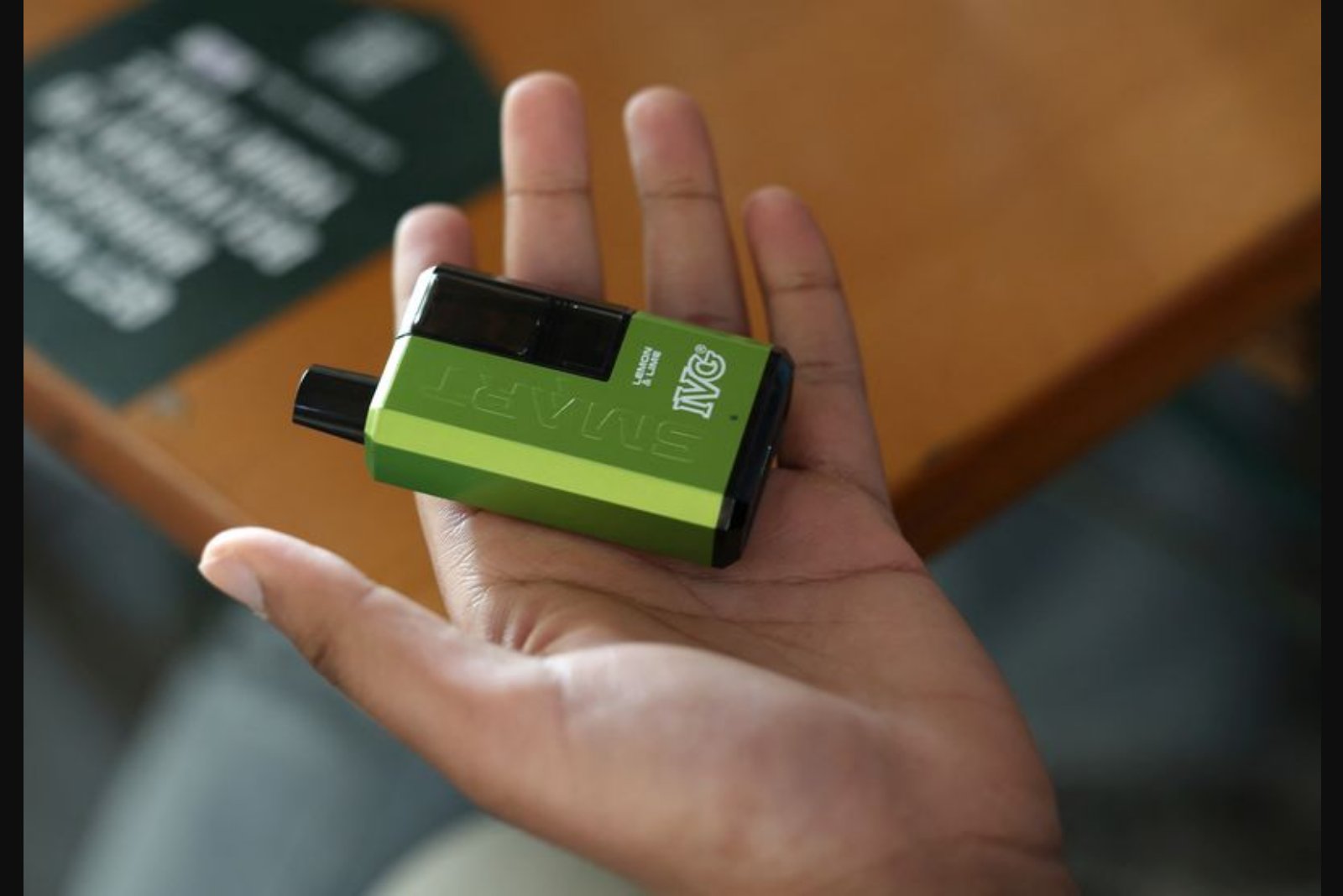
British American Tobacco (BAT) says a U.S. move to bar imports of certain disposable, predominantly unregulated vapes could reduce the illegal segments of the market by roughly one-third, though any meaningful supply impact is likely to be delayed by long supply chains and large inventories. The company has active cases at the U.S. International Trade Commission (ITC) and expects a full ITC determination in March followed by a 60-day presidential review. BAT also flagged the possibility of a new Food and Drug Administration (FDA) programme testing alternative regulatory approaches to vaping products.

Key Points

  • BAT estimates unregulated disposable vapes account for about 70% of U.S. e-cigarette sales, pressuring both its vape and traditional tobacco businesses - sectors affected include tobacco manufacturing and retail.
  • BAT has two active cases at the U.S. International Trade Commission and expects a full ITC determination in March, followed by a 60-day presidential review - legal and trade sectors are directly engaged.
  • If imports are blocked, BAT projects the unregulated segment could fall to below 50% of industry sales, a reduction of roughly one-third, but precise scale is uncertain - market participants and investors in nicotine product manufacturers and importers are impacted.

British American Tobacco (BAT) has told investors that a prospective U.S. restriction on imports of some disposable e-cigarettes could materially shrink the unregulated portion of the market, but cautioned that effects on sales are not imminent.

BAT estimates that products without U.S. authorisation - many of them imported from China - account for about 70% of e-cigarette sales in the United States. The company says these unregulated devices have affected both its vaping and conventional tobacco businesses.

To counter the influx, BAT has pursued legal remedies. The company currently has two active cases at the U.S. International Trade Commission seeking to block imports of devices it regards as unregulated and infringing its patents. An ITC judge ruled in BAT's favour in a patent dispute last year and recommended a general exclusion order that would prevent certain disposable vapes deemed to infringe BAT patents from entering the U.S. market.

BAT stated with its annual results that it expects the ITC to issue a full determination in March, which would be followed by a 60-day presidential review period. The company’s chief executive, Tadeu Marroco, said such an import block could reduce the unregulated share of the U.S. e-cigarette market to below 50% of industry sales - effectively cutting that segment by roughly one-third - though he noted the precise scale was difficult to predict.

Marroco also warned that a long U.S. supply chain for these devices and large inventories held by distributors and retailers would slow any immediate change in availability. "So even if you get the support from the ITC ... it will not be until early next year that you have a material impact on that," he said, underscoring the lag between legal wins and market outcomes. Separately, the firm indicated it believes broader impact on the market is unlikely before 2027.

Beyond trade remedies, BAT signalled it would not be surprised to see regulatory experimentation from the U.S. Food and Drug Administration. Marroco suggested the FDA could launch a programme testing alternative approaches to vape regulation, potentially including pilot schemes for flavoured products, as the agency seeks to accelerate or streamline its review processes after a period of rejecting most applications for new nicotine products.


Contextual note: The company framed its legal actions and expectations about regulatory change as part of an effort to curb a large unregulated segment of the U.S. vaping market. The timing and magnitude of any market shift will depend on the upcoming ITC determination, the presidential review, the reaction of supply chains and inventories, and any FDA initiatives.

Risks

  • Supply chain and inventory risk - long distribution chains and large on-hand inventories of disposable vapes could delay any reduction in availability, slowing the market impact; this affects retail and wholesale sectors.
  • Legal and political uncertainty - the ITC determination and the subsequent 60-day presidential review introduce timing and outcome risks that could alter or delay enforcement and therefore market effects; this impacts legal, trade, and regulatory-facing businesses.
  • Regulatory evolution risk - potential new FDA programmes or changes in review processes for nicotine products could shift marketplace dynamics in ways that are not yet defined, creating uncertainty for manufacturers, regulators, and investors.

More from Stock Markets

Chinese AI Stocks Rally as Investors Embrace Winners While U.S. Markets Worry Feb 21, 2026 Three Earnings Reports This Week Will Test the Durability of the AI Investment Theme Feb 21, 2026 Moscow Market Closes Flat as Select Large-Caps Offset Losses Feb 21, 2026 Honeywell Reconsiders Purchase of Johnson Matthey Catalyst Unit as Closing Obstacles Emerge Feb 21, 2026 Indigenous Occupation Halts Operations at Cargill’s Santarem Terminal Feb 21, 2026