
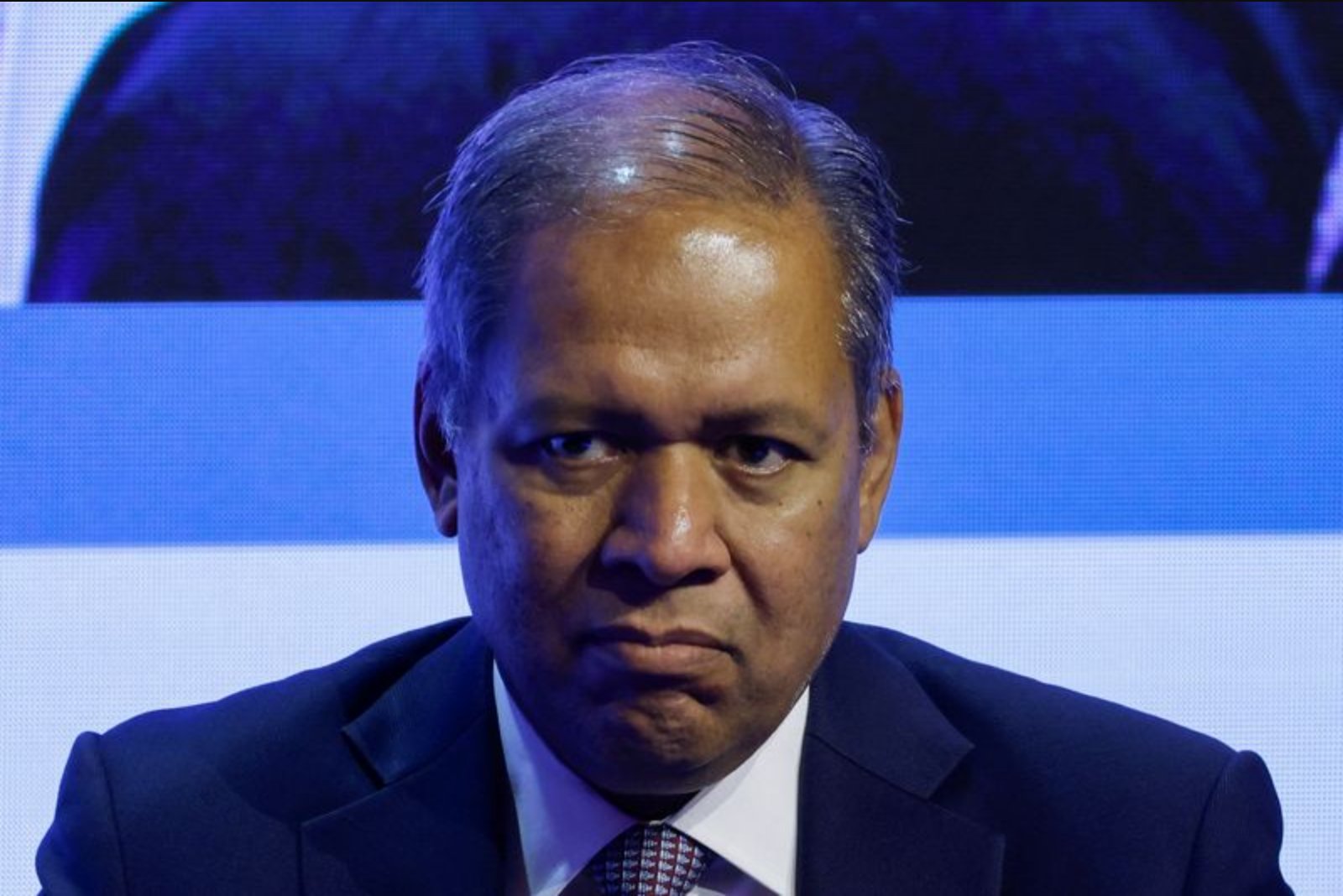
Barclays has set the total pay package for chief executive C.S. Venkatakrishnan at 15 million pounds for 2025, up from 11.6 million pounds in the prior year, the bank said on Tuesday. The rise in total remuneration follows higher bonus payouts across the British banking sector.
The bank reduced the CEO’s fixed salary component but increased his variable remuneration, with bonuses and other variable pay climbing to 12.7 million pounds compared with 8.5 million in 2024. Internally he is referred to as Venkat.
Barclays, which is based in London, is among a group of European lenders that have seen profits and share prices strengthen over the past two years. That improvement in financial performance has coincided with greater bonus awards to senior executives who meet key performance measures.
In its 2025 results, the lender disclosed that the total bonus pool for employees rose 15% to 2.2 billion pounds. The bank also provided a currency conversion reference of $1 = 0.7316 pounds.
Context on investment tools mentioned
The bank update included a reference to an investment research product, ProPicks AI, which evaluates stocks including Barclays using more than 100 financial metrics. The product description states it applies AI to generate stock ideas based on fundamentals, momentum, and valuation without bias. The write-up cites past notable winners highlighted by the product, naming Super Micro Computer with a gain of +185% and AppLovin with a gain of +157%.
The promotional text accompanying that research offering asks whether Barclays (BARC) is currently featured in any ProPicks AI strategies and suggests the tool can compare the stock to other opportunities in the same sector.
What the figures show
- Total CEO pay for 2025: 15 million pounds, up from 11.6 million pounds a year earlier.
- Variable pay for the CEO (including bonuses): 12.7 million pounds in 2025 versus 8.5 million in 2024.
- Group staff bonus pool: up 15% to 2.2 billion pounds in 2025.
- Currency reference included: $1 = 0.7316 pounds.
The report does not provide further detail on the specific performance targets that drove the increased variable pay nor on how the split between fixed and variable compensation will evolve beyond 2025.