
Bank of Singapore said on Thursday it has revised its stance on Asian equities excluding Japan, moving its allocation from Overweight to Neutral. The change reflects mounting energy-related risks tied to the ongoing U.S.-Israel conflict with Iran, the brokerage said.
The firm pointed to a growing chance of disruptions to oil transit via the Strait of Hormuz and a rise in incidents damaging energy infrastructure across the Middle East as the main drivers behind the decision. In its note, Bank of Singapore analysts warned that heightened uncertainty around oil prices is increasing downside risk for broader risk assets.
"Uncertainties around our baseline forecast for oil price have increased, translating to fatter left tail risks for risk asset prices," Bank of Singapore analysts wrote in a note.
Within the Asia ex-Japan region, the brokerage set out preferences and downgrades across markets. It said it prefers Hong Kong, China, and Singapore while lowering Malaysia to Neutral. The Philippines and Indonesia were downgraded further to Underweight.
Bank of Singapore emphasized that Asia ex-Japan is, as a whole, more reliant on imported oil than the U.S. and Europe. That reliance makes regional growth and corporate earnings more sensitive to swings in oil prices, the analysts said.
The note also addressed policy implications if the conflict in the Middle East persists. In a prolonged scenario, Asian central banks would likely find it harder to ease monetary policy by cutting interest rates to support growth. The U.S. Federal Reserve could face comparable pressures, which would strengthen the dollar and place additional downward pressure on Asian equity valuations, the analysts added.
The bank discussed China specifically, noting that although the country imported a substantial share of its oil through the Strait of Hormuz, its large oil reserves provide some insulation from immediate supply shocks. Bank of Singapore also pointed to China's lower dependence on oil and gas for electricity generation and its shift toward electric vehicles as factors that reduce near-term vulnerability to disruptions.
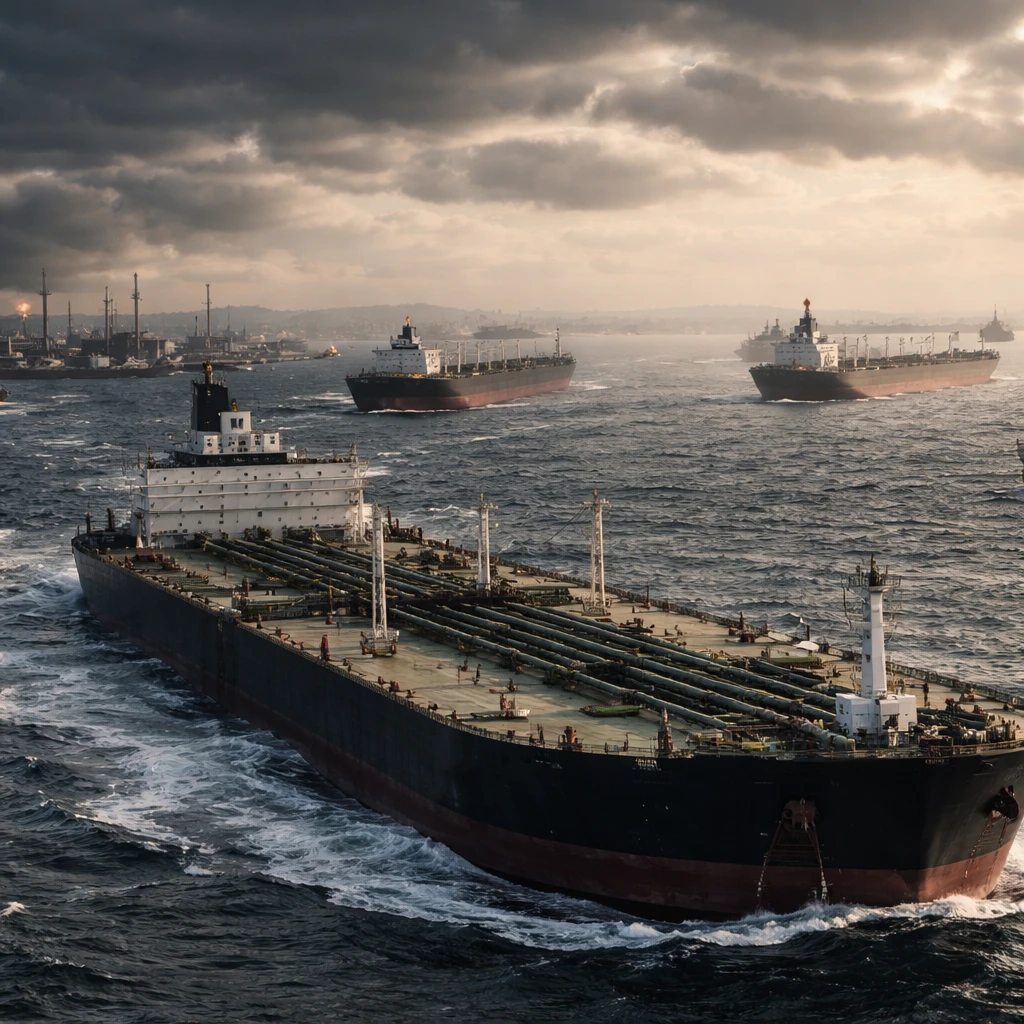
Recent market moves have reflected these concerns. Oil prices rose to levels last seen at the start of the Russia-Ukraine war in 2022 as the U.S., Israel, and Iran exchanged a series of attacks since late-February. The conflict escalated last week after attacks on energy infrastructure in Iran and surrounding countries, followed by Tehran initiating a blockade of the Strait of Hormuz, a vital shipping lane for oil bound for Asia.
The bank's repositioning reflects an assessment that energy-market volatility and infrastructure risks could widen downside scenarios for asset prices in Asia ex-Japan, prompting a more cautious regional allocation until uncertainty around oil supply and pricing recedes.
Key points
- Bank of Singapore downgraded Asia ex-Japan equities from Overweight to Neutral due to increased energy risks linked to the U.S.-Israel conflict with Iran.
- The brokerage prefers Hong Kong, China, and Singapore, while downgrading Malaysia to Neutral and the Philippines and Indonesia to Underweight.
- Heightened oil-price uncertainty raises downside risk for growth, corporate profits, and equity valuations across energy-dependent Asian markets.
Risks and uncertainties
- Disruption to oil transit through the Strait of Hormuz could tighten oil supplies and push prices higher, affecting energy and energy-intensive sectors.
- Damage to energy infrastructure in the Middle East could prolong supply shocks and amplify market volatility, pressuring regional equities.
- A prolonged conflict could limit policy flexibility for Asian central banks and the U.S. Federal Reserve, supporting a stronger dollar and weighing on Asian equity valuations.