
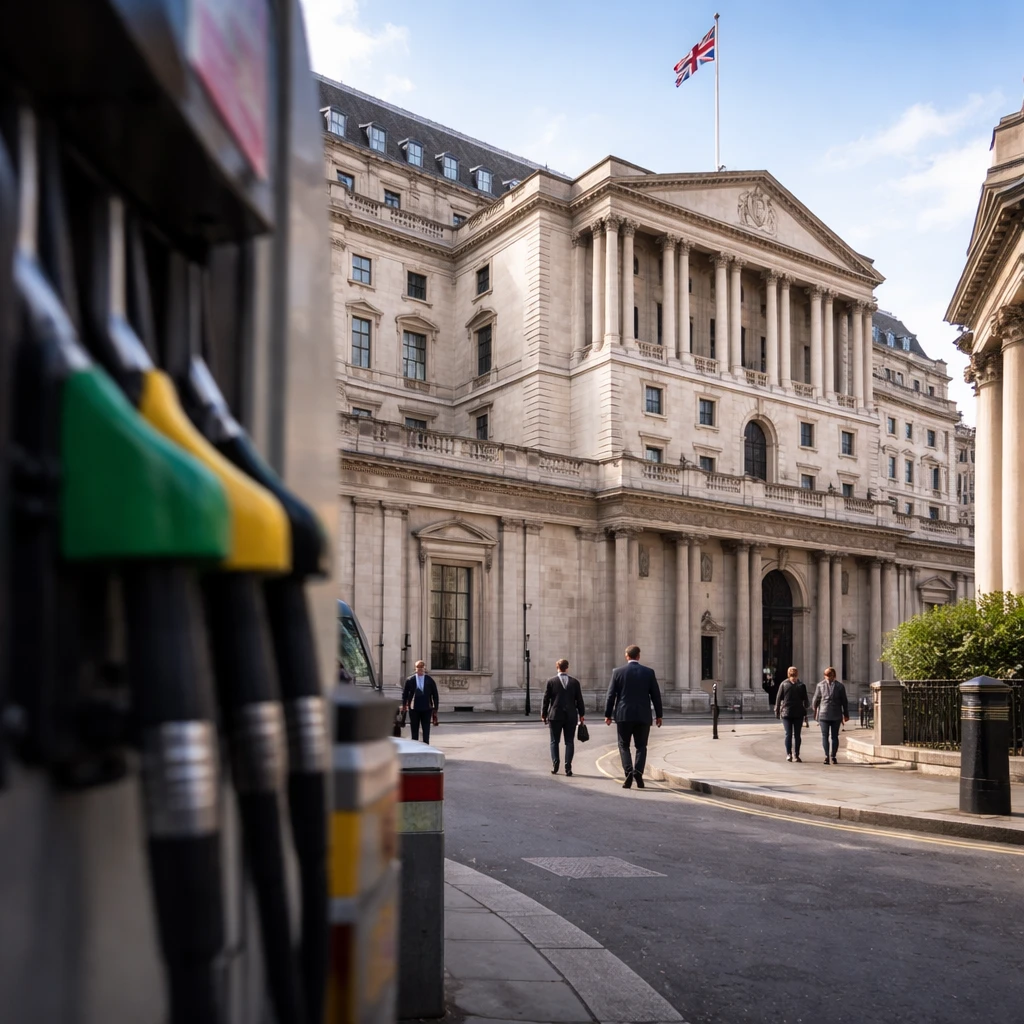
Bank of America has revised its view on the Bank of England's near-term policy moves, now forecasting that the central bank will keep its key interest rate at 3.75% at its March meeting instead of cutting it as previously expected. The bank cited a recent rise in energy prices as the principal reason for the change, saying that the shock to energy costs is likely to prompt the BoE to adopt a cautious stance until it can better assess the magnitude and persistence of the move.
In its updated assessment, Bank of America anticipates the rate decision will be decided by a 7-2 vote, while noting that a 6-3 split remains a material risk. The firm has pushed back its timeline for monetary easing: where it had earlier penciled in cuts in March and June, it now expects reductions in June and September.
Despite the delay, Bank of America still sees a conditional path to further cuts if the energy price shock proves to be relatively short-lived and does not materially elevate inflation expectations. The bank, however, describes its call for two cuts in June and September as low conviction, citing significant uncertainty regarding both inflation and the path of interest rates, which hinges on the eventual size and persistence of energy price movements.
Bank of America highlighted several factors that argue for looser policy over time: current rates are restrictive; disinflationary measures in the Budget are scheduled to take effect in April; wage growth is moderating; downside risks to growth exist; and the labour market shows signs of weakening. Still, the bank warned that these conditions could be outweighed if energy price pressures persist or intensify.
On timing, the firm said an earlier cut in April remains possible but conditional on energy price moves reversing by then. Conversely, the firm flagged risks for further delays and fewer cuts this year if the conflict driving energy prices is prolonged. Specifically, if energy price moves are sustained into the second quarter or grow larger with the conflict continuing, Bank of America indicated this would raise doubts about the BoE's ability to deliver two cuts this year, making a single cut more likely.
Looking further ahead, the bank noted that sustained higher energy prices into the second half of the year would likely mean no rate cuts in the calendar year, and in some scenarios could open the possibility of rate increases, though it added the threshold for hikes would probably be high.
Bank of America expects the Bank of England to maintain an easing bias in March but said overall uncertainty has risen. The firm also expects the central bank to underline that the bar for moving to hikes is high.
Regarding sterling, Bank of America observed that the rapid pace of recent geopolitical developments has the BoE on hold. The bank expressed skepticism that the March meeting will be a pivotal event for the pound given prevailing trends driven by moves in oil prices.