
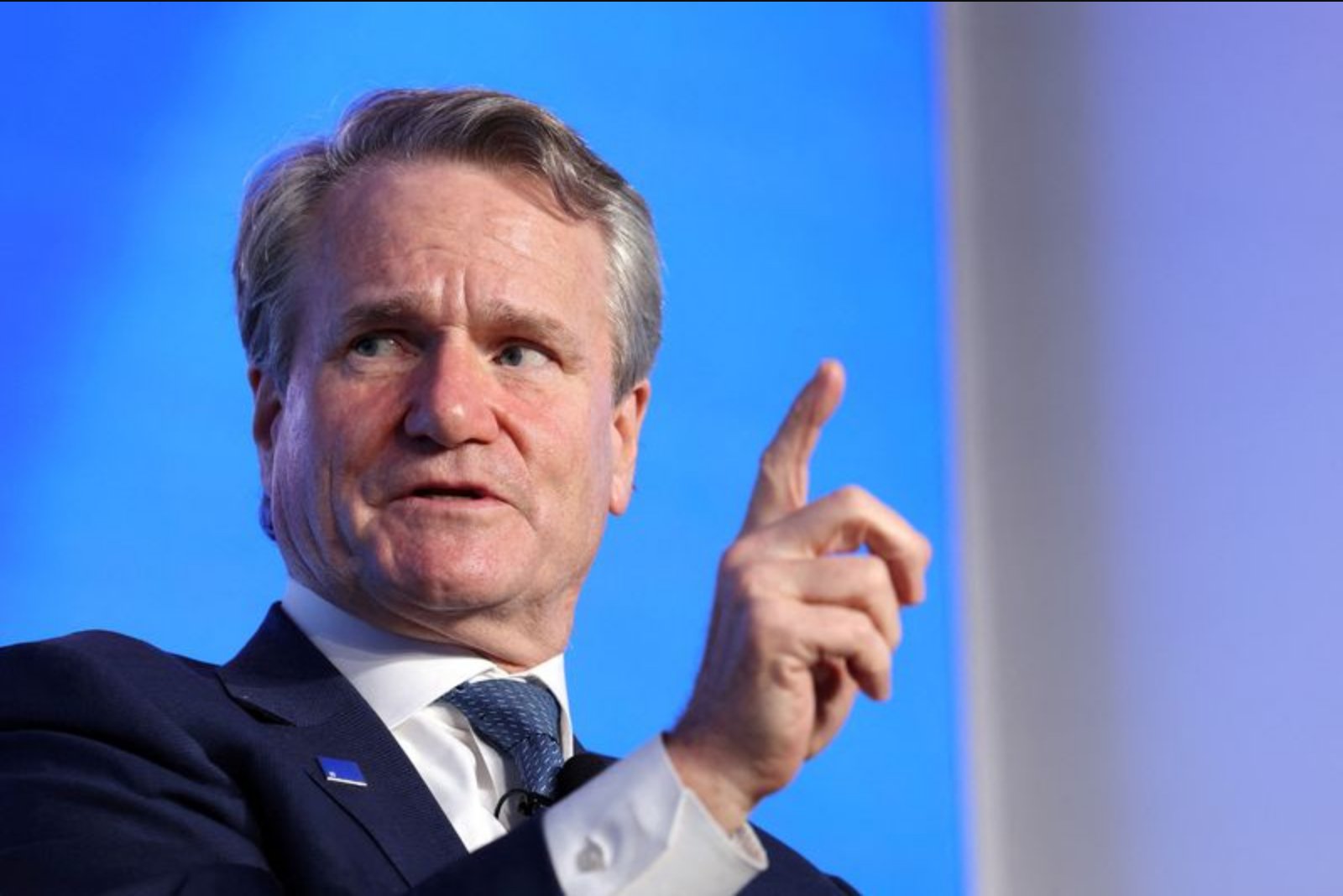
Bank of America has approved a total compensation package of $41 million for Chief Executive Officer Brian Moynihan for 2025, the bank said on Friday. The award represents an increase of more than 17.1% compared with the $35 million Moynihan received in 2024.
The bank detailed that the 2025 package includes $1.5 million in base salary, with the balance comprised of equity incentives. Moynihan, 65, is among the longest-serving executives in the industry. He became CEO in 2010 after a tumultuous succession process and has been credited internally with guiding the bank's recovery following the 2008 financial crisis.
The raise comes amid a broader pattern of upward adjustments in pay for top executives at large U.S. banks. The move follows similar increases for leaders at Wells Fargo, Citigroup, and JPMorgan Chase. The banking sector has been positioning itself for what is widely expected to be a bumper year for dealmaking, even as firms navigate an increasingly complex relationship with Washington.
This compensation decision highlights two primary elements disclosed by the bank: the fixed cash salary component and the substantially larger equity-linked incentives that make up the remainder of the award. The bank's statement emphasizes the composition of the package rather than operational metrics or performance targets tied to the award in the text provided.
Observers will note that the pace of executive pay adjustments at Bank of America mirrors moves at peer institutions as the industry anticipates heightened merger and acquisition activity. The announcement did not provide additional details on the vesting schedule or the precise structure of the equity incentives in the awarded package.
Context and implications
- Brian Moynihan's total compensation for 2025 is $41 million, up from $35 million in 2024.
- The package contains $1.5 million of base salary with the remainder in equity incentives.
- The rise in pay aligns with similar increases at Wells Fargo, Citigroup, and JPMorgan Chase as banks prepare for expected dealmaking while handling a more complex relationship with Washington.