
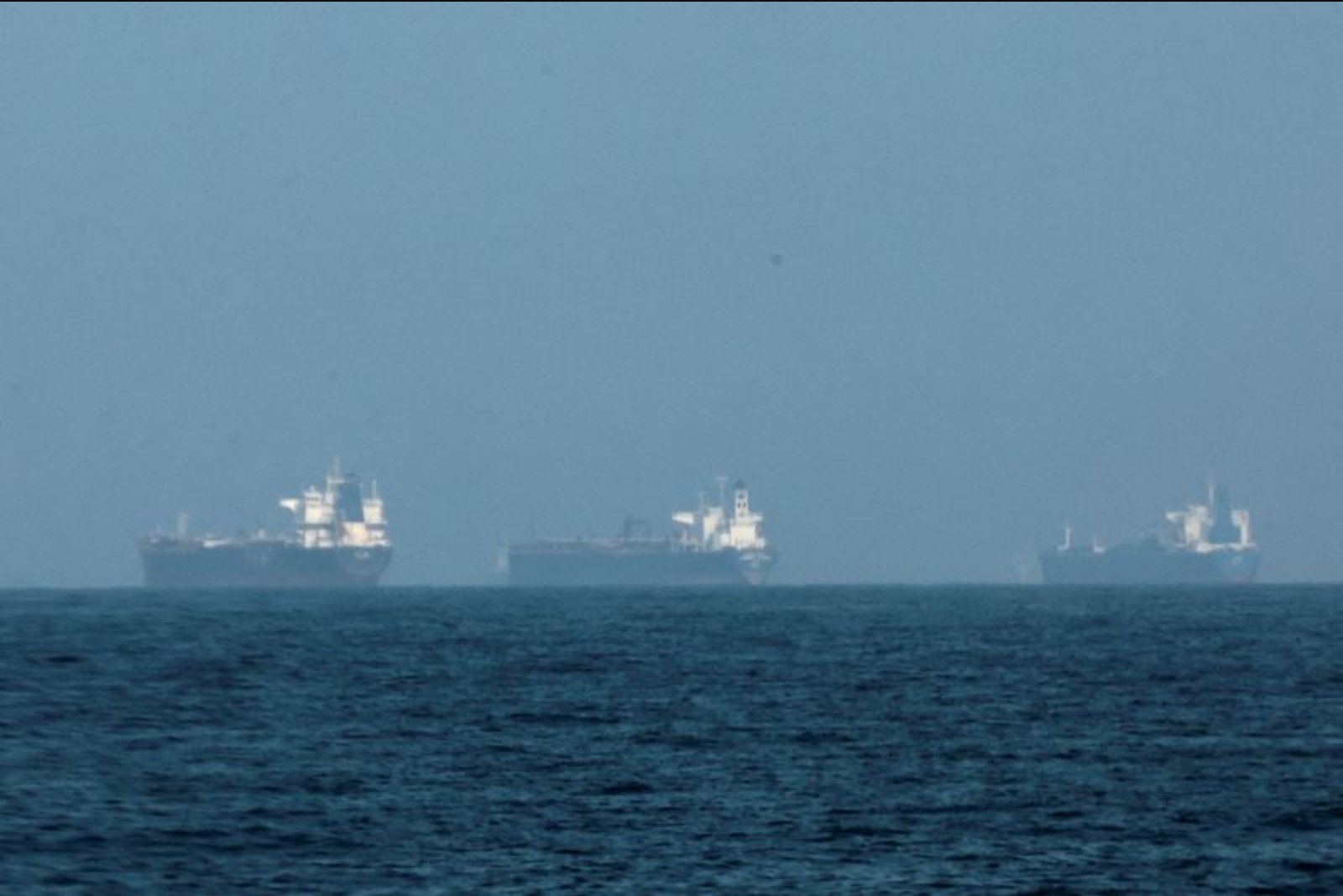
More vessels in and around the Gulf were hit on Thursday as the conflict involving the United States and Iran widened, with attacks now affecting tanker traffic, oil field operations and nearby states.
Initial assessments indicate a Bahamas-flagged crude oil tanker was struck by a remote-controlled boat packed with explosives while it was at anchor near Iraq's Khor al Zubair port. Separately, another tanker anchored off Kuwait suffered a large explosion on its port side and was reported to be taking on water and spilling oil.
These incidents bring the count to nine vessels attacked since the outbreak of hostilities between the U.S., Israel and Iran started on Saturday. The situation intensified on Thursday when Iran launched a volley of missiles at Israel and deployed drones into neighboring Azerbaijan, causing injuries to four people there.
Political developments have underscored the intensification. A motion to halt U.S. attacks was blocked in Washington, and reports indicate that the son of Iran's slain supreme leader has emerged as a frontrunner to succeed him - developments that the available reporting characterizes as signaling Tehran's unwillingness to relent under pressure.
Shipping disruption is widespread. Reuters estimates, drawing on ship-tracking data from the MarineTraffic platform, show about 200 vessels - including oil and liquefied natural gas tankers as well as cargo ships - are at anchor off the coasts of major Gulf producers. Hundreds more ships remain outside the Strait of Hormuz unable to reach ports. The strait is identified in the reporting as a pivotal route that handles roughly one-fifth of the world's oil and LNG supply.
Operations onshore have been affected too. British oil major BP evacuated foreign staff from Iraq's Rumaila oil field after two unidentified drones landed inside the field, according to Iraqi oil sources. Officials in Baghdad told Reuters that the country has cut oil production by nearly 1.5 million barrels per day because storage was full and tankers could not be loaded.
Markets have reacted quickly to the growing disruption. Oil prices extended their rally on Thursday, rising roughly 3% for the day and marking a gain of more than 14% since the conflict commenced on Saturday, as U.S. and Israeli strikes on Iran disrupted Middle East supplies. A benchmark European gas price rose over 5% on Thursday to 51.30 euros per megawatt-hour, a price that the reporting notes has climbed about 50% so far this week.
Statements and actions by other energy players are also noted as part of the evolving dynamics. Russia's president said that Russia could cut gas supplies to Europe immediately, comments that came amid the spike in energy prices. Qatar, which supplies about 20% of the world's LNG, halted gas production earlier in the week because of the conflict. The analysis cited in the reporting indicates that other large producers, including the United States and Australia, have little spare capacity available to replace the lost output.
The European Union faces greater difficulty and expense in refilling its gas storages in the coming months due to the Iran conflict and the disrupted LNG flows. The reporting recalls that the EU still imports some gas from Russia and is planning to end pipeline imports by late 2027 while banning new short-term LNG contracts from late April 2026.
Asian importers are reported to be under additional strain from the Middle East supply disruptions. Sources said China instructed refiners not to sign new contracts to export fuel and to attempt to cancel shipments already committed.
The reporting also included a market-oriented technology pitch related to the unfolding events. It noted a service called ProPicks AI that evaluates companies such as BP using more than 100 financial metrics, and that the AI highlights stocks based on fundamentals, momentum and valuation. The report quoted the service as pointing to past winners including Super Micro Computer (+185%) and AppLovin (+157%), and referenced the service's lack of bias and monthly evaluations across thousands of companies.
The incidents described in the available reporting underscore elevated uncertainty for shipping lanes, energy production and storage, and near-term pricing of oil and gas. The combined effect of attacks at sea, onshore drone landings and regional missile and drone strikes has contributed to extensive anchoring of vessels, curtailed production, and sharper energy price moves.