
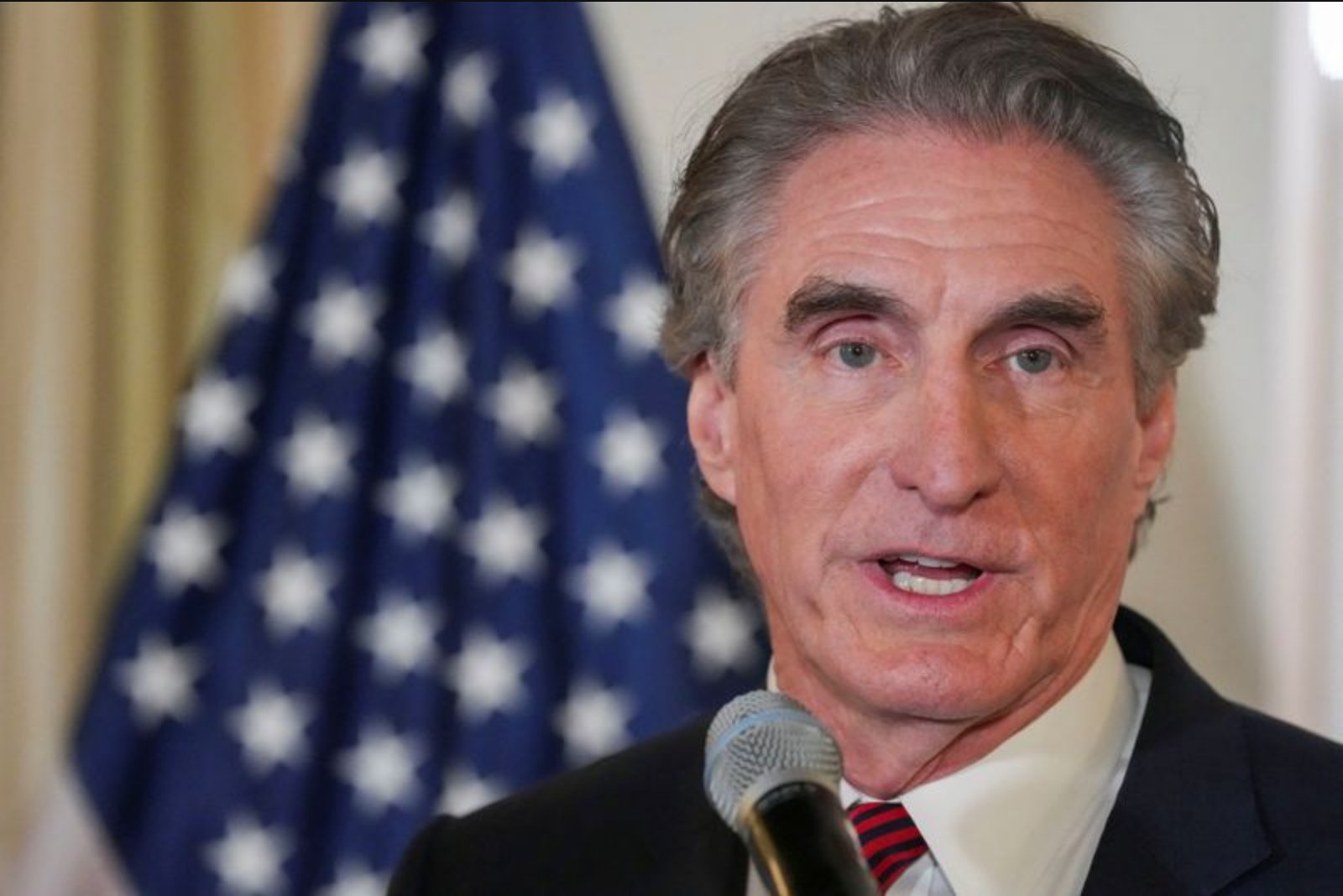
U.S. Interior Secretary Doug Burgum said on Sunday that Asia-Pacific partners have reached 22 commercial agreements with American companies valued at a combined $57 billion during the Indo-Pacific Energy Security Forum held in Tokyo.
Speaking on Fox News Channel's "Sunday Morning Futures," Burgum said the total was revised upward from an earlier $56 billion after one additional deal was finalized following the formal close of the conference. The transactions reflect commitments made over the course of the forum, according to Burgum.
Burgum framed the agreements as part of a broader effort to ensure that allied nations have access to secure energy sources. "The need to sell energy to our friends and allies so they are not forced to rely on adversaries," he said, characterizing a central purpose of the gathering.
He also singled out Japan as an active participant in the coalition seeking to place more oil into the market. In Burgum's description, Tokyo's actions signal both partnership with the United States and global leadership.
"From a Japan standpoint, when they’re dependent on oil coming out of the Strait, that’s a great indication of their partnership with the United States and a great indication of their leadership on the world stage to jump in and say they’re going to release a significant portion of their reserves," Burgum said.
In addition to reaffirming the value of the commercial agreements announced at the Tokyo forum, Burgum highlighted Japan's interest in buying more U.S. oil. He linked that interest to coordination among allied nations to bolster available supplies.
The comments came in a broadcast interview shortly after the conclusion of the forum, and Burgum noted the increase in the disclosed total of deals when an additional agreement was finalized after the event closed. Beyond the dollar value and number of deals, Burgum emphasized the policy rationale behind pursuing energy sales to allied countries.
Observers following the forum heard two consistent themes in Burgum's remarks: first, that the gatherings produced a sizable package of commercial commitments with U.S. companies; and second, that Japan is taking a leadership role within a coalition of nations to increase oil supplies on the market.
No further details about the individual agreements, the companies involved, or the timing of any deliveries were included in Burgum's comments during the interview.