
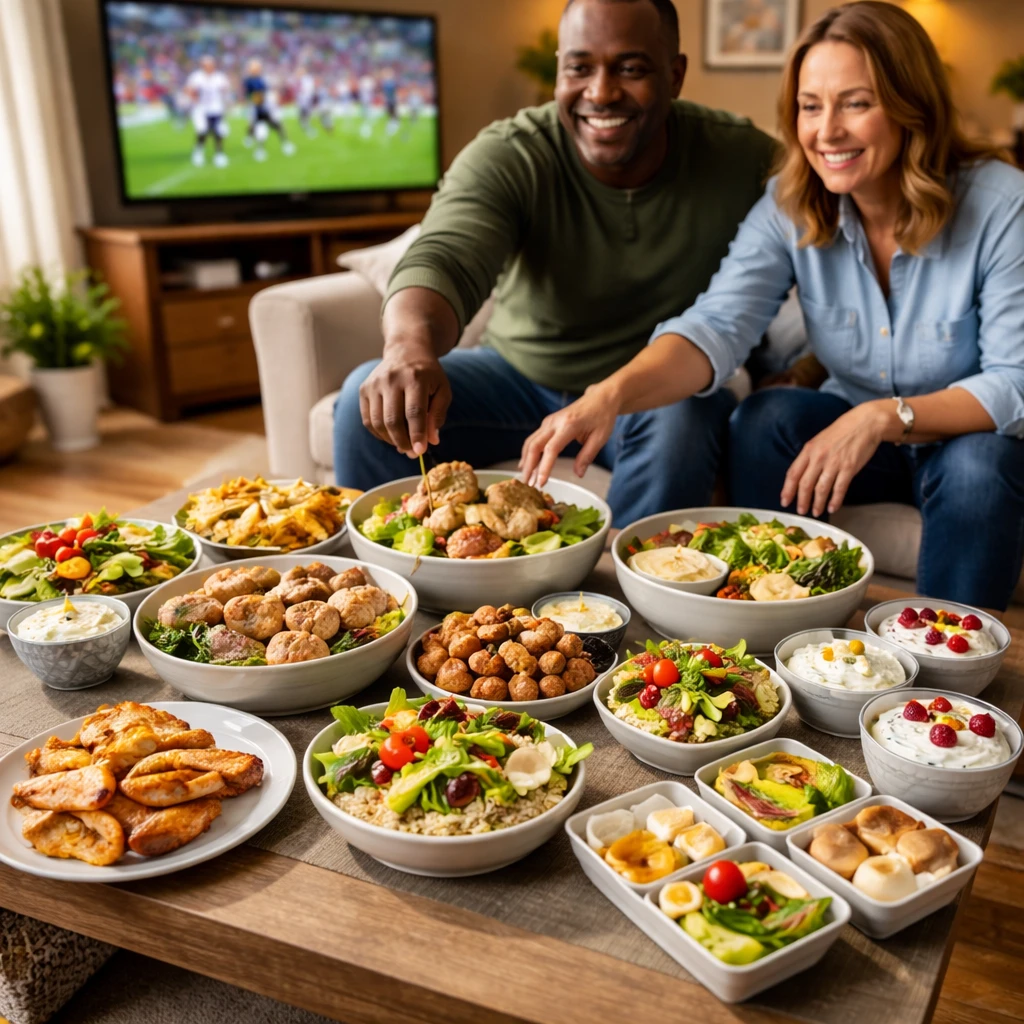
When Marla Senzon and her husband tune in to the NFL championship this Sunday, their Super Bowl spread will look very different from the platters they once favored. The Florida retiree, who began taking a GLP-1 appetite-suppressing medication two years ago, said the couple now prefers a salad topped with a light protein such as chicken or turkey instead of the usual pizza, pasta or takeout.
"Everything about our eating habits has changed," Senzon said. "I can see myself doing it forever." Her observation underscores a shift that food companies are watching closely as more consumers adopt GLP-1 class drugs.
Executives in the food and restaurant sectors are increasingly treating the GLP-1 trend as a durable change in demand rather than a passing diet craze. Ryan Zink, CEO of Colorado-based Good Times Restaurants, which operates more than 60 locations in the United States, told investors that the company views the GLP-1 trend "as somewhat more long-lived and more than just a short-term fad." Good Times recently added a protein bowl as a limited-time menu item that the company plans to fold into its core offerings in April.
Analysts estimate roughly 12% of Americans are now taking one of these drugs. For firms that produce traditionally higher-calorie foods, that percentage represents a material customer segment with different appetites. The response has included new product introductions, smaller serving sizes and alternative package formats designed to appeal to consumers seeking lower-calorie or higher-protein options.
PepsiCo CEO Ramon Laguarta referenced GLP-1s on the company earnings call for the first time in two years, saying the beverage giant intends to act "with a sense of urgency" by offering smaller portions and developing items with more fiber and protein.
Food companies are navigating two simultaneous dynamics: a reduction in consumption among people using weight-loss drugs and broader consumer sensitivity to price. In a forthcoming National Restaurant Association industry report, 34% of sit-down restaurant operators reported adjusting portion sizes in 2025 to address rising business costs. Michelle Korsmo, CEO of the trade group, said the altered appetites of GLP-1 users are also on operators' minds. "There's no question GLP-1s are on the mind of restaurant operators," she said.
The market for snacks appears poised to shift as well. A recent announcement from upstart drugmaker Hims & Hers grabbed attention by unveiling a compounded version of Novo Nordisk's Wegovy pill at a $49 introductory price, an offer it later withdrew amid regulatory pressure. The episode highlighted the likelihood that prices for these medications will continue to decline.
Consultant Ali Furman at PwC said GLP-1 users consume roughly 40% fewer calories, a change that equates to grocery baskets that are 4% to 6% smaller and 4% to 5% less spending on fast food. Surveying consumer behavior, the restaurant association reported that 64% of adults are more likely than in previous years to replace a meal with snack items during the day.
Packaging and food producers expect the snacking trend to persist, shifting toward healthier formats. "I don't think the trend of snacking is going to go backwards. It will shift from unhealthy to more healthy categories," said Peter Konieczny, chief executive of packaging company Amcor.
Major food companies are already responding. Danone North America executives noted that GLP-1 adoption is lifting demand for high-protein, lower-sugar and digestion-supporting foods, citing Greek yogurt as an example. General Mills and Conagra Brands have launched higher-protein, higher-fiber products, while meal-kit provider HelloFresh rolled out GLP-1-friendly recipes in the third quarter of 2025.
Analysts see commercial opportunity as well as risk. Zak Stambor, senior analyst in retail and ecommerce at eMarketer, said rising GLP-1 use "creates a real opportunity for food companies." He added that many GLP-1 users are willing to spend more than non-users on foods and supplements and may trade up to items like protein shakes when brands can clearly communicate health benefits.
Restaurants have introduced menu items tailored to the new demand profile. In December, Chipotle announced a high-protein menu that included a cup containing only four ounces of grilled chicken. The moves by retailers and restaurants illustrate how the industry is reconfiguring offerings to retain customers whose meal patterns and caloric intake have shifted.
As the share of consumers on GLP-1 medications grows, the food sector is reacting with product innovation, portion control and repositioned snack options. Executives emphasize urgency in adapting portfolios, while trade groups and consultants point to measurable reductions in calories consumed and spending patterns associated with the drugs. The net effect is a marketplace adjusting to smaller serving sizes, higher-protein formulations and changing consumption occasions as firms seek to align with new consumer preferences.