
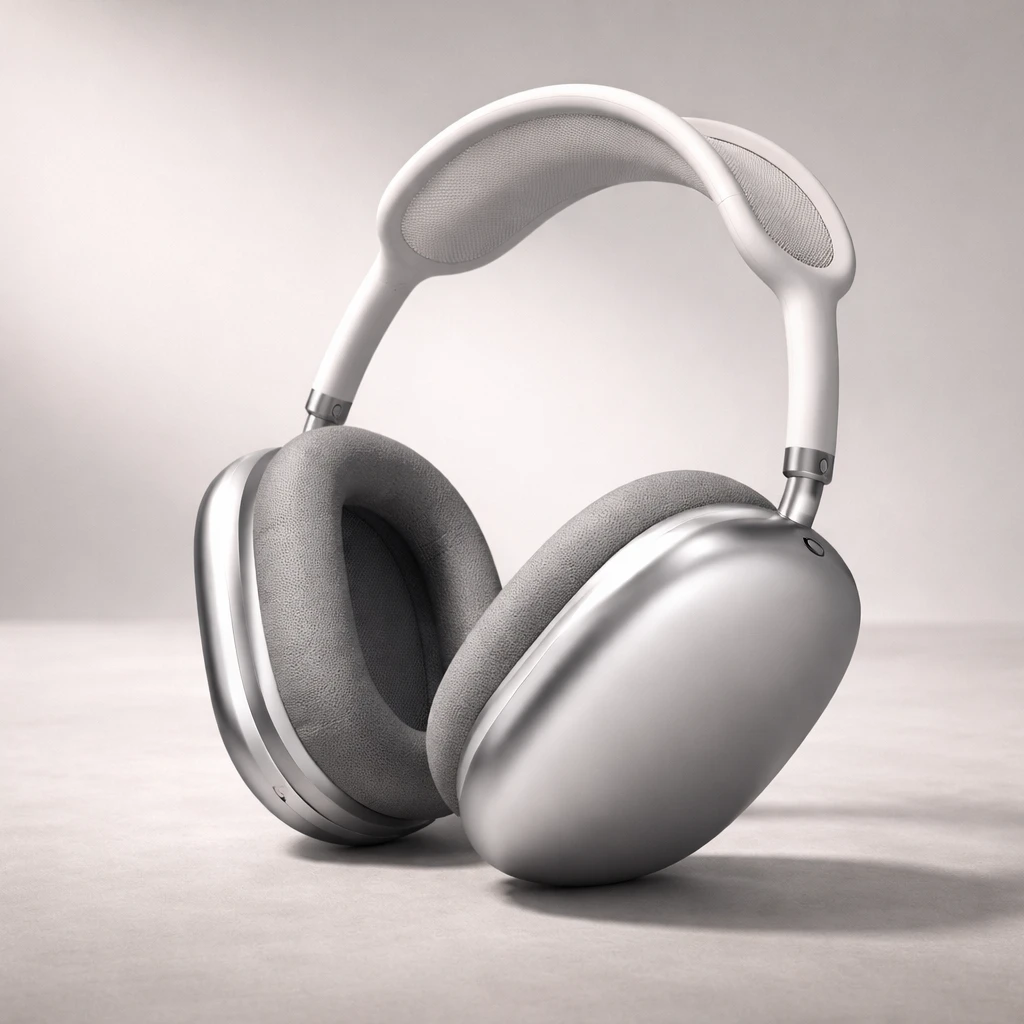
Apple has rolled out the second generation of its AirPods Max over-ear headphones, setting the price at $549 for the updated model. The announcement marks the first substantial refresh of the premium headphones since their initial release in 2020 and comes more than five years after the first version’s launch.
The new AirPods Max 2 are built around Apple’s H2 chip, the same in-house processor that powers the latest AirPods lineup. According to the company, the updated internal hardware supports a suite of enhancements including stronger active noise cancellation and an upgraded microphone array.
Apple highlighted a set of new user-facing features on the AirPods Max 2. These include Adaptive Audio and Conversation Awareness, which adjust audio behavior in response to user context, along with Live Translation, a capability first introduced on the AirPods Pro 3 in September. Live Translation leverages Apple Intelligence to translate in-person conversations between languages.
For users who demand higher fidelity, Apple said the headphones support high-resolution lossless audio when connected via USB-C. The company framed this capability as a feature aimed at music creators and professionals who require elevated audio fidelity.
On timing and distribution, Apple stated the AirPods Max 2 will be available to pre-order starting March 25 in more than 30 countries, and that retail availability will begin early next month. No further regional specifics were provided in the announcement.
Apple enters a premium headphone segment that the company acknowledged is largely dominated by established players in the industry. The company named Japan’s Sony Group, Bose and Sennheiser as dominant competitors in the market for high-end headphones.
Sectors impacted: Consumer electronics, professional audio and music production equipment markets may be affected by the release.
Context limitations: The company provided feature and availability details but did not supply additional information about regional rollouts beyond the reference to more than 30 countries, nor did it disclose specific supply or inventory expectations.