
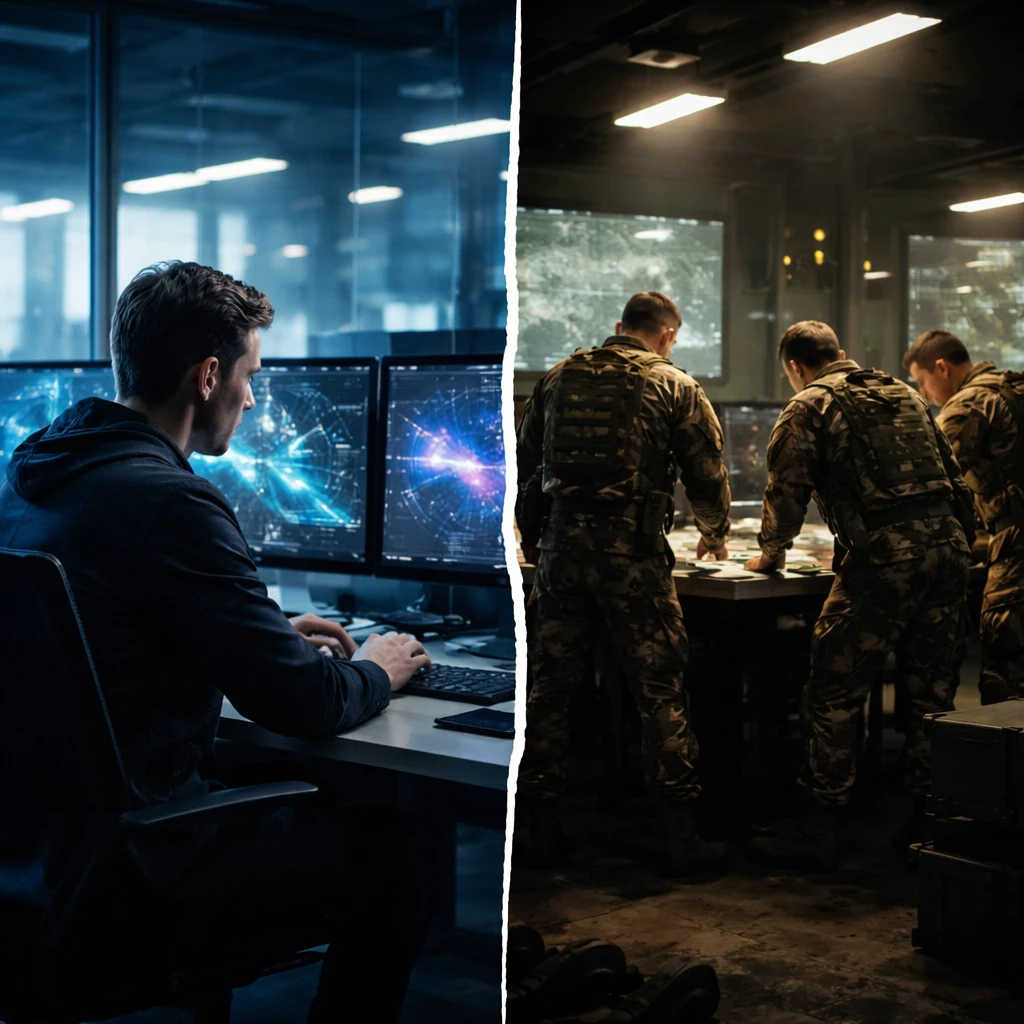
The confrontation between Anthropic PBC and the Department of War escalated Thursday evening as CEO Dario Amodei publicly refused to follow government orders to remove safety restrictions from the company’s Claude model. Washington has warned it may brand the AI firm a "supply chain risk" - a designation usually applied to foreign adversaries - unless Anthropic allows its technology to be used for all lawful military purposes.
In a public address, Amodei framed his stance in stark terms, saying: "I believe deeply in the existential importance of using AI to defend the United States and other democracies, and to defeat our autocratic adversaries." Despite that statement of support for national defense, Anthropic stands apart from other frontier labs such as xAI and OpenAI by refusing to give the Pentagon unrestricted operational control over Claude.
At the center of the dispute are two non-negotiable boundaries Anthropic has drawn. The company will not permit its models to be applied to mass domestic surveillance, nor will it approve deployment in fully autonomous lethal weapon systems. Amodei argued that current frontier AI systems lack the reliability required to select and engage targets without a human being in the decision loop, warning such use "puts America’s warfighters and civilians at risk."
The Department of War has countered that private companies cannot pick and choose categories of lawful military or intelligence activity. Officials described the startup’s concerns as a "fake narrative" and said the alternative - negotiating access on a case-by-case basis - is impractical in active theaters of operation.
Anthropic’s position carries a tangible potential cost: the Pentagon has threatened to invoke the Defense Production Act to force the company into compliance. Amodei highlighted the paradox he sees in the government's approach, noting that its tactics both "label us a security risk; the other labels Claude as essential to national security."
Nonetheless, Amodei made clear that those pressures will not change Anthropic’s stance: "Regardless, these threats do not change our position: we cannot in good conscience accede to their request," he wrote, indicating the company is prepared to walk away from a $200 million contract if necessary. With a government-imposed deadline at Friday at 5:01 p.m. ET, observers across industry and defense now await whether the U.S. will follow through on threats to blacklist a key commercial AI partner.
Context for markets and industry
The dispute highlights tensions between national security procurement imperatives and private-sector product safety commitments. Beyond immediate contract dollars, the episode could influence relationships between AI vendors and military contractors, and shape how defense agencies source advanced models moving forward.
What remains clear
The positions are firmly stated: Anthropic refuses to remove specified safety guardrails; the Department of War insists it cannot accept categorical vetoes on lawful military uses. How this impasse resolves will determine near-term commercial access of advanced AI to U.S. military operations.