
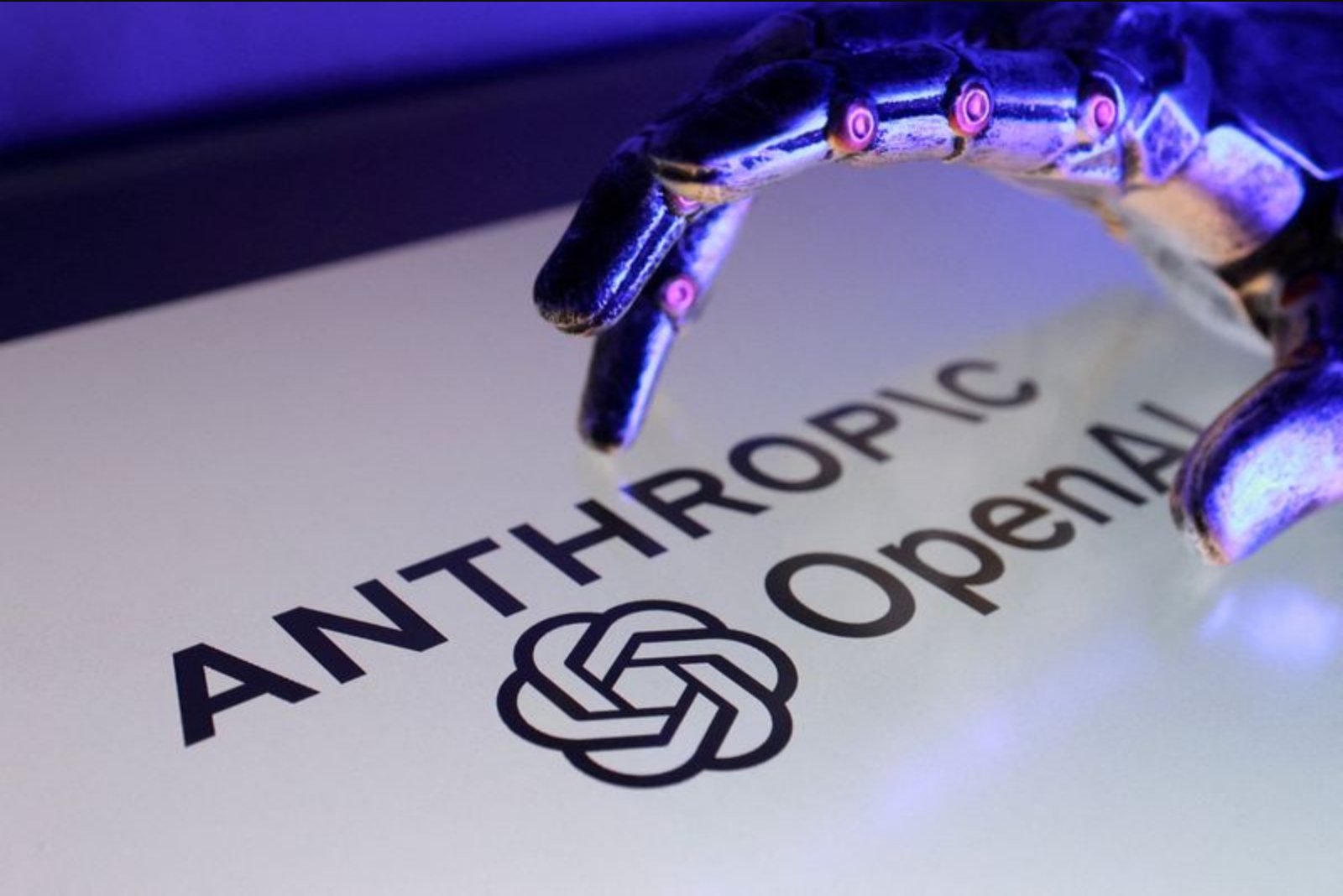
Anthropic has reserved Super Bowl airtime for a high-profile marketing push that doubles as a direct critique of rival OpenAI’s plan to sell ads within its ChatGPT chatbot. The commercial, expected to run during Sunday night’s NFL championship game, is part of an aggressive public exchange between the two leading AI companies.
The 30-second spot set to run on the NBC television network features a scrawny twenty-something attempting pull-ups in a park. He asks a muscular passerby for guidance on building six-pack abs. The man responds in a manner that signals he is a chatbot, offering a tailored strength-training routine. Before delivering the plan, however, the character inserts a promotion for shoe inserts that purportedly help "short kings stand tall." The exchange leaves the young exerciser bewildered.
The commercial’s closing line spells out Anthropic’s position: "Ads are coming to AI. But not to Claude." The ad is billed as the first Super Bowl campaign for Anthropic’s Claude.
OpenAI’s chief executive, Sam Altman, publicly condemned the Anthropic spot as "deceptive" in a post on the social media platform X. In a separate interview on the TBPN podcast he said, "We’re not stupid," and added, "We respect our users, we understand that if we did something like what those ads depict, people will rightfully stop using our product."
OpenAI itself is planning Super Bowl advertising that focuses on its software coding product, Codex. The two AI companies are using the same major television platform to press their messages to a broad audience as they compete for consumer attention and enterprise customers.
Industry context for the decision is stark: the Seattle Seahawks and the New England Patriots will play in Santa Clara, California, and an estimated 120 million viewers are expected to tune in. Mark Marshall, chairman of global advertising at NBCUniversal, said the average price to run a 30-second spot is $8 million, although a small number of slots sold for more than $10 million. NBCUniversal is owned by Comcast.
Ad buyers and measurement firms say the Super Bowl offers a unique opportunity for the two companies to shape public perceptions of artificial intelligence. Sean Wright, chief insights and analytics officer at ad-tracking firm Guideline, noted the challenge of setting the right tone for a wide audience, pointing to an opinion snapshot in which only 17% of U.S. adults view AI as likely to have a positive effect on the country over the next 20 years. Wright characterized the messaging task as balancing the need to reassure general viewers, many of whom may never have used AI, while also promoting product differences.
Sam Muller, founder and CEO of TV ad-measurement company iSpot, said OpenAI has been leveraging commercials to position ChatGPT as a practical, everyday tool. He pointed to OpenAI’s most recent commercial, which shows three runners spurring one another on in cold weather and ends with scrolling text of ChatGPT’s answer to the question, "How do I make sure I don’t quit running?" The running response includes a recommendation to run with friends for accountability. Muller observed that the ad "wasn’t an ad that people liked," and that OpenAI is still finding its narrative footing in television storytelling.
A spokesman for an ad-measurement firm said the Anthropic commercial also produced negative reactions in consumer testing.
Beyond creative critiques, the public clash underscores commercial and financial dynamics. The two large AI labs are not profitable and are competing for market share across consumer and enterprise segments. Both firms are also racing toward potential public listings as early as this year, a process that will put them in competition for investor attention and capital.
Sam Singer, president of Singer Associates Public Relations, framed the exchange as an extension of human behavior into corporate marketing: publicly arguing can heighten interest. He said the dispute "makes the Super Bowl more interesting," adding that the head-to-head nature of the contest between two similar products will encourage viewers to think about Claude and ChatGPT, with potential benefits for both brands.
The Super Bowl placement serves multiple objectives: it is a platform for differentiation in a crowded AI market, an attempt to influence consumer acceptance of chatbots, and a stage to reach both mass-market users and prospective enterprise clients. At the same time, it exposes the companies to public scrutiny over messaging choices and creative execution.
For advertisers and investors watching the tech and media sectors, the clash highlights how marketing spend and narrative control are being used as competitive tools in a market where profitability has yet to be established and customer trust remains fragile.