
Stock Markets July 15, 2026 12:51 PM

Amazon Leo and Herotel to Deliver Satellite Broadband to Rural South Africa in 2027

Partnership targets underserved communities with 'evry' residential service as satellite providers compete for African markets

By Marcus Reed
Share
Twitter Reddit Facebook LinkedIn
AMZN

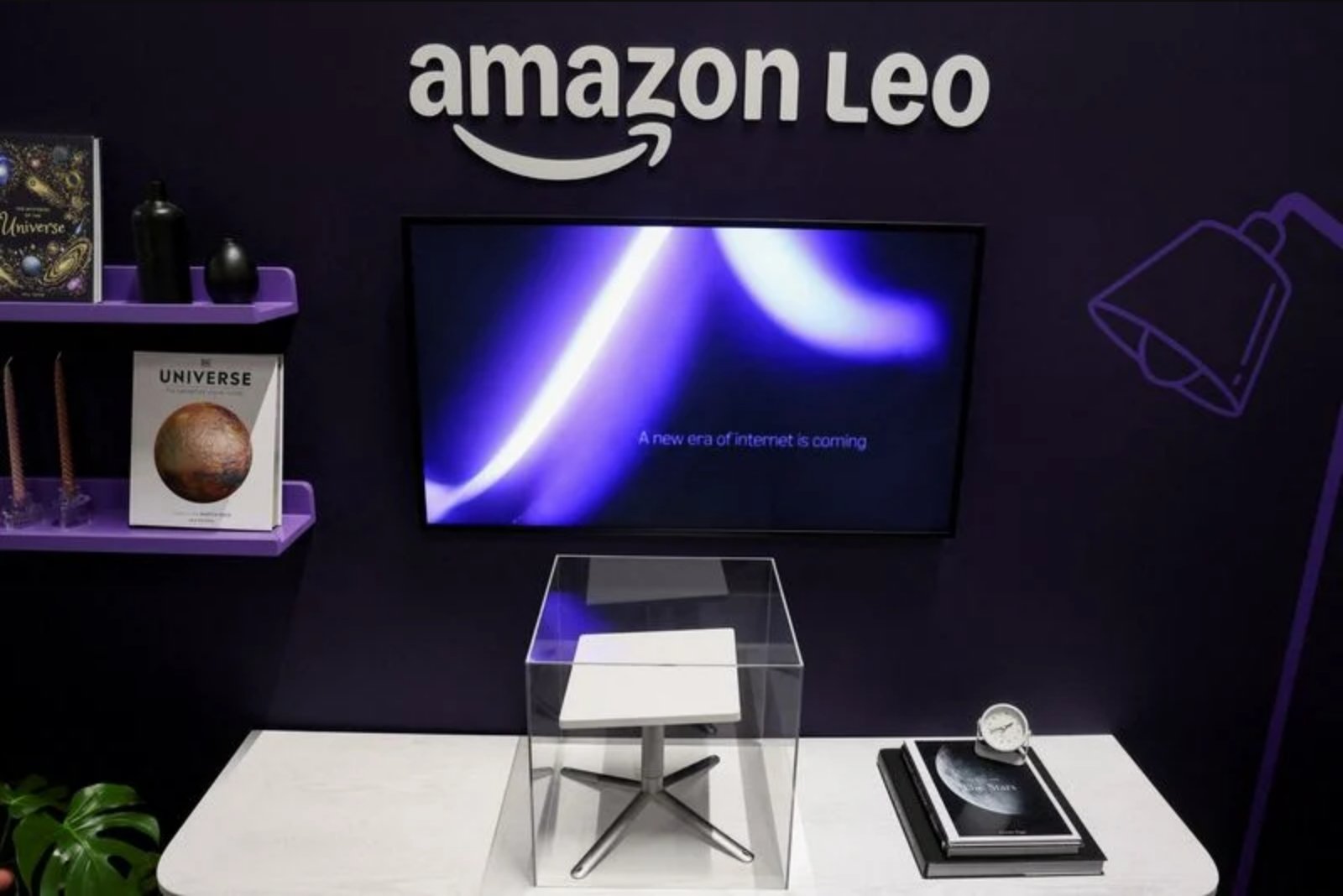
Amazon’s low-earth orbit satellite unit, Amazon Leo, has agreed with South Africa’s Herotel to roll out a new satellite broadband service called evry aimed at rural and hard-to-reach communities, with commercial availability planned for 2027. The alliance leverages Herotel’s local footprint for installation and field operations, while other providers such as SpaceX’s Starlink await licensing changes to enter the market.

Amazon Leo and Herotel to Deliver Satellite Broadband to Rural South Africa in 2027
AMZN
Summarize with
ChatGPT Perplexity Claude Grok Gemini

Key Points

  • Amazon Leo and Herotel will launch a residential satellite broadband service called evry, targeting underserved rural communities in South Africa with commercial availability expected in 2027.
  • Herotel will provide installation, customer service and field operations, leveraging its network that serves more than 350,000 customers across over 550 towns and 120 offices.
  • The move occurs as satellite internet providers expand in Africa; SpaceX’s Starlink is also seeking South African entry but is awaiting proposed licensing rule changes.

JOHANNESBURG, July 15 - Amazon’s low-earth orbit satellite internet initiative, Amazon Leo, has entered into an agreement with South African internet provider Herotel to offer satellite-based broadband services across underserved parts of the country. The partners said the product, named evry, is intended for residential customers and is scheduled to launch commercially in 2027.

Under the terms announced, Herotel - which is owned by Maziv - will integrate Amazon Leo’s satellite technology into its service delivery. The ISP said its existing infrastructure and local presence will be used to handle installation, customer support and ongoing field operations when the service becomes available. Herotel currently reports serving more than 350,000 customers across over 550 towns and operating 120 offices nationwide.

Both companies framed the tie-up as an effort to close a persistent connectivity gap in South Africa. Millions of residents on farms, in small towns and in rural settlements remain without dependable internet access because traditional fibre and wireless networks are often not economical to deploy in those locations, the partners said.

Financial terms of the agreement were not disclosed.

David Zapolsky, Amazon’s chief global affairs and legal officer, said the collaboration aims to remove obstacles to reliable online access and create opportunities for work, education and essential services for people currently without dependable connectivity.

The deal comes amid growing competition among satellite internet providers looking to expand in Africa. SpaceX’s Starlink is also seeking to enter the South African market but is currently awaiting proposed changes to licensing rules that could permit foreign satellite operators to meet local ownership and empowerment requirements via alternatives to taking equity stakes.

Earlier this year, Amazon Leo signed an agreement with Vodafone to connect Vodafone’s network to base stations in hard-to-reach African locations through Vodafone’s South African subsidiary, Vodacom. The new arrangement with Herotel builds on Amazon Leo’s broader push to link satellite capabilities with regional network operators.


Implications

The agreement pairs satellite capability with an established local ISP footprint, potentially accelerating residential satellite broadband availability in areas where fibre and mobile networks have limited reach.

Risks

  • Regulatory uncertainty - Starlink's entry is pending proposed licensing rule changes, highlighting potential regulatory hurdles for foreign satellite operators in South Africa, which could also affect Amazon Leo's rollout timing or conditions.
  • Economic viability in rural deployment - The article notes conventional fibre and wireless networks are often uneconomical to deploy in rural areas, implying cost and adoption challenges that could affect subscriber uptake and service economics.
  • Undisclosed financial terms - Financial details of the Amazon Leo-Herotel agreement were not disclosed, leaving uncertainty about revenue sharing, investment levels and financial risks for both companies.

More from Stock Markets

Netflix Q3 Guidance Trails Street Estimates as Company Narrows Public Metrics Jul 16, 2026 Standard Nuclear Shares Drop in NYSE Debut After Cutting IPO Size Jul 16, 2026 Google's Gemini 3.5 Pro Release Slips as Internal Benchmarks Miss the Mark Jul 16, 2026 Comcast shares projected to move 5.2% around July 23 earnings Jul 16, 2026 Options Point to 4.2% Move for Blackstone Ahead of July 23 Results Jul 16, 2026