
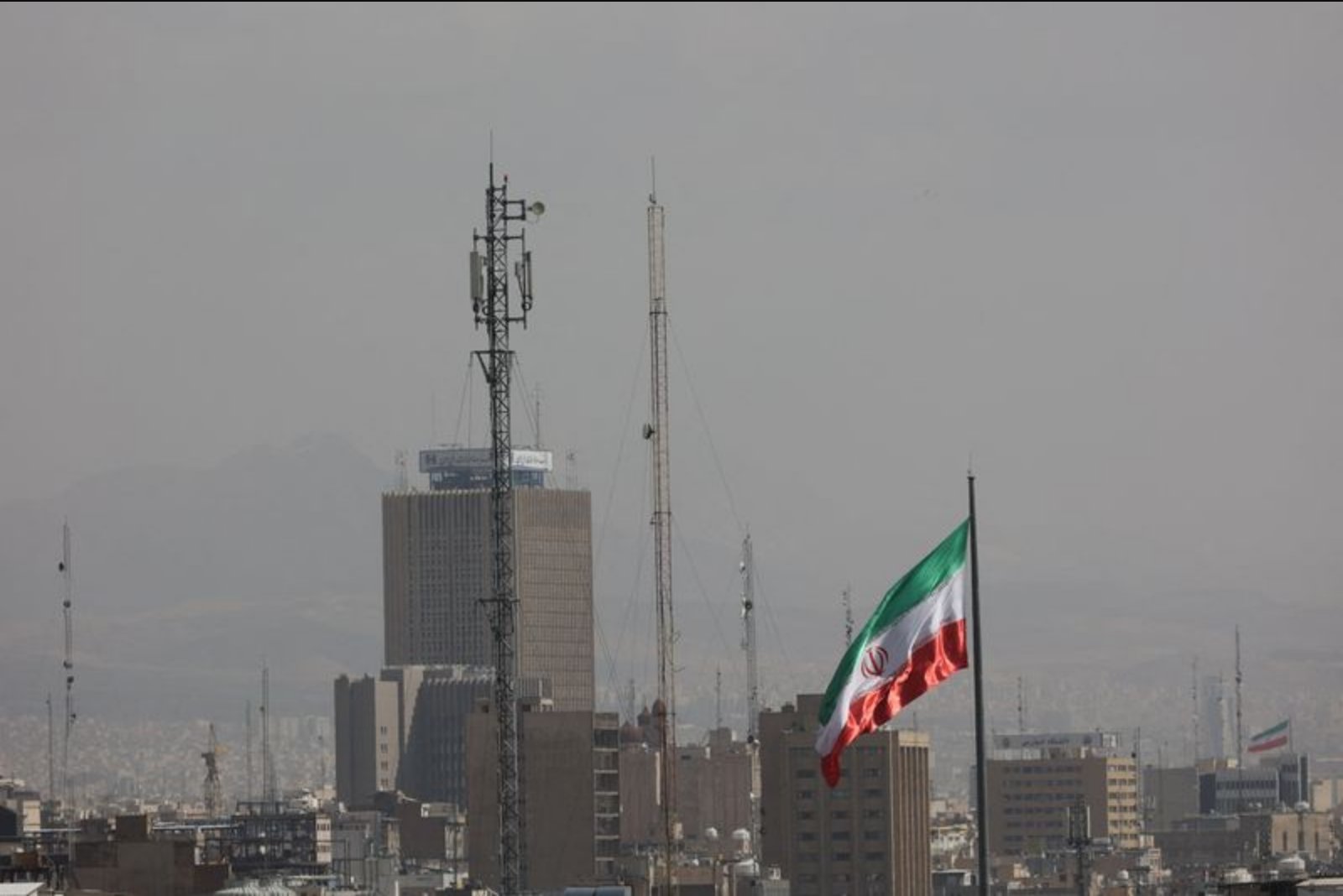
DUBAI, Feb 28 - Commercial air traffic across much of the Middle East was suspended on Saturday after strikes by the United States and Israel on Iran led to a missile response from Tehran. Flight monitoring charts showed virtually no traffic over Iran as Israel reported strikes inside the country and the U.S. military carried out multiple strikes on targets there. Iran answered with a barrage of missiles.
The spike in hostilities dimmed prospects for a diplomatic resolution to Tehran's nuclear dispute with Western powers and marked a renewed phase of conflict following weeks of U.S. force buildup in the region. The developments represent the latest disruption to air travel in a typically busy transcontinental corridor.
With Russian and Ukrainian airspace closed to most carriers because of the prolonged conflict there, routes over the Middle East have grown in importance for flights between Europe and Asia. That shift has made airlines more vulnerable to regional instability. The presence of active conflict zones raises the risks of accidental or deliberate strikes on civilian aircraft, and longer routings to avoid danger areas drive higher fuel consumption and increased operating expense.
Airspace closures and airline responses
Following the attacks, Israel, Iran, Iraq and Jordan closed their skies, and a regional map on Flightradar24 showed aircraft steering well clear of those areas. The United Arab Emirates announced a partial and temporary closure of its airspace as a precaution, and the carrier flydubai said some of its services were affected on Feb 28 because of those temporary closures.
Several carriers adjusted operations on Saturday. Qatar Airways temporarily halted air traffic as a precaution. Some Qatar Airways flights that departed on Saturday morning were recorded by Flightradar24 as circling over Kuwait or Saudi Arabia and then returning to Qatari airspace, with aircraft holding off Doha.
Germany's Lufthansa said it would suspend flights to and from Dubai on Saturday and Sunday and would temporarily halt services to Tel Aviv, Beirut and Oman until March 7. Air France cancelled flights to and from Tel Aviv and Beirut. Iberia cancelled its Tel Aviv flights. Wizz Air suspended flights to and from Israel, Dubai, Abu Dhabi and Amman with immediate effect until March 7.
The Russian Ministry of Transport said Russian carriers had suspended their routes to Iran and Israel. KLM, the Dutch unit of Air France-KLM, moved forward the suspension of its Amsterdam-Tel Aviv service and cancelled the flight scheduled for Saturday after the strikes in Iran; the airline had previously announced plans to halt that service from March 1. Virgin Atlantic said it would temporarily avoid Iraqi airspace, leading to some rerouting of its schedules.
Kuwait's aviation authority announced it was halting all flights to Iran until further notice, according to the state news agency. Oman Air said it had suspended all flights to Baghdad because of the regional situation.
Operational and economic implications
Analysts and carriers point to several operational burdens stemming from the escalation. Conflict-affected corridors force airlines to find longer alternatives, increasing flight times and fuel burn. The prospect of aerial attacks on or near civilian air traffic heightens safety concerns and complicates flight planning.
These disruptions also come as the Middle East has grown in strategic importance for Europe-Asia traffic in the wake of restrictions over Russian and Ukrainian airspace. The result is a concentration of risk for an area that now handles a larger share of long-haul services.
Additional commercial notes
Amid operational notices, one paragraph of market-oriented content asked whether investors should be buying LHAG at this time. It described a proprietary AI evaluation tool called ProPicks AI that examines companies using more than 100 financial metrics, asserting the tool identifies stocks offering attractive risk-reward based on current data and citing past winners with specified gains. The text invited readers to check whether LHAG appears in any ProPicks AI strategies or to compare opportunities in the same sector.
The evolving situation will continue to affect flight schedules and routing choices while the security environment in the region remains unsettled.