
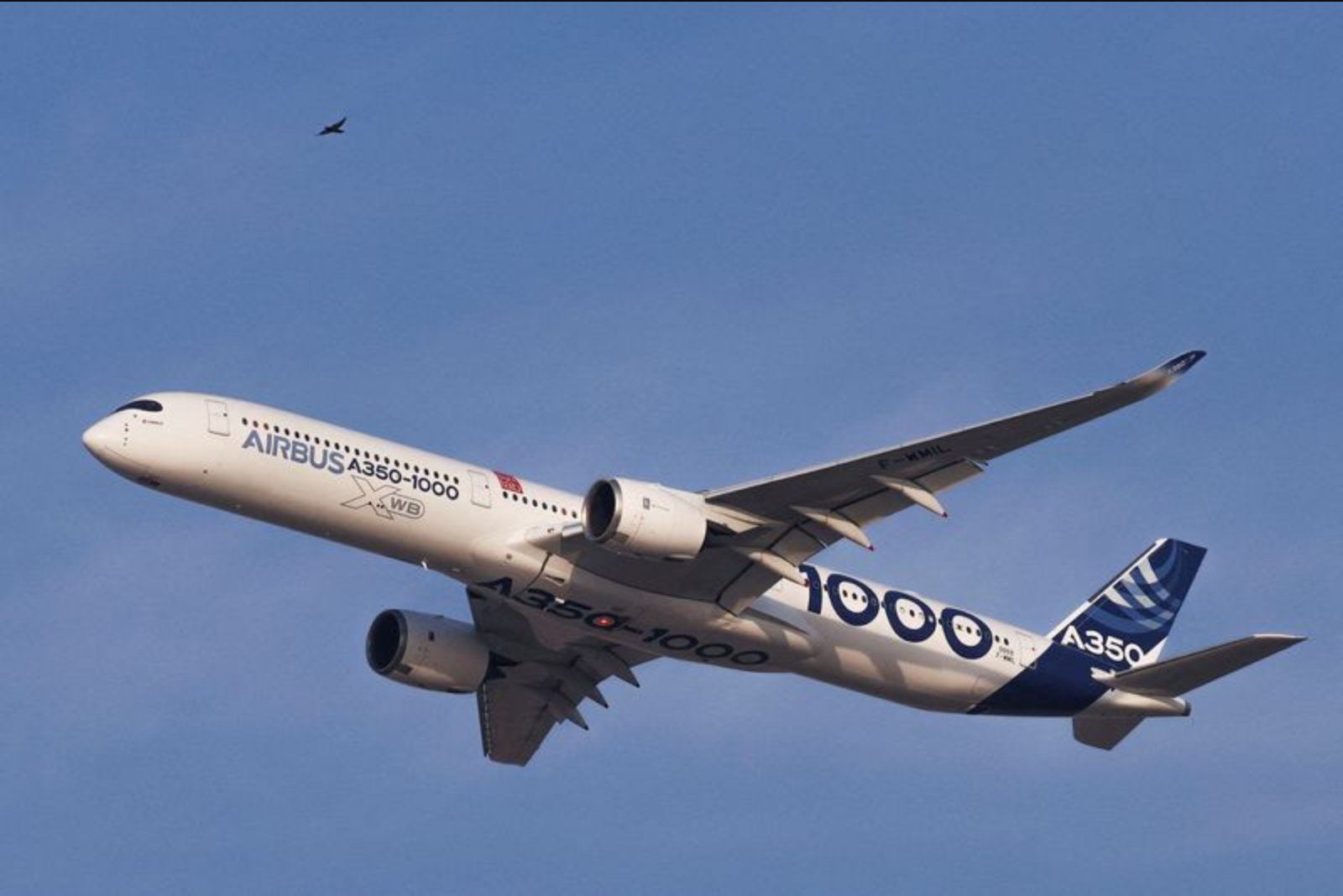
PARIS, March 19 - Airbus has stepped up pressure on Pratt & Whitney, the engine maker owned by RTX, by pursuing a claim for possible damages in a widening dispute over delayed engine deliveries and how scarce engines are allocated, two people familiar with the matter said.
The confrontation centers on competition for limited numbers of Geared Turbofan engines, which power at least 40% of Airbus’s top-selling A320neo family, and on which Pratt & Whitney competes with CFM International’s LEAP engine for airline business. The company’s production and repair backlog has left hundreds of narrowbody jets grounded, in part because of long waits for engine inspections and repairs following a manufacturing problem at Pratt & Whitney. That bottleneck has also squeezed the flow of engines available to equip newly built aircraft.
What Airbus is alleging
Airbus has accused the RTX unit of reducing the number of engines allocated to its assembly lines compared with earlier commitments, saying those shortfalls contributed to its recent decision to cut output targets. Executives at the planemaker have previously warned they are prepared to enforce contractual rights. The escalation now includes a claim that could lead to unspecified damages if successful, according to the people who spoke on condition of anonymity because the discussions are sensitive.
The precise forum for the claim is not clear. Industry practice is that many cross-border commercial disputes in aerospace are handled confidentially through arbitration, and the sources said that would be a likely route. Airbus declined to add to comments previously made by its CEO. RTX did not immediately comment.
Balance between production and repairs
The row highlights a wider three-way strain among planemakers, engine suppliers and airlines about how to prioritise scarce engine resources. Since the pandemic disrupted global supply chains, engine manufacturers have had to juggle deliveries to aircraft manufacturers with airlines’ requests for repairs and inspections to keep existing fleets operating. Airbus says Pratt & Whitney over-promised on shipments to its factory network while diverting engines to maintenance shops, which are often more lucrative for engine makers.
That approach risks pitting Airbus against some of its own airline customers. The dispute has seen public interventions from airline leaders; for example, Lufthansa’s CEO defended Pratt & Whitney and argued that carriers should receive priority for repairs. At the same time, RTX’s chief executive, Chris Calio, told analysts in January that Pratt & Whitney must strike the right balance between supporting airlines and supplying new aircraft production, noting that overall deliveries at the unit rose by 50% last year.
Operational and industry impact
Hundreds of A320neo-family aircraft have been affected by long inspection and repair backlogs, a factor that has contributed to Airbus trimming recent production targets. The shortage has placed additional strain on Airbus’s own production network, which was already facing supply challenges including issues with fuselage panel deliveries from a Spanish supplier that prompted delivery goal reductions late last year.
Observers in the industry say the conflict underscores how scarce engine and parts supplies since the pandemic have created recurring tensions. While major disputes are relatively rare among an industry dominated by two large planemakers and a handful of major engine suppliers, the clash with Pratt & Whitney is shaping up as one of the most significant tests of that commercial cohesion in recent years. It follows other high-profile legal and commercial disagreements in the sector, and comes as Airbus and Boeing continue to evaluate engine choices for next-generation aircraft, even though such long-term development decisions typically resolve faster than multi-decade partnership strategies.
Next steps and uncertainty
Airbus’s move to pursue damages opens a new phase in a dispute that was already public-facing, after company leadership signalled a willingness to pursue contractual remedies. The outcome of any claim, its legal forum, and whether it will produce monetary compensation or another form of settlement remain unclear. Likewise, how the allocation of engines between airlines and aircraft production will be resolved is uncertain, and could continue to affect aircraft availability, airline operations and manufacturer production schedules.
For now, both sides have signalled competing priorities: Airbus seeking reliable volumes to meet factory output targets, and Pratt & Whitney balancing repair work demanded by airlines with commitments to new aircraft production.
Implications for markets and supply chains
The dispute has implications across aerospace supply chains and for airlines operating large fleets of A320neo-family jets. It also bears on how engine makers prioritise revenue-generating maintenance work versus fulfilling long-term supply contracts to aircraft builders. How that balance is struck could affect production rates, airline fleet utilisation and the stability of relationships between manufacturers, suppliers and operators.
As the claim progresses, the industry will be watching both the substance of Airbus’s allegations and the practical steps Pratt & Whitney and RTX take to manage repair backlogs and delivery flows. The resolution will influence short-term aircraft availability and could set precedents for how similar disputes are handled in an industry with tightly interdependent players.