
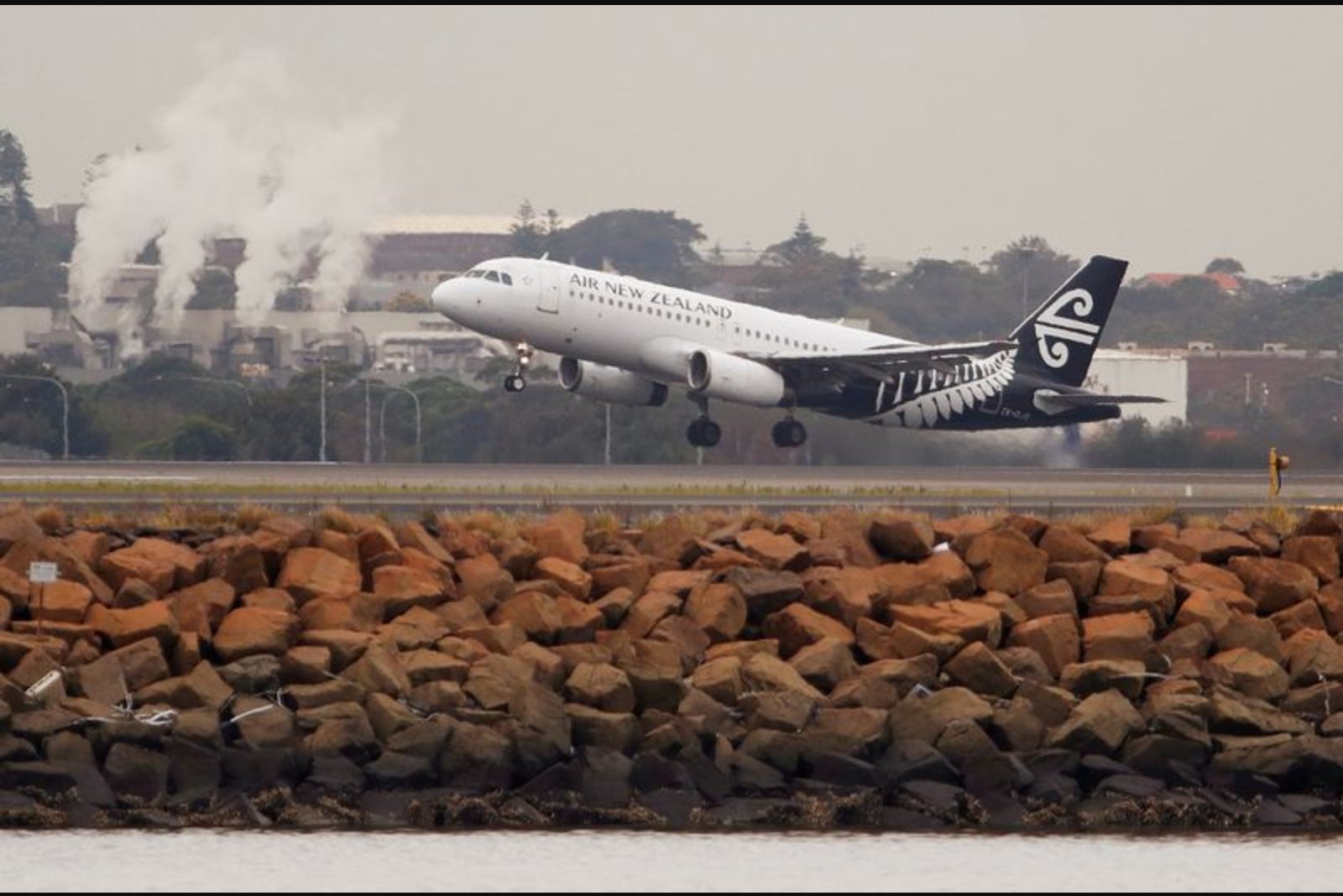
Air New Zealand announced on Thursday it will cancel about 5% of its flights - approximately 1,100 services - through early May, attributing the reductions to a sudden surge in jet fuel costs driven by the Iran war and to broader travel disruptions even in regions far from the conflict zone.
The carrier said the cuts will affect both domestic and international services, and that some smaller airports will see fewer scheduled flights in the coming weeks. Airports that serve tourism and regional centres such as the Marlborough wine region and the west coast city of New Plymouth were specifically cited as facing reductions in service levels.
Air New Zealand estimated that roughly 44,000 customers out of the 1.9 million expected to fly through early May will need to be rebooked or otherwise accommodated because of the cuts, CEO Nikhil Ravishankar told state-owned Radio New Zealand. He said the airline plans to prioritise keeping long-haul access to Europe by routing passengers via U.S. airspace, which remains available since much Middle Eastern airspace has been closed.
"People want to get to Europe still, and over the U.S. airspace we can get them into Europe, and that’s what we’re focused on doing," Ravishankar said.
The move from Air New Zealand follows a wave of similar measures and fare increases from several carriers globally. Airlines including Qantas Airways, SAS and Thai Airways announced higher ticket prices this week, blaming the abrupt fuel-cost spike that has unsettled the aviation sector. Several carriers have cancelled flights to and from the Middle East or are using longer alternative routings because of drone and missile activity that has severely constrained Gulf airspace.
Oil prices rose on Thursday after Iraqi security officials reported that Iranian explosive-laden boats had struck two fuel oil tankers amid wider supply disruptions, and after Iran warned the world should be prepared for oil at $200 a barrel. The escalation has been described by carriers as causing the most serious aviation disruption since the pandemic.
Air New Zealand’s shares fell about 1% on Thursday, mirroring declines seen at other carriers including Cathay Pacific in Hong Kong, Qantas in Australia and Japan Airlines.
The regional and global ripple effects of the conflict have continued across aviation and shipping. On Wednesday, two drones fell near Dubai’s main airport - the world’s busiest hub for global passengers - and Bahrain evacuated some aircraft as attacks on Gulf infrastructure disrupted operations. The war has also affected shipping through a vital oil export corridor, pushed oil prices higher, driven up some airfares and raised concerns about a potential slump in travel demand.
Some travelers are shifting to carriers that avoid Middle Eastern airspace. Thai Airways said it is picking up more passengers to and from Europe. Cathay Pacific has cancelled its Dubai and Riyadh services through the end of March and is reallocating capacity by adding flights to London and Zurich to meet rising demand on Asia-Europe routes that bypass the Middle East.
Beyond airlines, the conflict has prompted warnings from other governments about fuel supply risks. The government in Vietnam cautioned on Wednesday that domestic carriers in that country could face fuel shortages as soon as next month.
The article also noted an investment-related sidebar asking whether the stock identified as 0293 represents a bargain opportunity, referencing a Fair Value calculator that uses a mix of 17 industry valuation models to assess potential undervaluation. That promotional element was presented separately from the coverage of the aviation and energy disruptions.
Contextual note: This report focuses on the operational adjustments carriers are making in response to higher jet fuel prices and constrained Middle Eastern airspace. It documents announced flight cancellations, passenger re-accommodation estimates and observed market reactions in airline share prices, as described by the carriers and officials cited.