
Brazilian digital lender Agibank has dramatically cut the scale of its planned U.S. stock market listing, reducing the offering to 20 million shares priced between $12 and $13 each, according to a regulatory filing. The company had initially proposed selling roughly 43.6 million shares with a requested range between $15 and $18 apiece.
The revised structure represents a drop of over 50% in the number of shares being placed and a notable narrowing and reduction of the suggested price band. Market participants view the downsizing as a setback for the Brazilian IPO pipeline, which had been showing early signs of a revival in 2026 after a prolonged period of inactivity.
Observers point to the poor aftermarket performance of PicPay, another Brazilian digital bank that listed in New York last month, as a key source of valuation pressure. PicPay fell nearly 20% following its initial public offering, a decline that IPOX Research Associate Lukas Muehlbauer said set an unfavorable tone for companies in the same space just as Agibank was preparing its investor roadshow.
Muehlbauer also noted that the restructured deal consists entirely of primary shares because existing shareholders elected not to sell at the reduced valuation. While that choice allowed the transaction to move forward, it carries a downside risk - the potential for a future overhang of shares if existing holders decide to sell later.
Agibank had previously considered a domestic market debut in Brazil in 2018 but faced difficulties attracting investors during a volatile election year. Six years after that attempt, the firm raised 400 million reais at a 9.3 billion reais valuation from Lumina Capital Management, the private equity fund led by Daniel Goldberg.
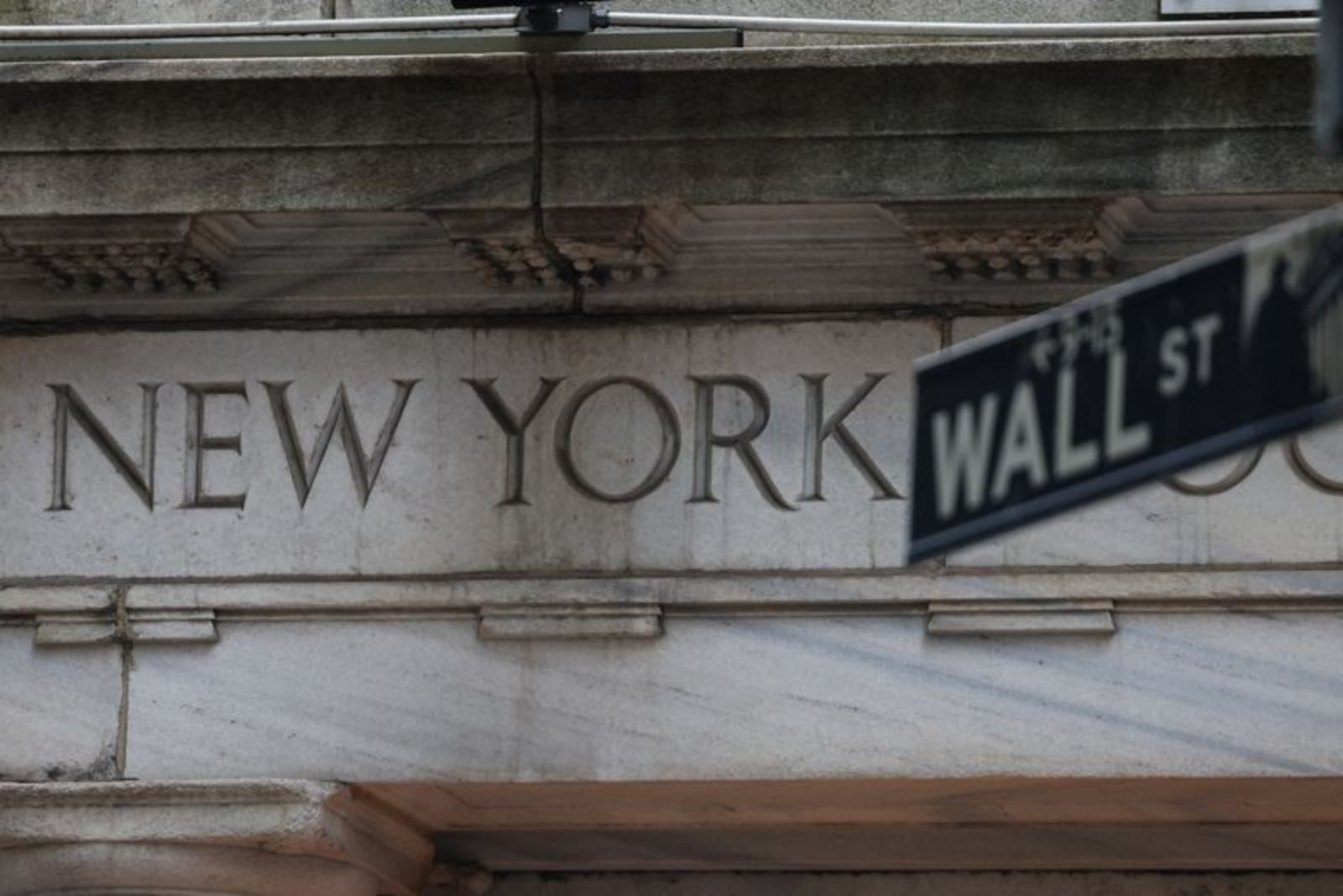
The company is expected to begin trading on the New York Stock Exchange under the symbol "AGBK" on Wednesday. Goldman Sachs, Morgan Stanley and Citigroup are listed as the global coordinators for the offering.
This scaled-back U.S. IPO illustrates persistent sensitivity in investor demand for new listings from Brazil, particularly among fintech and digital banking names where recent underperformance by peers has influenced pricing and deal structure decisions.