
Adyen and Uber announced a broadening of their existing payments partnership, with Adyen taking on additional payment-processing responsibilities for Uber in new territories and expanding local acquiring services in a number of established markets.
The companies said Adyen will now support Uber’s payments in several newly added regions, including the United Arab Emirates, Hong Kong, and multiple Caribbean jurisdictions. Separately, Uber will leverage Adyen’s local acquiring capabilities in Japan, Mexico, New Zealand, and Australia.
Part of the updated arrangement includes support for country-specific and alternative payment options through Adyen’s platform. Examples named by the companies include Pix for transactions in Brazil, AfterPay for customers in Australia, and WeChat Pay availability on a global basis.
Following the announcement, Adyen shares moved higher, climbing 2.8% on Monday.
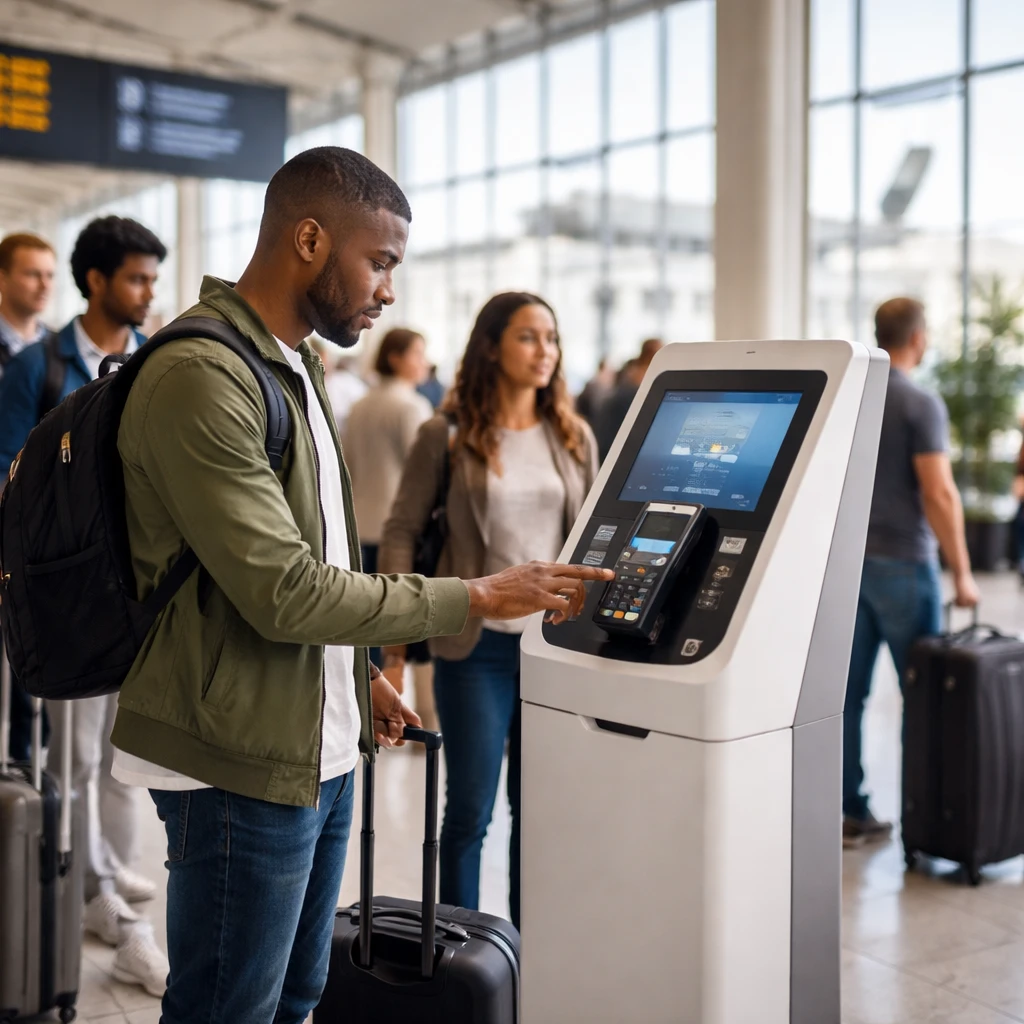
The two firms also unveiled a physical payment option designed to enable bookings without a smartphone. Using Adyen terminals, the newly introduced kiosks let customers book Uber trips at the terminal itself. The initial kiosk was installed at LaGuardia Airport, and the rollout is planned to expand to hotels, ports, and international airports.
The statement released by the companies did not include any financial details or terms of the expanded agreement.
Context and implications
By extending its footprint into additional countries and enabling local acquiring in other major markets, Adyen is positioned to process a broader array of Uber transactions through locally supported rails and payment instruments. The inclusion of local payment methods signals an emphasis on meeting regional customer preferences via Adyen’s processing stack. The phone-free kiosk initiative demonstrates a push to provide alternative, physical access points for booking rides at travel hubs and hospitality locations.
While specific commercial terms were not disclosed, the market reaction to the announcement was visible in Adyen’s share price move. The statement did not provide further operational or financial metrics.