
Stock Markets February 24, 2026

ADT to Buy Origin AI for $170 Million to Add Camera-Free AI Sensing

Acquisition brings over 200 patents and a non-visual motion-classification platform into ADT’s connected-home offerings

By Caleb Monroe ADT
ADT to Buy Origin AI for $170 Million to Add Camera-Free AI Sensing
ADT

ADT Inc. is purchasing Origin Wireless, known as Origin AI, in a $170 million cash deal, subject to customary purchase price adjustments. The transaction adds Origin’s AI sensing platform and more than 200 global patents to ADT’s home security portfolio. The technology classifies motion and detects humans without using cameras, audio, or wearables and is expected to power presence, occupancy and context-aware features when integrated. ADT says commercialization of products built on the platform will start in 2027 and will discuss the deal on a March 2 conference call covering fourth quarter and full year 2025 results.

Key Points

  • ADT is acquiring Origin AI for $170 million in cash, with customary purchase price adjustments.
  • Origin’s platform enables motion classification and human detection without cameras, audio, or wearables and brings more than 200 global patents into ADT.
  • ADT plans to commercialize new offerings using Origin’s AI sensing technology beginning in 2027 and will discuss the deal on a March 2 conference call covering fourth quarter and full year 2025 results.

ADT Inc. has agreed to acquire Origin Wireless, Inc., doing business as Origin AI, for $170 million in cash, subject to customary purchase price adjustments. The transaction brings Origin’s AI sensing stack and a portfolio of more than 200 global patents into ADT’s installed home security and services ecosystem.

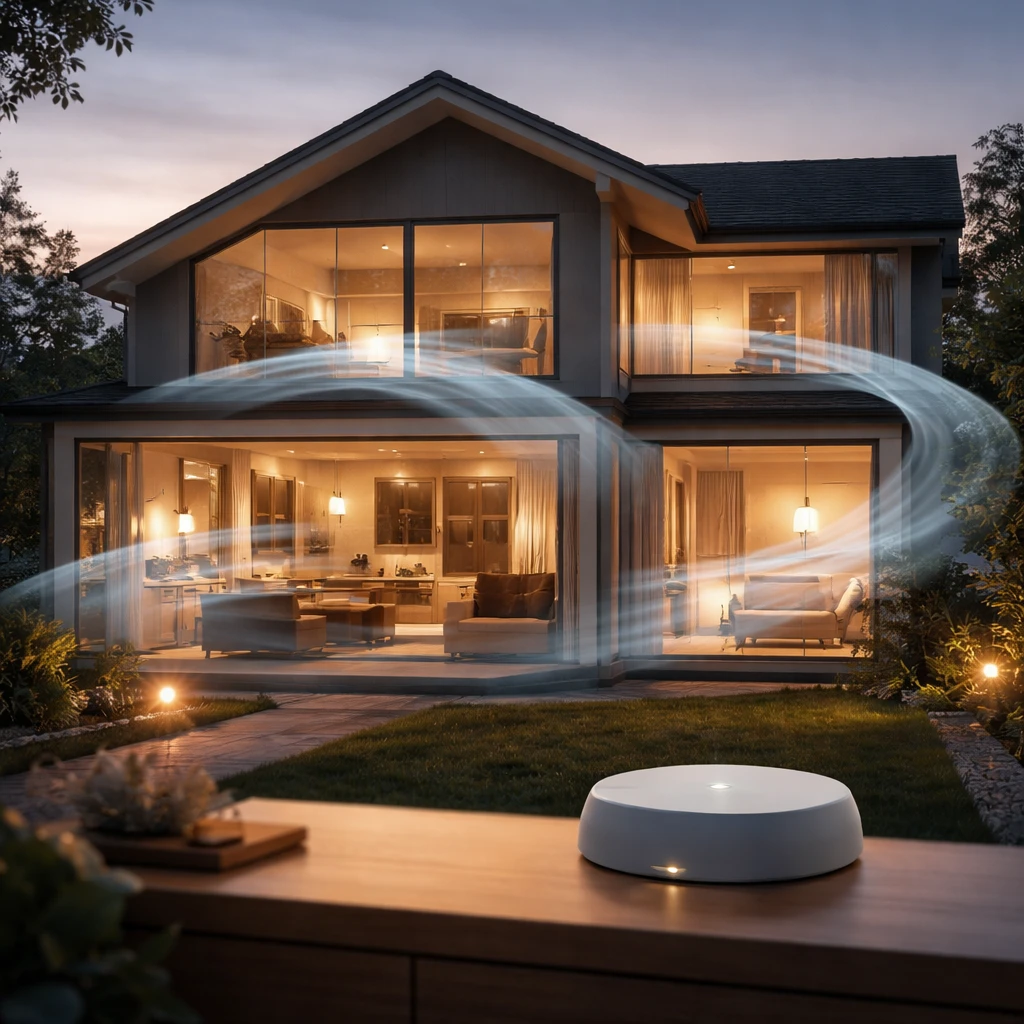
Origin’s platform performs motion classification and detects human presence using a non-visual, non-audio approach that does not rely on cameras, microphones or wearable devices. ADT says the technology can provide information on presence, occupancy, motion and related activity inside residences once it is integrated into the company’s systems.

In a prepared statement, ADT Executive Vice President and Chief Business Officer Omar Khan framed the acquisition as advancing the company’s strategy to create a safer, smarter home that "understands context, recognizes risk, and provides peace of mind, all while protecting customer privacy." ADT outlined intended uses for the AI sensing capabilities that include verifying human presence, classifying types of motion and adding contextual data to alarm events.

ADT expects the acquired technology to help reduce false alarms, improve municipal compliance and enhance coordination with first responders. The company also highlighted potential consumer-facing applications including occupancy-based automation, solutions to support aging in place, and health monitoring features across connected homes.

According to ADT, products and services that incorporate Origin’s AI sensing technology are targeted to begin commercialization in 2027. The company said it will hold a conference call at 10 a.m. ET on March 2 to discuss fourth quarter and full year 2025 financial results and to provide further details on the acquisition.

The purchase price, integration timeline and stated applications were presented by ADT as part of its broader effort to augment its home security offering with privacy-first sensing capabilities. The transaction includes the transfer of Origin’s intellectual property and its sensing software into ADT’s product roadmap, with commercial rollout planned several years out.


Additional details

  • Deal price: $170 million in cash, subject to customary purchase price adjustments.
  • Intellectual property: more than 200 global patents included.
  • Commercialization timeline: ADT expects to begin offering products using the technology in 2027.
  • Conference call: 10 a.m. ET on March 2 to discuss Q4 and full year 2025 results and the acquisition.

Risks

  • Integration and commercialization timing - ADT’s stated rollout of Origin’s technology is scheduled for 2027, creating execution and timeline risk for product launches; this affects the home security and smart-home product markets.
  • Regulatory and municipal compliance uncertainty - while ADT expects the technology to reduce false alarms and improve municipal compliance, the actual impact on relationships with local public safety authorities remains uncertain; this has implications for public safety and municipal services.
  • Reliance on technology adoption - the planned applications such as occupancy-based automation, aging in place solutions, and health monitoring depend on successful household adoption and integration into ADT’s ecosystem, which introduces consumer demand and deployment risk impacting connected-home and eldercare markets.

More from Stock Markets

Athens bourses slip as banks, telecoms and household names weigh; index down 0.64% Feb 24, 2026 Thomson Reuters Shares Jump After CoCounsel Reaches One Million Users Feb 24, 2026 DA Davidson Initiates Rubrik at Buy, Sees Pullback as Attractive Entry Point Feb 24, 2026 Transport Canada Clears Remaining Gulfstream Models After U.S. Tariff Threat Feb 24, 2026 AMD and IBM Drive Mega-Cap Strength as Market Shows Wide Divergence Feb 24, 2026