
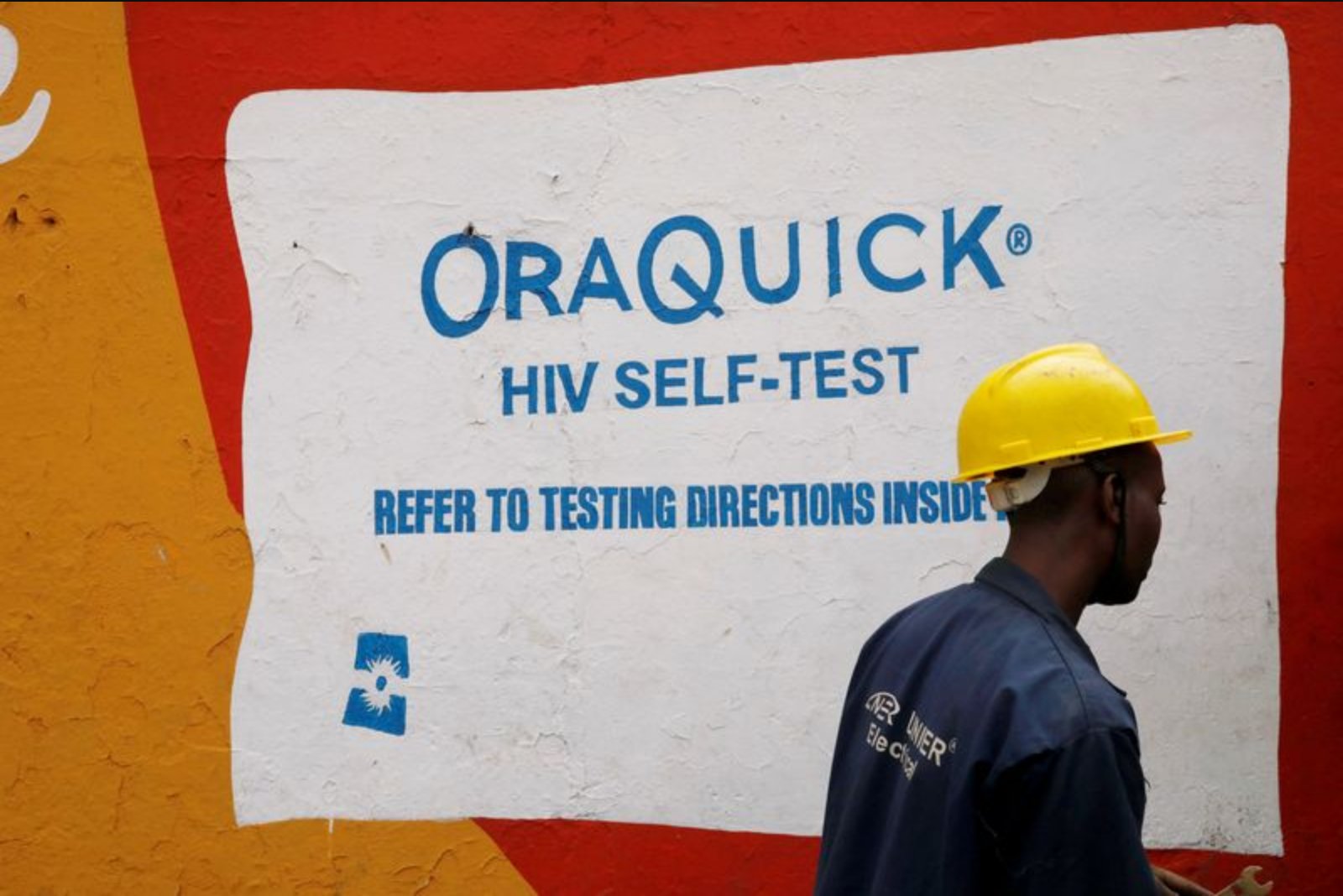
Altai Capital Management, an activist investor, has formally asked OraSure Technologies to consider selling the company and has requested two seats on its board to oversee a potential strategic review, according to a letter sent to OraSure’s directors.
In the note, Altai President and Chief Investment Officer Rishi Bajaj framed the case for a sale as a way to unlock value for shareholders. Bajaj wrote that after transaction costs, his firm estimates OraSure could be worth between $4.54 and $6.60 per share in a sale - representing a 42% to 109% premium to the company’s current share price.
Altai owns roughly 5% of OraSure and says it moved to escalate pressure after what Bajaj described as months of unproductive discussions with the company’s management and board. The hedge fund has again asked that Bajaj and a second Altai executive be invited to join OraSure’s six-person board. In the letter, Altai warned it will continue a proxy fight if the parties fail to reach a settlement.
Stock performance and recent results
OraSure’s shares have suffered a prolonged slide, losing 73% of their value over the past five years, a decline Altai links to shrinking demand for COVID-19 rapid antigen tests. The stock fell nearly 5% on Tuesday, closing at $2.98.
The company reported a 29% year-over-year drop in fourth-quarter revenue in February, and has indicated it expects U.S. regulatory clearance for new diagnostic products in 2026.
Shareholder attention has climbed since Altai formally nominated Bajaj and industry executive John Bertrand to the board in mid-January, with the stock rising roughly 18% after those nominations.
Company response and other potential bidders
OraSure responded in a statement saying it is "successfully executing a focused strategy designed to improve operating performance, strengthen margins, and position the business for revenue acceleration and long-term value." The company also noted that its full board has been refreshed over the last six years and said it has made "multiple settlement offers."
The letter and subsequent reporting also referenced interest from a separate potential buyer. Sources familiar with the matter told the company earlier this year that entrepreneur Ron Zwanziger reconfirmed his interest in acquiring OraSure. In June, Zwanziger proposed a purchase price in the $3.50 to $4.00 per share range but was rebuffed. Altai and Zwanziger are not collaborating, the parties said.
Governance and strategic criticisms
Bajaj argued the board needs new directors, saying the company has "dramatically underperformed." He faulted the board for not holding management accountable for the share-price decline and pointed out that much of Chief Executive Carrie Eglinton Manner’s compensation is not linked to share-price performance.
Altai also singled out acquisitions and investments it considers ill-timed. The letter criticized OraSure’s 2024 purchase of Sherlock Biosciences - aimed at widening the company’s molecular diagnostics pipeline - and its investment in Sapphiros for exclusive distribution of next-generation products. Bajaj said these moves were poor uses of capital given the company’s current capacity utilization.
OraSure had said in 2024 that Sherlock would expand its portfolio of rapid diagnostics for sexually transmitted infections and noted that testing for Chlamydia trachomatis and Neisseria gonorrhea represented a market of more than $1.5 billion, while also acknowledging the tests still required regulatory approval.
On a recent earnings call, Chief Financial Officer Kenneth McGrath said the company is operating at roughly 30% of its manufacturing capacity. Bajaj argued in the letter that, with that level of spare capacity, it would have made more sense to acquire an established business that could absorb production volume rather than invest in early-stage ventures that lack near-term output.
"It is imperative for the Company to reduce its cash burn and safeguard itself against further misuses of cash, including additional value-destructive investments and acquisitions," the letter stated.
Market context
Altai’s critique of recent strategic moves is set against a fragmented point-of-care diagnostics industry. While many companies provide rapid, real-time testing for things such as cholesterol, flu and pregnancy, the largest market share is held by major diagnostic and life sciences firms. The article notes the sector includes large competitors that capture much of the market.
Altai’s actions come as shareholders weigh the company’s operational performance, capital allocation choices and governance structure while OraSure attempts to execute its turnaround plan and pursue regulatory milestones for new products.
What happens next
Altai has signaled readiness to pursue a full proxy contest if OraSure does not accede to its requests for board representation and a strategic review. OraSure says it remains focused on improving results and exploring settlements it deems appropriate.
The final outcome will depend on continued shareholder sentiment, any negotiations between the parties, and progress on OraSure’s operational and regulatory objectives.