
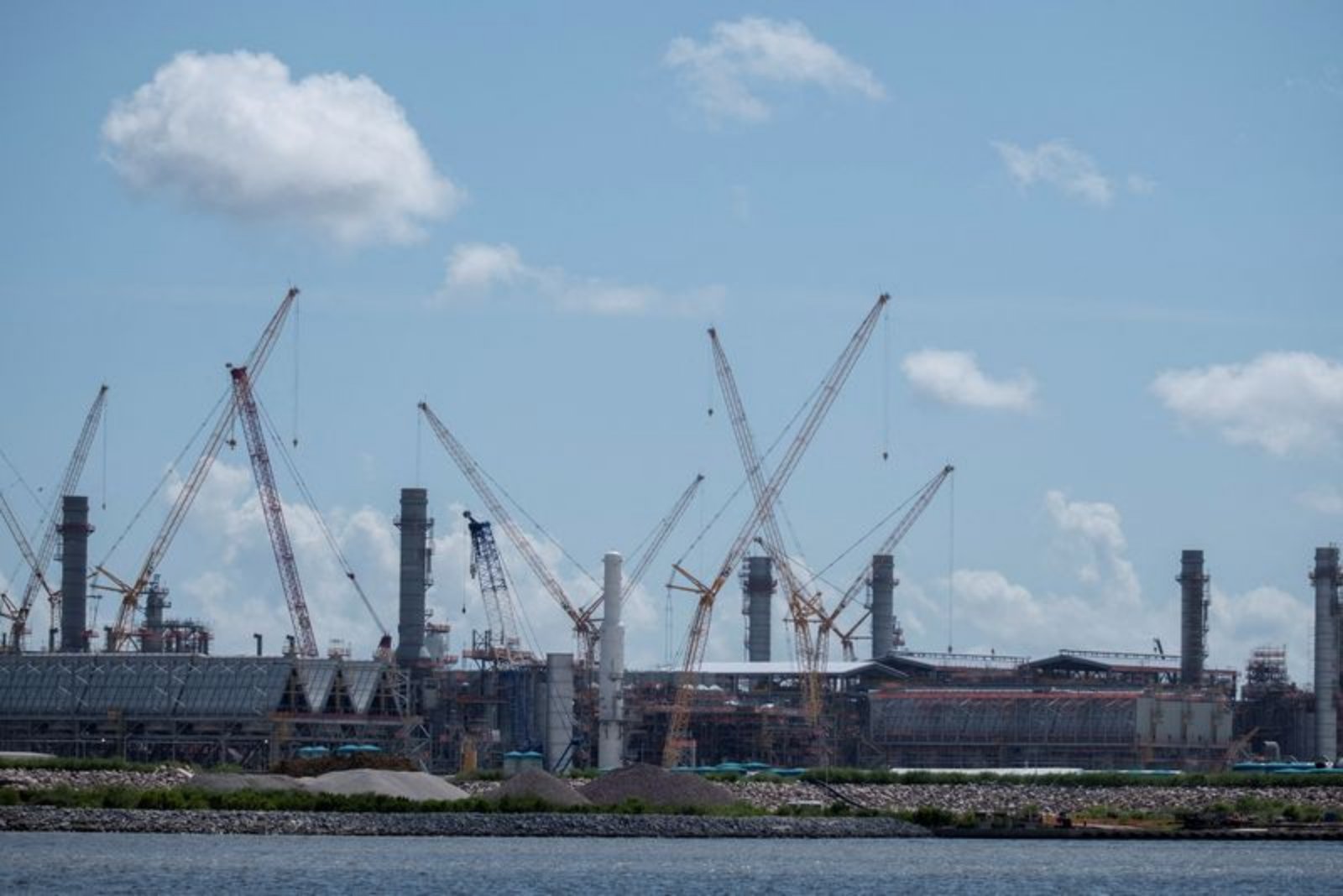
Ten years after the first export cargo of liquefied natural gas left Louisiana, the United States has transformed into the leading global supplier of ultra-cooled gas, and its growth trajectory shows few signs of slowing. The expansion that began with a landmark shipment in 2016 has accelerated, with industry and government data pointing to further, large increases in liquefaction capacity on the horizon.
The initial commercial cargo from the lower 48 states departed on February 24, 2016, when Cheniere Energy shipped LNG from its Sabine Pass facility. That delivery marked the start of a new chapter for U.S. LNG, following earlier, limited exports from Alaska. Over the decade that followed, the United States moved to the forefront of global LNG supply.
According to combined data from LSEG and the U.S. Energy Information Administration, the United States is now processing roughly 18 billion cubic feet per day of natural gas into LNG. This metric—feedgas volumes converted from wellhead cubic feet into liquefied tonnes at export facilities—reflects the scale of the U.S. position in the global market.
The EIA has pointed to several factors behind the rise of U.S. LNG exports: abundant domestic natural gas supply and reserves, flexible commercial contract structures that appeal to international buyers, and comparatively low feedgas costs. The agency also noted that higher international demand, particularly from Europe following Russia’s invasion of Ukraine, and an investment climate supportive of infrastructure build-out have underpinned the rapid expansion of export capacity.
Market participants have been explicit about planned growth. The EIA reported that U.S. LNG developers and exporters have announced intentions to increase U.S. liquefaction capacity to 28.7 billion cubic feet per day by 2029, up from 11.4 billion cubic feet per day at the start of 2024. That planned scale-up represents a sizable acceleration of liquefaction capability within a relatively short time frame.
Two of the world’s three largest LNG exporters are headquartered in the United States: Cheniere and Venture Global LNG. Cheniere said it has invested $50 billion across a decade to expand two export facilities and is targeting a doubling of output to 100 million metric tonnes per annum by the mid-2030s. The company noted that operational capacity at the end of 2016 was roughly 9 million tonnes per annum; today it is approximately 52 million tonnes per annum and rising as Corpus Christi Stage 3 trains are brought online.
Industry executives also caution that the pace of sector growth may outstrip the underlying gas market. Shell Chief Executive Wael Sawan was quoted as saying the LNG sector is expanding at around 3% per year, a rate that he suggested exceeds growth in the broader gas market. Whether global demand will keep pace with planned supply additions remains an open question for market participants and policymakers.
As U.S. exporters press forward with project execution, the balance between faster capacity additions and world market absorption will determine near-term pricing dynamics and the economics of new facilities. Observers note that current U.S. export momentum has been supported by a combination of domestic supply conditions, commercial structure, and increased international demand, but the long-term equilibrium will depend on how these drivers evolve relative to announced capacity increases.
Summary - Over the past decade the United States has grown into the top global LNG supplier after the first lower-48 export in February 2016. With roughly 18 bcfd of feedgas being liquefied today and announced plans to reach 28.7 bcfd by 2029, U.S. export capacity is set to rise sharply. Companies such as Cheniere have invested heavily to expand output, but questions remain about whether global demand will absorb the additional supply.