
U.S. President Donald Trump is weighing the option of authorizing a targeted military strike against Iran in the coming days, according to people familiar with internal administration discussions. Those same sources say the administration could escalate to a larger operation if diplomatic efforts do not persuade Tehran to abandon its nuclear weapons capability.
Officials briefed on the deliberations describe an initial, limited use of force as a means to increase pressure on Iran. Potential objectives being discussed include facilities associated with the Islamic Revolutionary Guard Corps, parts of Iran's nuclear infrastructure and components of its ballistic missile program.
Diplomatic engagement remains on the calendar. Negotiators from Washington and Tehran are due to meet in Geneva on Thursday in what participants view as a final attempt to avert military confrontation. While no final decisions have been reached, people close to the discussions say the president has been leaning toward demonstrating military pressure if the talks collapse.
Administration officials are also considering a possible diplomatic off-ramp that would allow Iran to retain a highly limited nuclear enrichment program for strictly medical research. It is not clear whether either side would accept that kind of compromise, the people familiar with the discussions said.
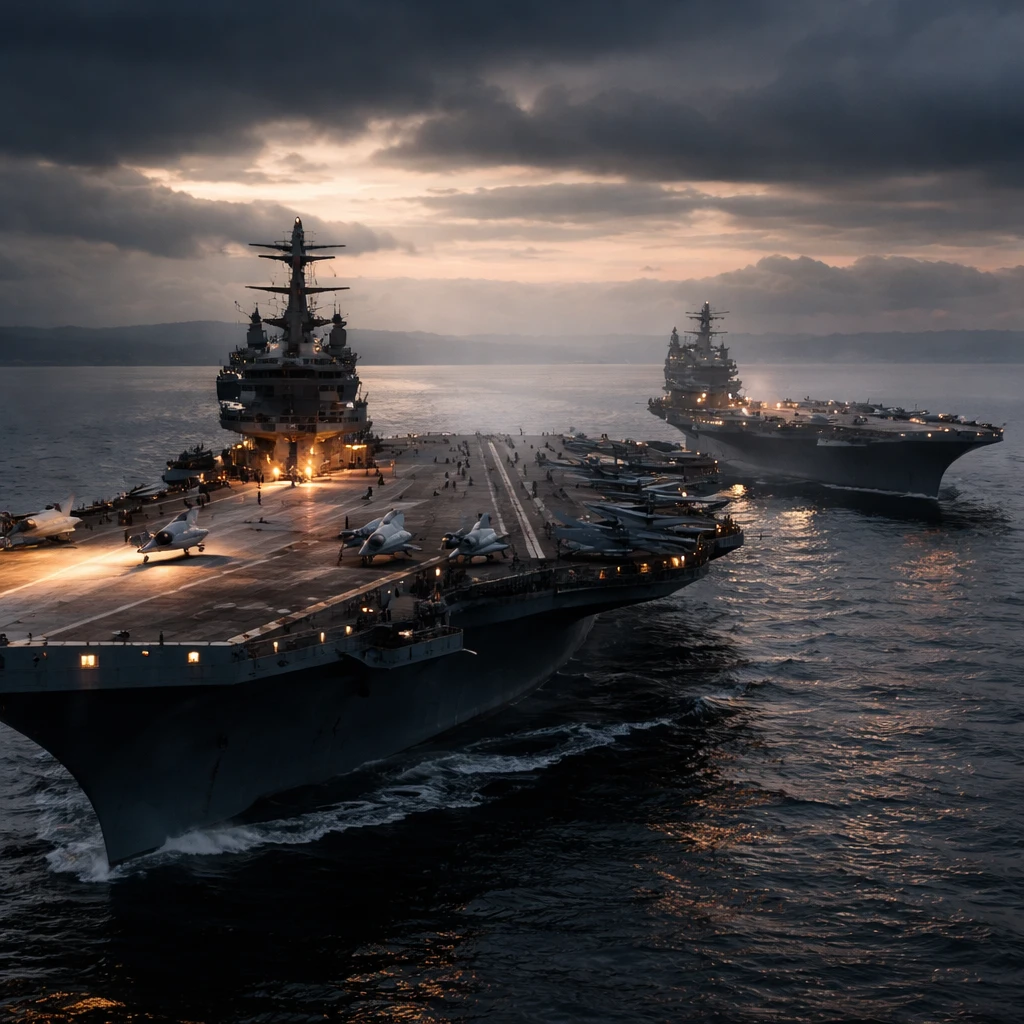
The United States has repositioned significant forces within striking distance of Iran. Those deployments include two aircraft carrier groups along with fighter jets and bombers, a show of heightened military readiness described by officials involved in planning.
Within the administration there is debate about the effectiveness of airstrikes as a standalone strategy. Some officials question whether strikes alone could secure broader political goals, such as weakening Iran's leadership, while others view a demonstration of force as a lever to influence Tehran's calculus.
The White House declined to comment directly on the president's decision-making, stating only that speculation about future actions remains premature. That response reflects ongoing internal deliberations and the contingent nature of any potential military plan.
Context note: The planning, deployments and diplomatic meetings are part of active discussions inside the administration about how to address concerns over Iran's nuclear program while leaving open the possibility of a negotiated resolution.