
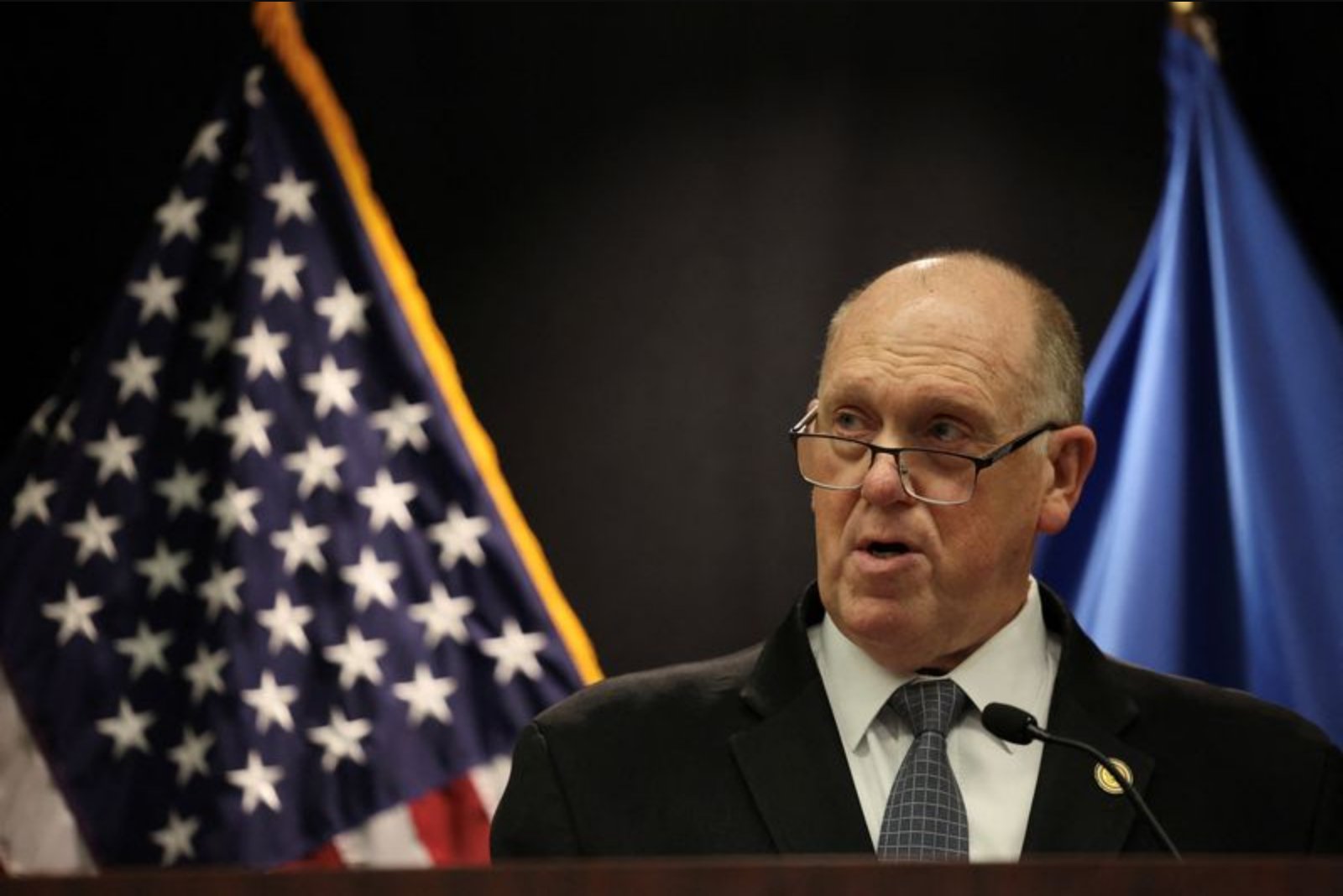
Tom Homan, the White House official tasked with overseeing border policy, on Sunday rejected Democratic proposals to overhaul U.S. Immigration and Customs Enforcement, describing those requests as "unreasonable" and stressing that he personally was not involved in talks that would link ICE reform to funding for the Department of Homeland Security.
Homan's comments came during an appearance on CBS News' "Face the Nation," where he pushed back against a package of demands Democrats delivered earlier this month to top Republican congressional leaders. The Democrats' list contains 10 specific items aimed at changing ICE practices, including ending racial profiling in stops, banning officers from wearing masks that obscure their identities, and prohibiting agents from entering private homes without a judicial warrant.
Responding to allegations of racial profiling, Homan said ICE officers do not single out people based on race and make stops on the basis of "reasonable suspicion." The article referenced a Supreme Court ruling from last year that allows officers to consider factors such as brown skin or speaking Spanish when deciding to stop someone.
On the subject of masks, Homan defended agents' use of face coverings, saying they are needed to protect officers by concealing identities. Critics, however, have pointed out that most U.S. law enforcement officers perform duties without face coverings, a contrast they view as notable in assessing ICE tactics.
The standoff over ICE reforms is unfolding against a backdrop of a partisan dispute over DHS funding. Democrats have pushed for reforms as a condition for backing a spending bill to fund the department, while Republicans have accused Democrats of grandstanding by refusing to support the legislation. DHS slipped into a partial funding lapse on Saturday, though the department continues to function because the bulk of its operations have been designated essential.
Political figures weighed in on the debate over the weekend. On "Fox News Sunday," Democratic Senator Chris Coons of Delaware said public outcry had persuaded the White House to enter negotiations on ICE even though DHS still retains funding for some period. On CNN's "State of the Union," Republican Senator Markwayne Mullin of Oklahoma called the Democrats' strategy "political theater," accusing them of not negotiating in good faith.
Negotiations face another practical hurdle: both chambers of Congress are scheduled to be on recess this week, creating the possibility that talks could remain at a standstill while lawmakers are away. The combination of partisan accusations and the congressional schedule has left the timing and progress of any deal uncertain.
Context note: The reporting here is constrained to the factual statements and claims described above. Where details are limited in the statements made by officials and lawmakers, those limitations are reflected rather than supplemented.