
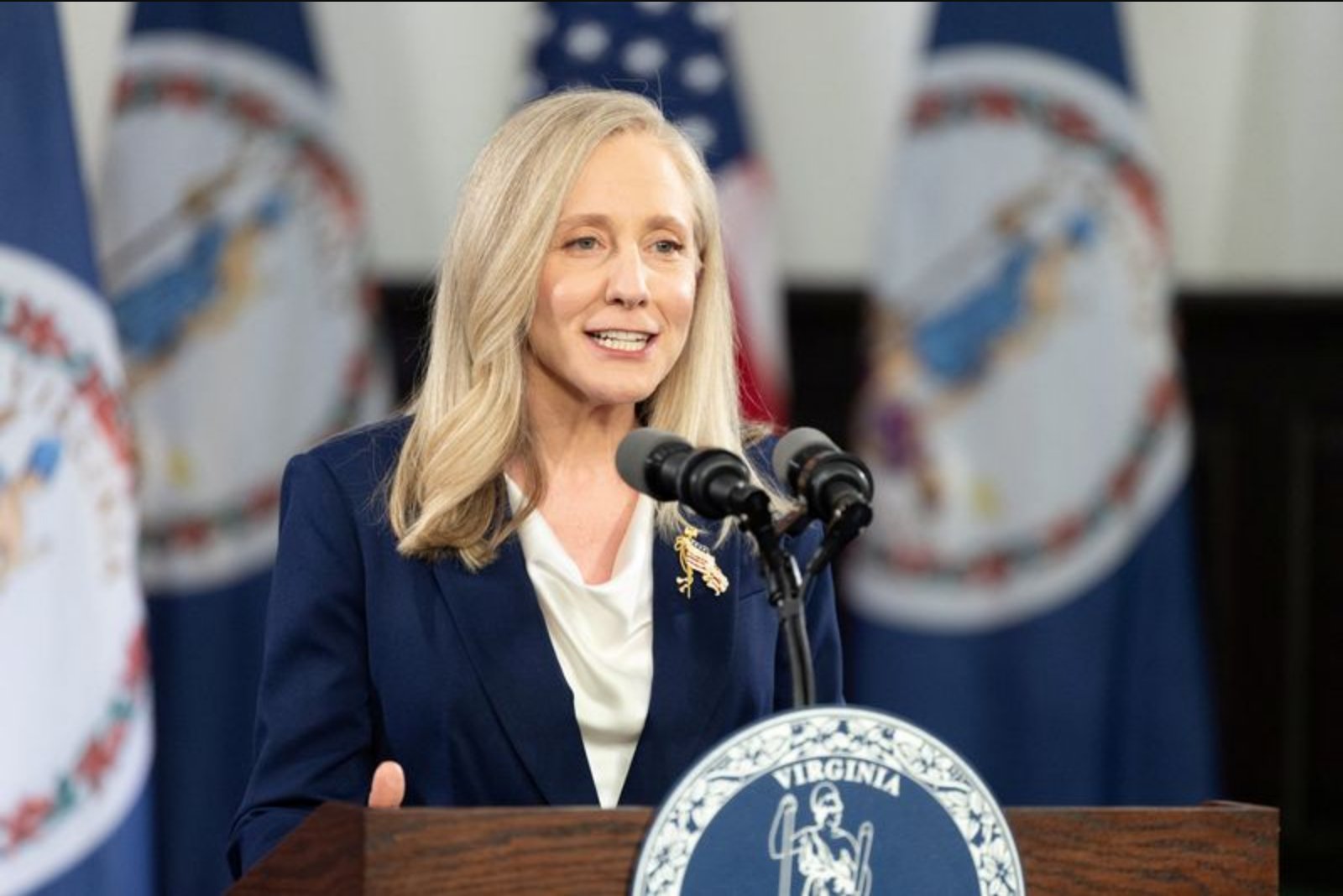
Virginia Governor Abigail Spanberger took the Democratic response to the president's State of the Union address and used the platform to challenge the administration's claims about the economy and to condemn its immigration enforcement tactics.
Spanberger, who was sworn in last month as Virginia's first woman governor, addressed the nation from the House of Burgesses in Williamsburg - a venue she noted predates the U.S. Declaration of Independence and its 250th anniversary, which the president referenced repeatedly in his speech. She framed her remarks around the contrast between the president's depiction of an economic turnaround and the reality she says Americans are experiencing at the checkout line.
The governor emphasized that consumers continue to face high prices even after the president promised in 2024 that he would make life more affordable. She presented that gap between promise and reality as a core Democratic theme that will feature in efforts to win back control of both the U.S. House of Representatives and the Senate in the November midterm elections.
Spanberger directly disputed the president's assertion that his tariff program is the centerpiece of an economic recovery. She argued that tariffs have had damaging knock-on effects, particularly for the farm sector. "Farmers have suffered, some losing entire markets," she said, pointing to retaliatory actions from countries that had been important buyers of American soybeans and other commodities. She also said tariffs have raised the cost of fertilizers and other inputs needed to grow U.S. crops.
Alongside her economic critique, Spanberger sharply criticized the administration's immigration enforcement methods. Citing public opinion polling that she said shows a majority of Americans do not support the administration's deportation tactics, she charged that federal agents have been sent into U.S. cities - including Minneapolis - without sufficient training and have detained American citizens without judicial warrants.
"They have ripped nursing mothers away from their babies," she said. "They have sent children, a little boy in a blue bunny hat, to far-off detention centers and they have killed American citizens in our streets."
Spanberger's remarks underscored two themes Democrats intend to emphasize in the run-up to the midterms: the affordability challenges facing consumers and the human and legal consequences of the administration's immigration operations. She positioned those issues as evidence that the president has used his office in ways that, in her view, serve his own interests rather than those of everyday voters.
Her political background as a moderate who previously flipped Republican-held seats to Democratic control in both the U.S. House and the Virginia governorship informed the tone of the response. The address combined economic critique with pointed accounts of enforcement actions to make a case that these are central issues for voters headed into November.
Contextual note: The speech came after the president spent the first portion of his State of the Union address praising what he described as an economic comeback and highlighting his use of tariffs on foreign goods as a key policy tool.