
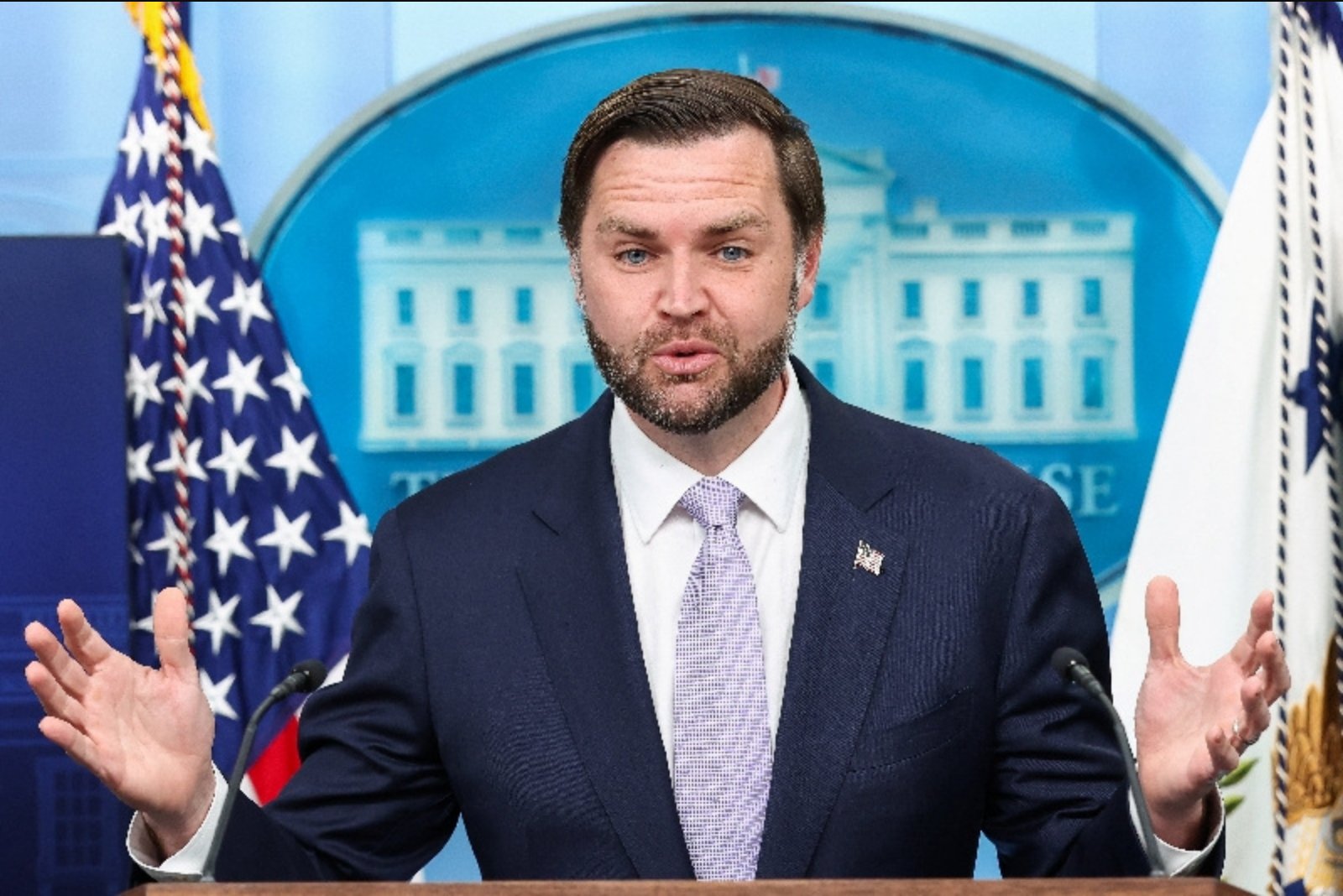
WASHINGTON - In a high-profile appearance that resembled an informal audition for future leadership, Vice President JD Vance took the White House briefing room podium on Tuesday, stepping in for press secretary Karoline Leavitt, who is on maternity leave. The session came two weeks after Secretary of State Marco Rubio addressed the same forum, and both outings have intensified speculation about potential successors to President Donald Trump in 2028.
Vance spent nearly an hour answering reporters on a wide array of topics, aiming many of his defenses at initiatives and decisions from the Trump administration that have drawn public scrutiny. He robustly defended the administration's approach to the Iran war and sought to justify the establishment of a new $1.8 billion fund designed to compensate allies who believe they were politically prosecuted. At times he pushed back on reporters' framing of sensitive issues, including declining to rule out the possibility of using taxpayer funds to compensate individuals convicted of assaulting police officers during the January 6, 2021 attack on the U.S. Capitol.
On questions about President Trump's recent purchases of stock, Vance dismissed suggestions of corruption, calling such characterizations "absurd." His answers were delivered in a comparatively measured tone, a contrast to the president's more confrontational style, and he occasionally appeared bemused as reporters packed the briefing room, shouting and talking over one another to attract his attention. "Marco's right, this really is chaos," he observed at one point.
Two podiums, similar aims
Both Vance and Rubio used their briefing room turns to mount defenses of the administration's Iran policy, an issue that has already begun to erode President Trump's public standing and that is expected to shadow the political prospects of both men. Rubio's appearance two weeks earlier was noted for its smooth delivery, including quips and a reference to 1990s hip-hop to illustrate Iran's negotiating posture. Rubio's aides quickly repurposed one of his answers into a State Department-produced campaign-style video, showing him saying he hoped America would be a place where "anyone from anywhere can achieve anything."
Vance and Rubio are widely regarded within Republican circles as potential contenders for the 2028 nomination. At a Rose Garden dinner last week, President Trump fanned that speculation by polling guests directly. "Who likes JD Vance?" he asked. "Who likes Marco Rubio?" Both names drew strong applause. Trump said the two men on a joint ticket would make "a perfect ticket" while stressing that it was too early for him to endorse either man. "That does not mean you have my endorsement under any circumstance," he added.
Economic and political backdrop
The Iran war, which began on February 28, has had tangible effects on energy markets and everyday costs, according to information discussed at the briefings. The conflict has shut down a significant portion of global oil trade and contributed to a roughly 50% rise in U.S. gasoline prices, developments that have heightened concern among Republicans defending congressional majorities in the November midterm elections.
Public sentiment toward the president has declined amid these concerns. A poll published on Tuesday showed President Trump's approval sliding toward its lowest level since returning to the White House, with a notable portion of Republicans unhappy with his handling of cost-of-living issues. The same poll recorded 34% of respondents with a favorable view of Vance and 33% favoring Rubio. By comparison, a poll from January 2025 put Vance's favorability at 42% among respondents.
Vance's posture and messaging
A former Marine who has previously argued against prolonged U.S. involvement in foreign wars, Vance sought to reassure Americans worried about rising prices that the conflict would not be open-ended. "This is not a forever war," he said. "We're going to take care of business and come home."
When a reporter labeled him "a potential future candidate," Vance interrupted to correct the premise. "I'm not a potential future candidate," he said. "I'm a vice president, and I really like my job, and I'm going to try to do as good of a job as I can." His insistence underlined the delicate balance he and Rubio have tried to strike - appearing ready and capable on national security and policy while publicly downplaying immediate presidential ambitions.
What this means for investors and policymakers
The twin podium appearances underscore the political jockeying inside the administration as energy prices and the Iran conflict alter the political terrain. For market participants and policymakers, the events highlight ongoing sources of political risk that could influence energy markets, defense-related spending, and investor sentiment. How the administration addresses these concerns will likely remain a focus in coming months as public opinion responds to economic pressures linked to the conflict.
Vance's briefing room stint, delivered in the stead of the press secretary, was part policy defense and part high-visibility performance. As speculation about the 2028 succession continues, both his and Rubio's public profiles are likely to remain central to Republican calculations and to the broader political debate over the administration's direction.