
WASHINGTON, March 18 - The nation’s top intelligence official informed a Senate panel on Wednesday that U.S. intelligence has not identified a foreign threat targeting the forthcoming congressional elections in November. The testimony, delivered by the Director of National Intelligence Tulsi Gabbard, did not cite any foreign effort to influence the midterms despite years of U.S. intelligence findings that other countries have sought to sway American voters.
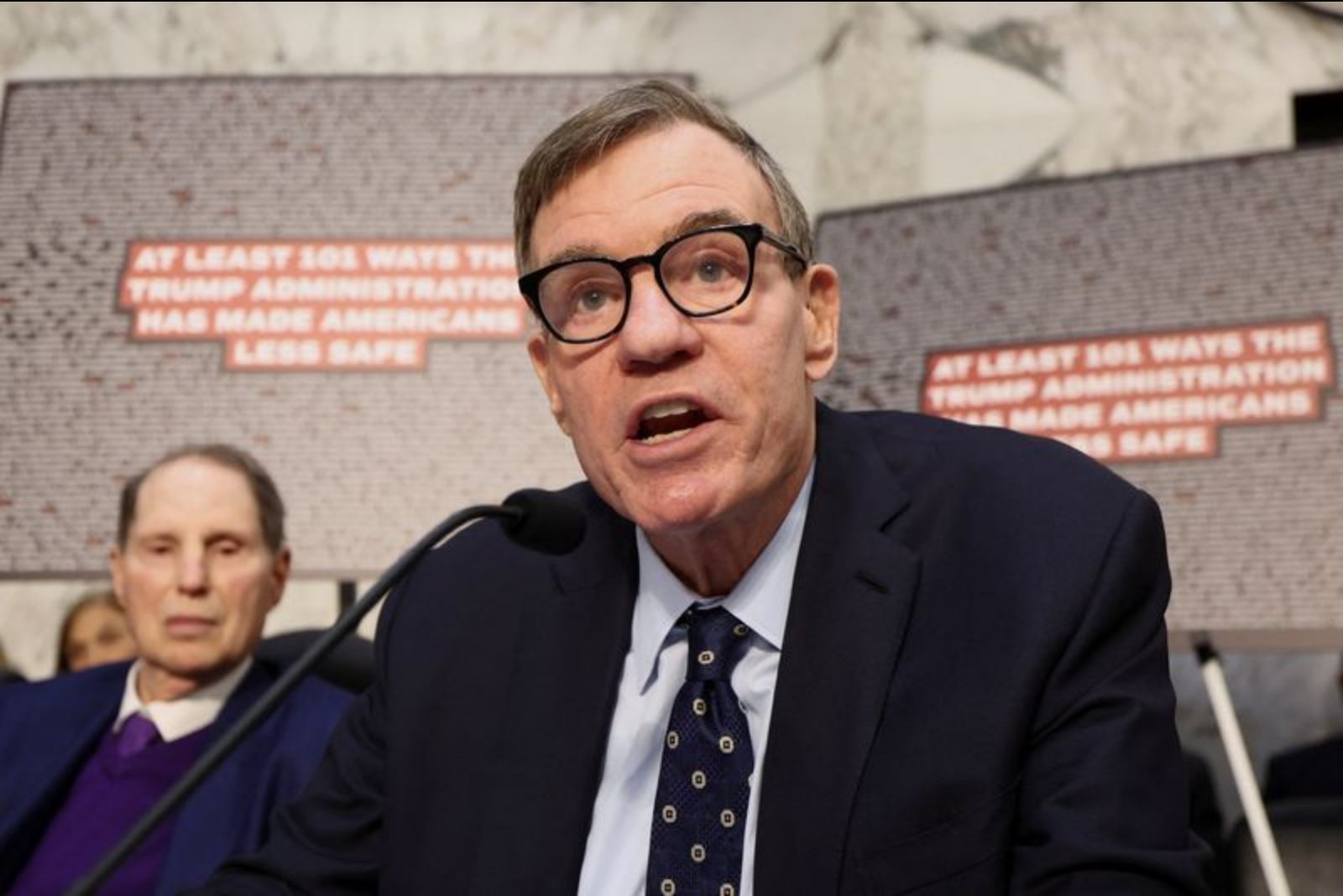
At a hearing of the Senate Intelligence Committee, Democratic Senator Mark Warner, the panel’s vice chairman, noted that this latest public threat assessment marked the first time since 2017 that the annual report did not mention foreign election interference. He pressed the DNI directly about the absence of such warnings.
"Are you saying there is no foreign threat to our elections in the midterms this year?" Warner asked.
Gabbard responded by emphasizing ongoing monitoring: "The intelligence community has been and continues to remain focused on any collection and intelligence that show a potential foreign threat," she said.
Warner used his opening remarks to criticize both the broader intelligence community and Gabbard personally. He said intelligence agencies failed to respond to repeated committee requests for a briefing on credible foreign threats to the midterms. According to Warner, that lack of engagement with the committee raised concern about whether the intelligence community was actively mobilized to address foreign influence efforts.
Warner also questioned Gabbard’s conduct in matters tied to domestic election administration. He cited instances in which Gabbard had involved herself in election-related activities, including efforts to seize voting machines in Georgia and in Puerto Rico. Those actions, he argued, amounted to a diversion of national security resources from countering foreign threats.
The senator pointed to an incident earlier this year in Georgia. In January, Gabbard was present at an FBI search of an election facility in Fulton County. She said at the time that she attended at the request of then-President Donald Trump and that her presence fell within her authority. Warner and others on the intelligence panels had raised concerns about that involvement.
The FBI’s search focused on the Fulton County Election Hub and Operation Center amid investigations tied to claims that the 2020 presidential election had been affected by widespread fraud. Those claims were described in the hearing as false.
Warner argued there was no foreign nexus to justify the involvement of the nation’s top intelligence official in those domestic actions. "There was no foreign connection to justify the involvement of our nation’s top spy. Instead, the predicate for the warrant was a slop of debunked conspiracy theories," he said. He added that if the intelligence community is not being deployed to counter foreign threats, its deployment on domestic matters raises questions about proper use of its authorities.
The senator further suggested that such deployment of intelligence resources toward domestic political disputes could aid what he called former President Trump’s efforts to exert control over upcoming elections, describing those efforts as unconstitutional.
The exchange occurred against a backdrop of long-standing U.S. findings that foreign actors have sought to influence American elections through information and cyber operations. In past public assessments, U.S. agencies have cited countries including Russia, China and Iran as having attempted to exert influence. The 2016 Russian interference effort, which preceded the presidential victory of Donald Trump, has been widely documented by intelligence agencies and congressional inquiries, and that history framed senators’ concerns during the hearing.