
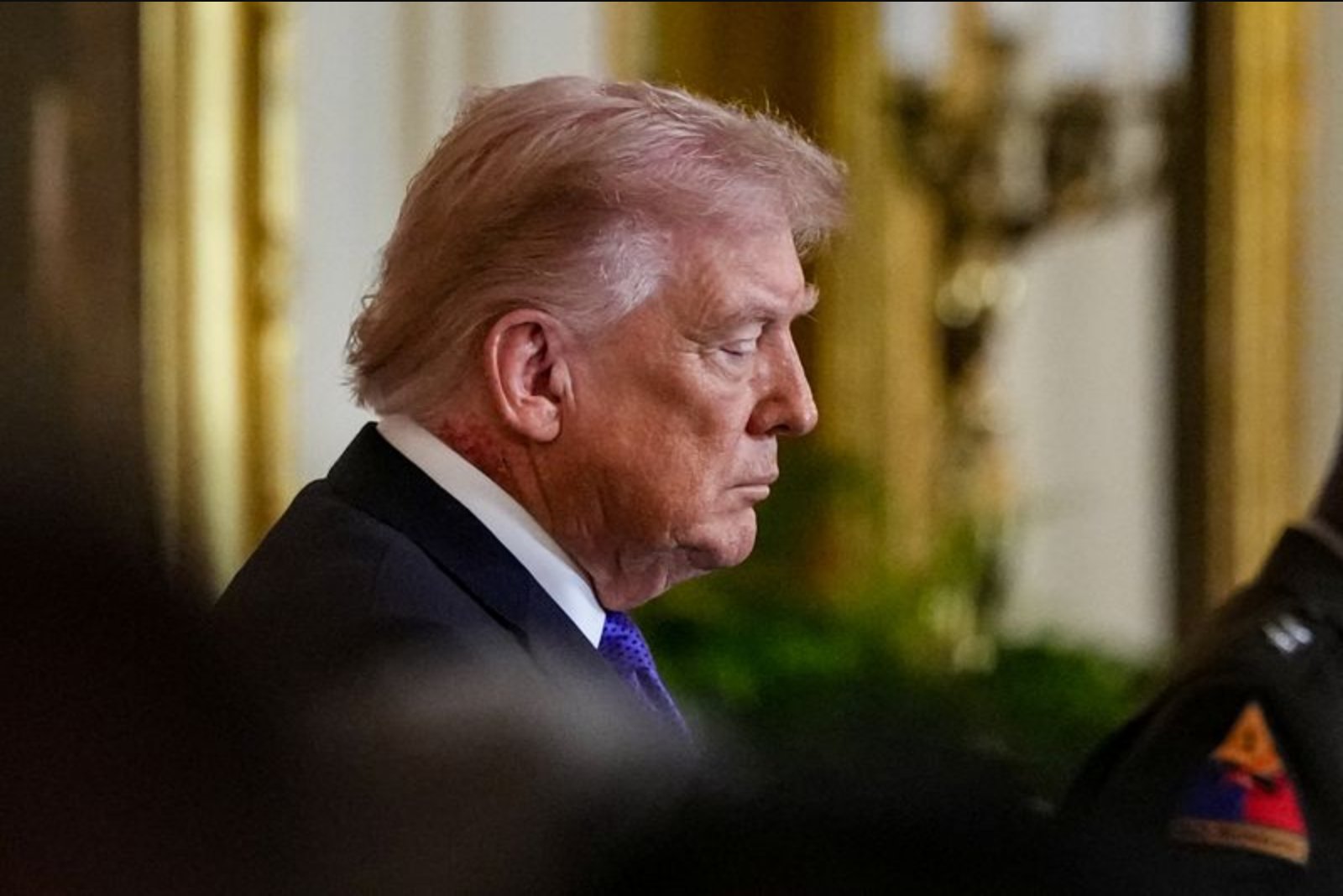
President Donald Trump said on Monday that he will attend and speak at the White House Correspondents Association's annual dinner in April, accepting an invitation that names him as the event's honoree. The president made the announcement on his social platform, saying the association had asked him "very nicely" to receive the honor and that it would be his "Honor to accept their invitation."
The decision marks a reversal of the president's recent practice of staying away from the gathering, which he skipped during his first term and again last year. His absence had underscored a strained dynamic between the administration and many members of the press corps.
For years, the president has criticized the dinner as elitist and hostile to his administration. He has repeatedly attacked journalists and encouraged his supporters to shun mainstream media organizations. Those public positions were a central factor in his decision to avoid the event as president.
The dinner itself has a long-established place in Washington social and political life. Held each year since 1924, the annual event often brings together journalists, government officials and celebrities for an evening that blends political satire with remarks that traditionally affirm press freedom and the First Amendment. The gathering is sometimes referred to as "Washington's prom."
While President Trump has not attended the dinner as an incumbent president, he did appear at the event in 2011 as a guest during the administration of then-President Barack Obama. That appearance is remembered in part because the host delivered a series of jokes directed at Trump, creating a widely viewed moment in Washington's political culture.
The event has not been without controversy. In 2018, comedian Michelle Wolf delivered a performance that sharply criticized President Trump, members of his administration and the media. The routine prompted backlash from some journalists and political figures. In the years that followed, the White House Correspondents Association curtailed its use of comedians as headliners and shifted toward featuring speakers whose remarks focused more explicitly on journalism and public service.
By accepting the invitation to be the honoree and to speak at this year's dinner, the president is ending a visible period of nonparticipation in the long-running Washington forum that assembles news organizations, public officials and cultural figures in a single evening of speeches and satire.
Details:
- Announcement made on the president's social platform.
- President skipped the dinner during his first term and last year.
- Event historically mixes satire with speeches about press freedom and the First Amendment.