
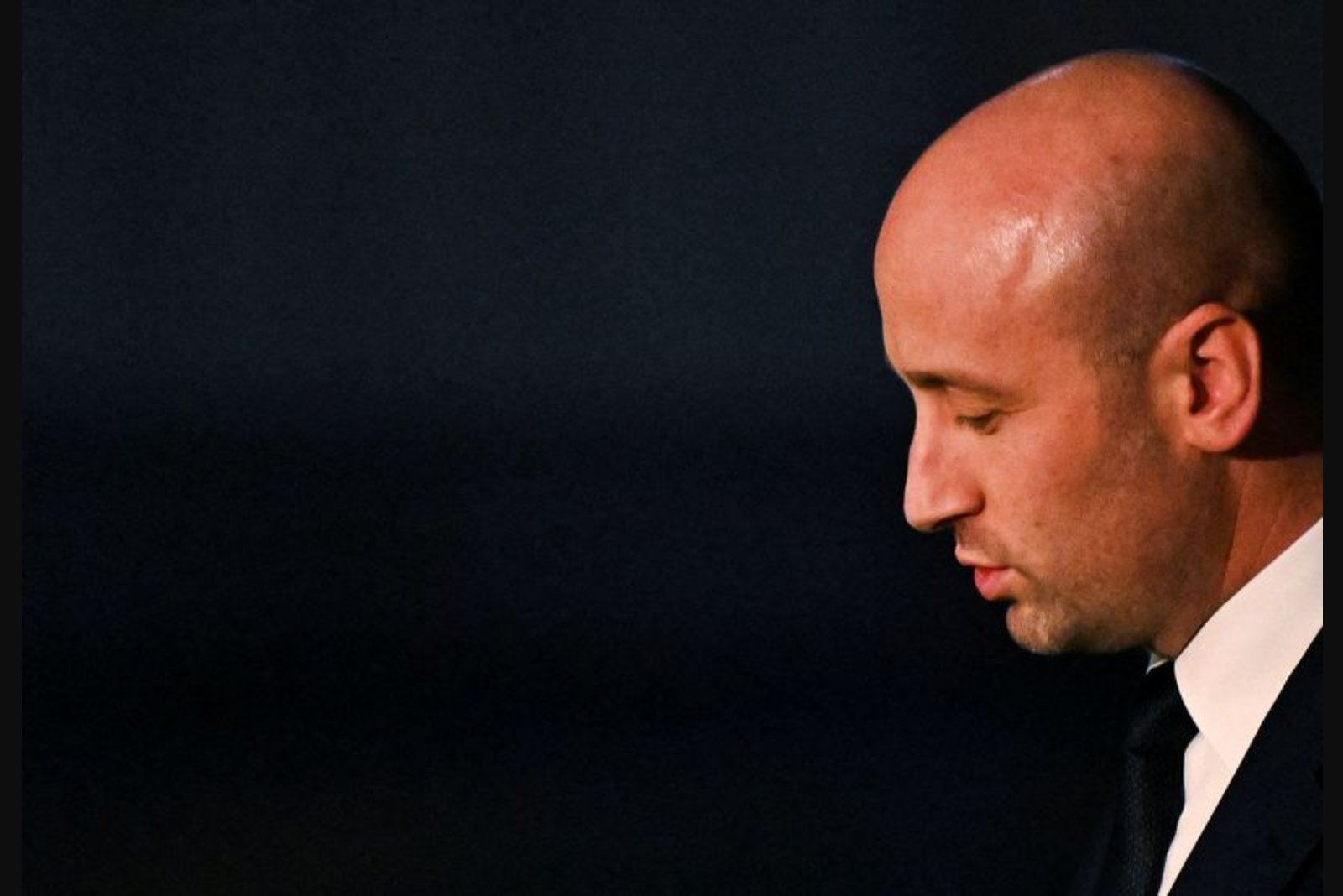
WASHINGTON, March 6 - The White House is poised to maintain an uncompromising immigration agenda following the abrupt dismissal of Homeland Security Secretary Kristi Noem, officials and lawmakers say, with White House deputy chief of staff Stephen Miller continuing to steer policy and a new nominee who aligns with the administration’s approach awaiting confirmation.
The president relieved Noem of her DHS duties on Thursday after months marked by disputes over the methods her department deployed, congressional scrutiny of government contracts, and internal disorder within the department. Multiple current and former U.S. officials and lawmakers briefed on the matter described Miller as the central figure managing immigration strategy in the administration.
One official, speaking on condition of anonymity to discuss internal dynamics, summed up the situation succinctly: "Stephen is a survivor." That official emphasized that Noem’s removal reflected criticism of how the administration’s enforcement policies were carried out rather than a rejection of the administration’s restrictive immigration goals.
A White House official responding to a request for comment framed Miller’s role broadly, saying he helps coordinate a wide array of matters "from immigration to counter-cartel operations" and is "working to ensure the President’s policy agenda is implemented." The Department of Homeland Security and the office of Senator Markwayne Mullin, the president’s nominee for DHS secretary, did not reply to requests for comment.
Immigration has been a central plank in the president’s return to the White House, and his 2024 campaign emphasized tighter control of the U.S. border and stepped-up removals. Public polling had shown immigration as one of his most resilient issues following the election, though more recent polls indicate that support for the administration’s aggressive enforcement tactics in American cities has eroded in recent months.
Republicans maintain narrow majorities in both chambers of Congress heading into midterm elections in November, and the politics of enforcement are playing into broader budget and funding disputes on Capitol Hill.
Administration posture
White House spokesperson Karoline Leavitt posted on X about Noem’s dismissal, insisting the president’s immigration objectives would continue uninterrupted. "President Trump’s immigration agenda is keeping our border secure and deporting illegal alien criminals from our country, and it will continue without interruption," she wrote.
Under Noem’s tenure, DHS deployed thousands of federal immigration agents to cities led by Democratic mayors, including Los Angeles, Chicago and Minneapolis. Those deployments featured highly visible operations in residential neighborhoods and public spaces such as parking lots frequented by day laborers. After two U.S. citizens, Renee Good and Alex Pretti, were shot and killed by federal agents in Minneapolis, the administration announced it would shift toward a less public-facing, "targeted" approach to arrests.
Federal immigration officials, both current and former, said there had been no immediate, formal policy reversal announced after Noem’s exit, but several predicted the administration would steer away from high-profile surges into urban areas given the controversy surrounding the Minneapolis shootings.
Mullin’s profile and alignment
Senator Markwayne Mullin, 48, who entered the Senate in 2023 after serving a decade in the U.S. House, is viewed as closely aligned with the president on border security. Like Noem, Mullin is a rancher; he operates a cattle ranch in Oklahoma that also serves as a wedding venue and houses other business ventures.
In the Senate, Mullin has been distinctive in both style and behavior. He has at times presided over sessions wearing a wide, light-colored cowboy hat and has drawn attention for an incident in 2023 when he rose during a hearing to challenge Teamsters President Sean O’Brien to "stand your butt up" and fight. On policy, he supported a Republican-backed funding package last year that allocated $170 billion for immigration enforcement through September 2029 and has publicly backed core elements of the president’s enforcement platform.
Republican senators welcomed the nomination. "He’s strong on the border and that’s what we need," Senator Eric Schmitt of Missouri told reporters, and added, "The deportations will continue." The Homeland Security post requires a Senate majority to confirm a nominee.
Controversy and congressional response
Noem faced intense criticism from both parties after quickly labeling the Minneapolis killings of Good and Pretti as "domestic terrorism" before investigations concluded. Mullin echoed a characterization of Pretti as a serious threat, saying on Fox News on January 24 that Pretti was "a deranged individual" who had a loaded pistol and intended "to cause max damage." That first-person account came the day Pretti was killed.
Democrats in Congress reacted to Noem’s dismissal with cautious approval but stressed that the administration’s overall enforcement strategy still required adjustment. They have blocked DHS funding since mid-February in an effort to pressure the White House to soften enforcement methods and alter tactics perceived as heavy-handed.
Senator Chris Murphy of Connecticut, a Democrat, said funding negotiations are being driven by the White House and expressed skepticism that Noem’s removal would change the department’s direction. "I think we’re better off without her, but she wasn’t running the department," Murphy said on Thursday. "Stephen Miller runs that department and will continue to run the department so I don’t really think much will change."
What remains uncertain
Officials and lawmakers agree on one point: the policy objectives articulated by the president remain intact, even as the tactics and public posture of DHS are being scrutinized and adjusted. How the department will balance more targeted enforcement with political pressure in the run-up to November’s midterms - and how Congress will respond in funding negotiations - remain open questions.
As the White House prepares to nominate Mullin, attention will focus on the Senate confirmation process and whether Democrats and some Republicans press for changes to enforcement practices before approving a new secretary.