
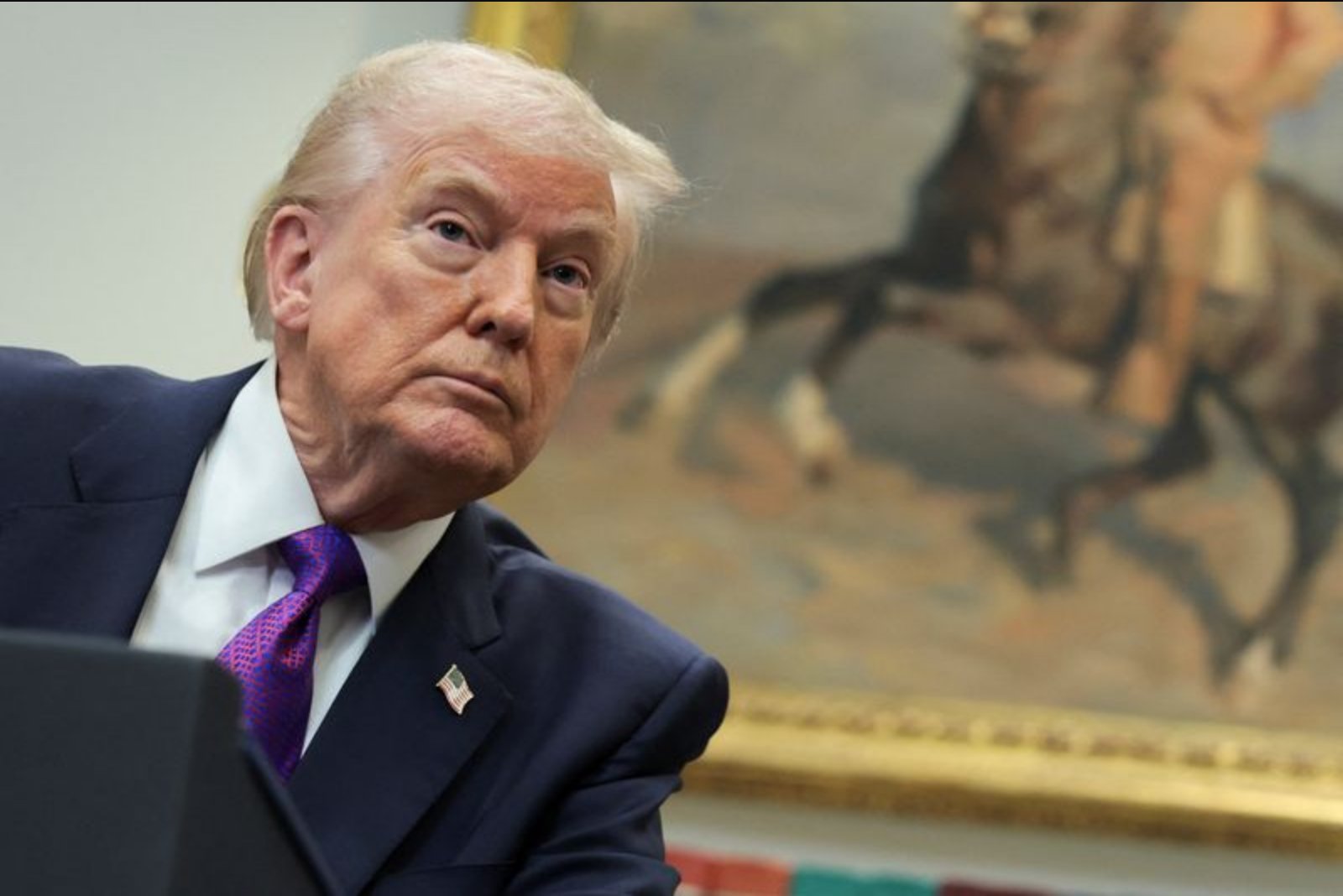
U.S. President Donald Trump is anticipated to participate in the Future Investment Initiative (FII) conference that Saudi Arabia will stage in Miami from March 26-29, people familiar with the plans said. The expected attendance would mark the president's second consecutive appearance at the FII platform since his return to the White House.
According to two people who asked not to be identified because they were not authorized to speak publicly, Trump is slated to attend a dinner on the event's opening day hosted by Yasir Al-Rumayyan, governor of Saudi Arabia's sovereign wealth fund, the Public Investment Fund (PIF). The FII Institute, the Saudi government and the White House did not immediately respond to requests for comment.
Trump's planned engagement with the FII program signals the priority his administration places on strengthening economic ties with Gulf partners. The two countries previously finalised a set of investment and defence agreements during a meeting between the crown prince and Trump in November, commitments that included Riyadh increasing its pledged investment in the United States to $1 trillion - a rise from the $600 billion of deals announced during the president's visit to Saudi Arabia in May.
Saudi strategy shifts toward private capital
The potential high-profile presence by the U.S. president arrives as Saudi Arabia recalibrates its Vision 2030 economic transformation blueprint. Faced with a shortage of funding for some of the large-scale projects originally envisaged under the programme, Saudi officials have been moving to attract more private-sector involvement after early plans were heavily reliant on government financing.
Organisers and Saudi authorities view the FII Miami event as an opportunity to court business leaders and investors from North and South America at a moment when Riyadh is repositioning its economic agenda and seeking broader buy-in for its development priorities.
Regional dynamics and competition
The Miami gathering is also set against a backdrop of intensifying rivalry between Saudi Arabia and the United Arab Emirates, two Gulf states that have traditionally been close but have grown increasingly competitive over economic and strategic priorities. The UAE has expanded rapidly across sectors such as finance and technology, a development that has created friction with Saudi ambitions under Vision 2030.
FII's expansion beyond its main fall conference in Riyadh - a flagship event often described as the kingdom's marquee investment forum - to host events in other global cities is part of a broader push to raise Saudi Arabia's international investment profile. The FII platform is now positioned to compete with other major international gatherings, including conferences organised in other Gulf hubs and beyond.
As Saudi officials pivot toward private partners, the Miami forum is likely to be watched closely by investors and market participants for signals about the kingdom's ability to crowd in private funding, and for indications of how its economic and strategic rivalry with regional neighbours may shape future investment flows.
The FII Institute, the Saudi government and the White House had not provided comment on the president's expected plans at the time of reporting.