
Politics March 10, 2026

Trump-backed contender falls short in Georgia special election; runoff scheduled next month

No candidate won a majority in the crowded 14th District contest; Clay Fuller, Colton Moore and Democrat Shawn Harris emerge as leading contenders

By Leila Farooq
Trump-backed contender falls short in Georgia special election; runoff scheduled next month

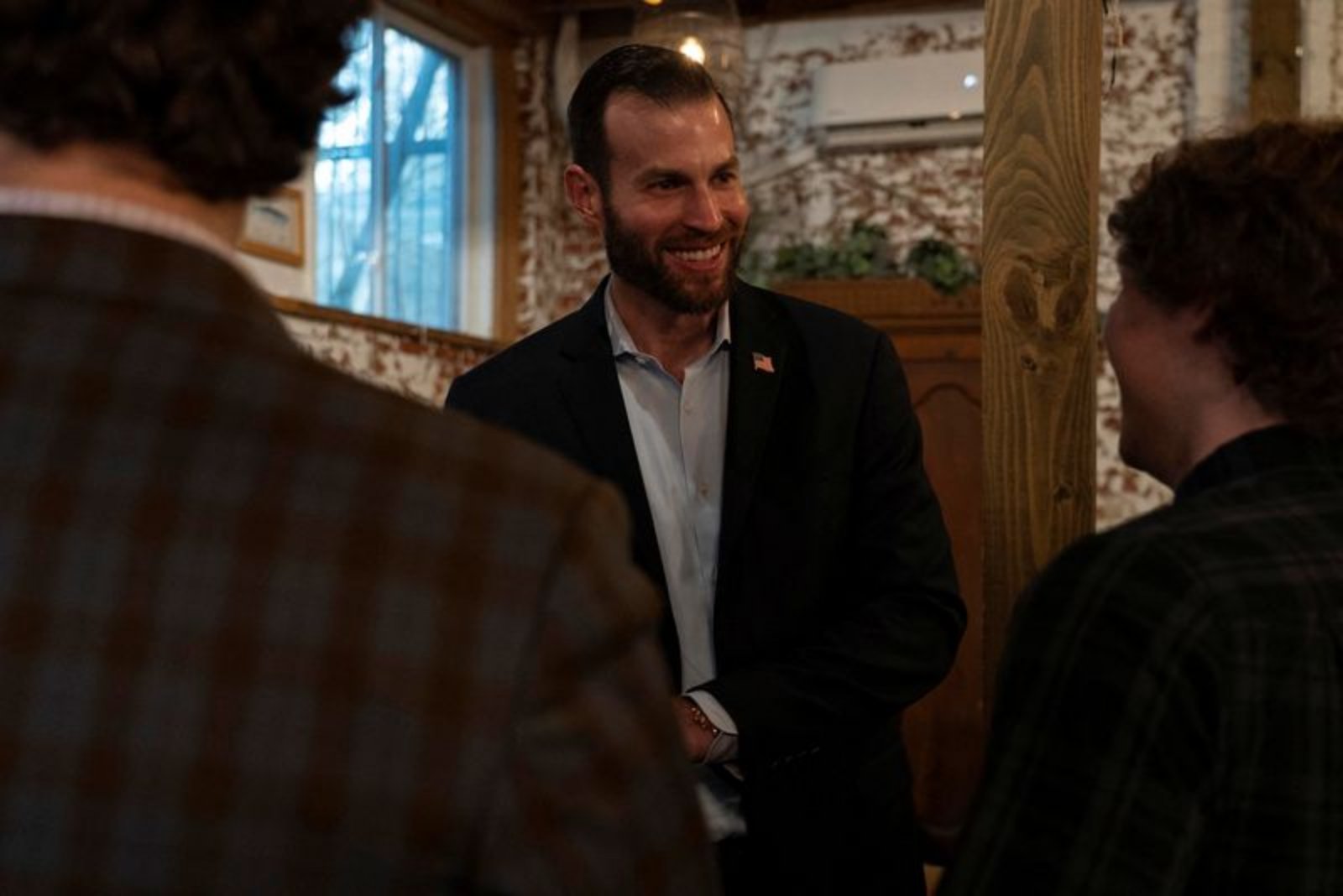
A special election in Georgia to fill the U.S. House seat vacated by Marjorie Taylor Greene will proceed to a runoff after no candidate received an outright majority. Former district attorney Clay Fuller, who had President Donald Trump’s backing, did not secure a majority in a 17-candidate field. Fellow Republican Colton Moore and Democrat Shawn Harris were among the top contenders projected to advance.

Key Points

  • No candidate won a majority in the 17-person special election, forcing a runoff next month - this affects political uncertainty in the district and could influence investor sentiment in politically sensitive sectors such as defense and infrastructure.
  • Trump-backed Clay Fuller was among the leading contenders but failed to secure an outright victory, potentially indicating a test of former President Trump's influence ahead of the November general election - this has implications for political strategy and campaign-related spending.
  • The winner will serve through the end of 2026 but must immediately campaign for the full two-year term beginning January 2027, starting with a May primary - this means sustained political activity and fundraising in the district through the next campaign cycle.

March 10 - The special election in Georgia to select Marjorie Taylor Greene's successor in the U.S. House of Representatives will move to a runoff next month after no candidate captured a majority of votes, media projections indicated on Tuesday. The outcome comes from a field of 17 contenders vying to represent Georgia's 14th Congressional District.

President Donald Trump had endorsed former district attorney Clay Fuller, who previously served four northwest Georgia counties, but Fuller did not clear the 50% threshold required to win outright. Projections showed Fuller among the leading figures, alongside fellow Republican Colton Moore, a hard-right former state senator, and Shawn Harris, a moderate Democrat who attempted to attract disaffected Trump supporters.

The contest has taken on national significance after Greene abruptly left her House seat in January following an acrimonious split with Trump. Her departure opened a high-profile vacancy in what had become one of the most visible congressional roles within the Make America Great Again movement, prompting an intense and closely watched special election.

Georgia's 14th Congressional District stretches from the exurban outskirts of Atlanta northward to the Tennessee border. The district, described in coverage as a mostly blue-collar corridor, drew heightened attention in 2020 when Greene won the seat decisively, turning a reliably Republican area into a focal point for the party's populist wing.

Observers are treating the special election as an informal gauge of Trump's influence within the Republican base ahead of the November general election. Fuller's inability to secure an outright majority in the initial balloting has been interpreted by some as a potential sign of softness in that influence, although the final test will come in the runoff.

The victor in the special election will serve the remainder of Greene's term through the end of 2026. However, the winner will immediately need to campaign for the full two-year term that begins in January 2027. That campaign cycle starts with a May primary that could feature many of the same candidates who competed in the special election.


Contextual note - The runoff will determine who occupies the 14th District seat for the remainder of the current term, while also setting up the immediate pathway to the May primary for the subsequent full term.

Risks

  • Uncertain outcome in the runoff could prolong political volatility in the district, affecting local policy priorities and any federal funding or projects influenced by the district's representation - this impacts sectors sensitive to federal appropriations such as infrastructure and regional development.
  • The race is being viewed as a test of Trump’s hold on the Republican base; unclear signals about that influence increase political risk heading into the November general election, potentially affecting market sentiment in sectors tied to regulatory and fiscal policy decisions.
  • Because the special election winner must immediately run in a May primary for the full term, sustained campaigning could divert attention from legislative duties and delay constituency-focused initiatives, creating uncertainty for stakeholders dependent on timely representation.

More from Politics

Trump State Department Nominee Withdraws After Controversial Comments Prompt GOP Dissent Mar 10, 2026 Republican Representative Reiterates Anti-Muslim Remarks, Drawing Broad Condemnation Mar 10, 2026 Senators Raise Alarm Over Possibility of U.S. Ground Troops in Iran Mar 10, 2026 Trump Signals Conflict Winding Down; Strategist Says Risks Persist Mar 10, 2026 Wolfe: Trump Appears to Be Accelerating Toward an Exit From the Iran Conflict Mar 10, 2026