
Politics March 3, 2026

Trump Ally Michael Whatley Secures GOP Nomination in North Carolina Senate Primary

Whatley to face Democrat Roy Cooper in a high-stakes November contest that could influence Senate control

By Leila Farooq
Trump Ally Michael Whatley Secures GOP Nomination in North Carolina Senate Primary

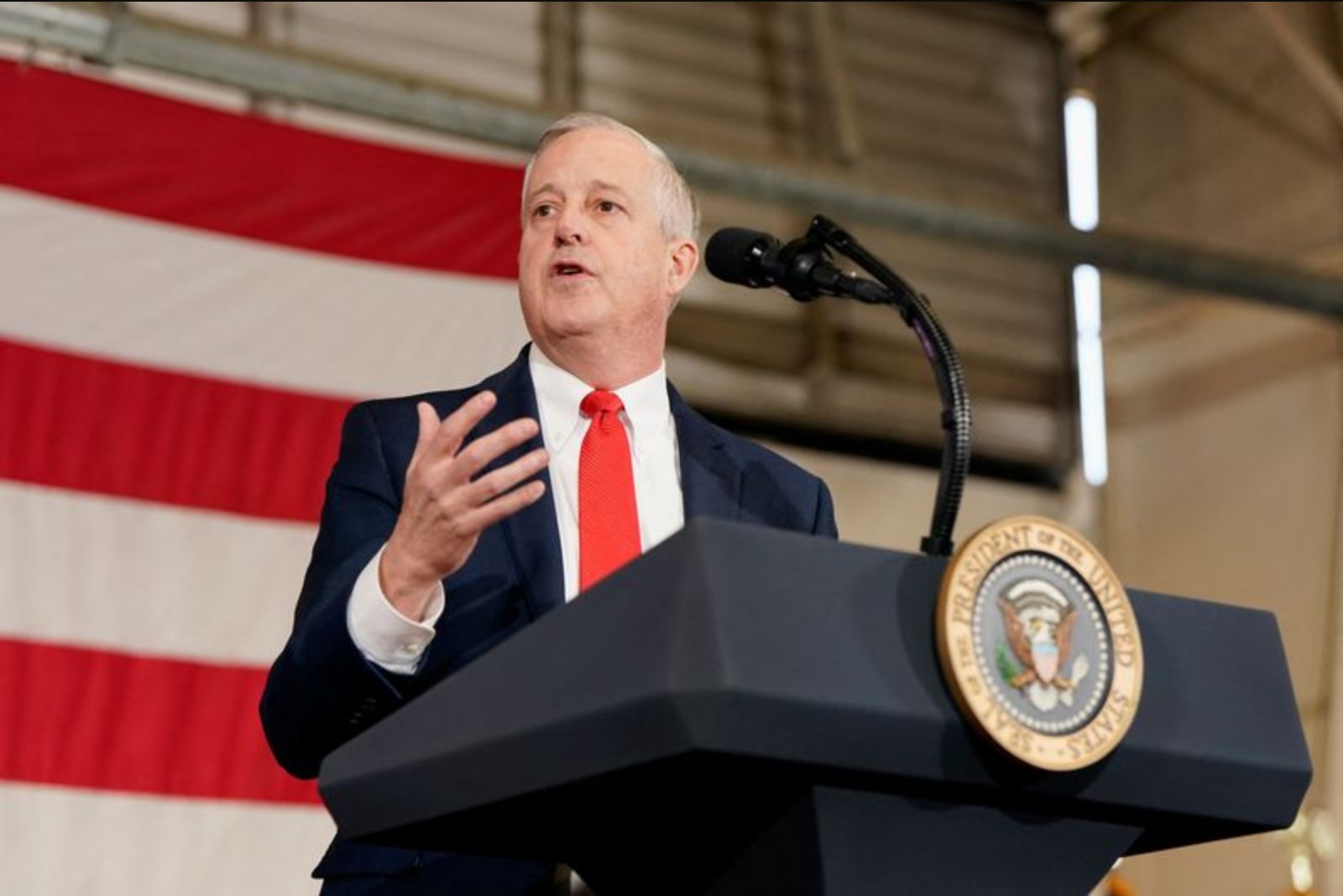
Michael Whatley, a close ally of former President Donald Trump and one-time Republican National Committee chair, won the Republican primary for North Carolina's open U.S. Senate seat, according to media reports. With more than 30% of the vote in a seven-candidate field, Whatley avoided a runoff and is set to face Democrat Roy Cooper, the state's former governor, in a November race viewed as pivotal for control of the Senate.

Key Points

  • Michael Whatley, a close ally of Donald Trump and former RNC chair, won North Carolina's Republican primary for the open U.S. Senate seat with over 30% of the vote, avoiding a runoff.
  • Whatley will face Democrat Roy Cooper, the state's popular former governor; the race is a top Democratic target and could influence which party controls the Senate.
  • Political dynamics cited by Democrats - including concerns about high prices and criticism of immigration enforcement linked to Trump - are seen as factors that could narrow Republican advantages; the contest is expected to be among the most expensive races nationally. (Impacted sectors: national politics, financial markets, campaign advertising industry)

Michael Whatley, long aligned with former President Donald Trump, captured the Republican nomination for North Carolina's vacant U.S. Senate seat on Tuesday, media reports say. Whatley, who previously led the Republican National Committee and was selected by Trump to be the party's contender in the state, secured the top spot in a crowded seven-candidate primary.

Whatley obtained over 30% of the primary vote, enabling him to avoid a runoff that would have been required had he fallen short of that threshold. His victory sets up a general election contest in November against Roy Cooper, North Carolina's popular former governor and the Democratic nominee in the race.

The contest is already being framed as a tight, competitive matchup in a state that has been a focal point for both parties. Democrats have identified North Carolina as one of their key targets in the coming midterms, and party strategists view the race as potentially consequential for control of the U.S. Senate.

Nationwide, the balance of power in the Senate hinges on a handful of competitive contests. Democrats need a net gain of four seats to regain a majority, though they must also defend several closely contested seats of their own. North Carolina's open seat is therefore counted among the most closely watched.

Several factors cited by Democratic strategists underscore their sense of opportunity in the state. Despite not winning a U.S. Senate contest in North Carolina since 2008, Democrats point to headwinds confronting Republicans - including voter concerns about high prices and criticism of immigration enforcement methods associated with Trump - as elements that could narrow margins.

Roy Cooper is viewed by many within the Democratic Party as a strong nominee who could capitalize on those dynamics. Cooper's statewide profile as a former governor makes the matchup particularly competitive.

The vacancy arose after Republican incumbent Thom Tillis, who has publicly criticized some of Trump's policies, announced in 2025 that he would retire from Congress early next year. North Carolina remains a closely contested state at the national level; Trump narrowly won the state in 2024 by just over 3 percentage points.

Observers expect the race to be among the most expensive in the country, reflecting its perceived importance to both parties as they compete for control of the Senate and as they weigh strategic resource allocation in the wider midterm cycle.


Clear summary

Michael Whatley won the Republican primary for North Carolina's open U.S. Senate seat with over 30% of the vote in a seven-candidate race, avoiding a runoff. He will face Democrat Roy Cooper in November in a contest viewed as pivotal for control of the U.S. Senate.

Risks

  • Uncertainty over voter response to economic issues such as high prices could alter the competitiveness of the race and affect market expectations tied to election outcomes. (Impacted sectors: broader economy, financial markets)
  • Intense spending and advertising in what is expected to be a costly campaign could distort short-term local media and advertising markets and shift fundraising dynamics. (Impacted sectors: media, advertising)
  • The open seat arose after incumbent Thom Tillis announced in 2025 that he would retire from Congress early next year, creating uncertainty about incumbency dynamics and campaign timelines that can influence fundraising and strategic planning. (Impacted sectors: political fundraising, campaign services)

More from Politics

Cornyn and Paxton Advance to Texas Republican Runoff After Neither Clears 50% Threshold Mar 3, 2026 Gina Hinojosa Secures Democratic Nomination for Texas Governor Mar 3, 2026 California Democratic Chair Urges Gubernatorial Hopefuls to Reassess Campaigns Amid Top-Two Primary Risk Mar 3, 2026 White House National Security Team Lobbies Congress Over Iran Campaign Mar 3, 2026 Hillary Clinton Says She Has No Knowledge of Jeffrey Epstein's Activities in Closed-Door Deposition Mar 3, 2026