
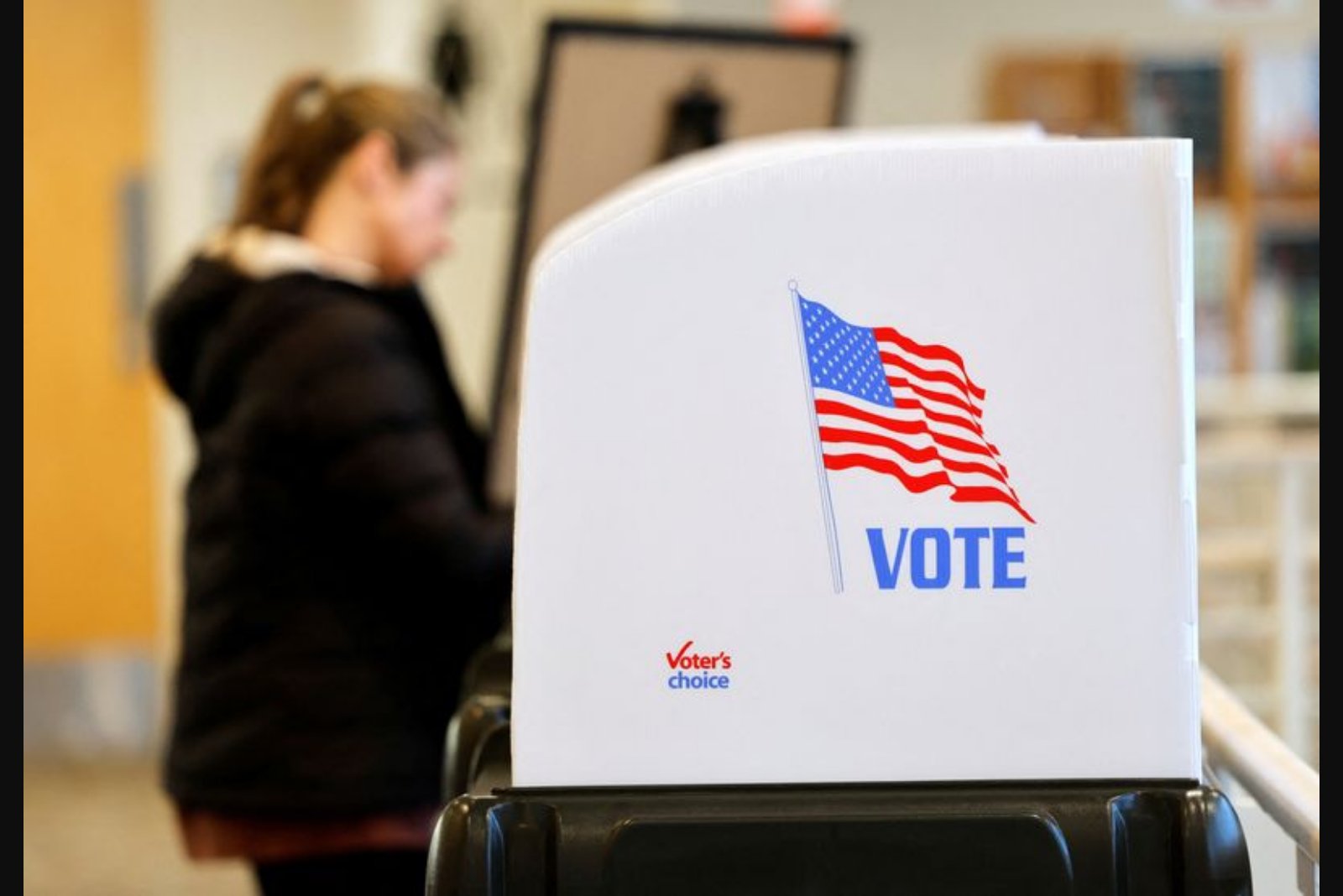
Voters in Texas on Tuesday selected Democratic and Republican contenders who will head into November’s midterm elections, contests that will help determine which party controls the U.S. Congress for the next two years. An intensive redistricting effort in the state has significantly reshaped several districts, producing new matchups and prompting incumbents to change their plans.
Overview
The opening night of the primary season highlighted a slate of House races that have been materially affected by the new district maps. Candidates across the political spectrum picked up high-profile endorsements, while some incumbents opted to seek election in different districts rather than defend newly configured ones. The contests mix judicial officeholders, former executives and veterans, and include instances where accusations and past legal troubles have factored into voter and party calculations.
9th District GOP Runoff - Cain vs. Mealer
In the Houston-area 9th congressional district, voters did not produce an outright Republican nominee on primary night but instead set up a runoff between State Representative Briscoe Cain and Alex Mealer, a former oil-and-gas finance executive and small business owner. Projections indicate the runoff will take place in May. Cain secured the endorsement of Governor Greg Abbott, while Mealer obtained the backing of former President Donald Trump.
The 9th district’s boundaries were redrawn to strongly favor Republican candidates. The changes were significant enough that incumbent Democratic Representative Al Green decided to pursue election in a different district rather than remain in the 9th.
28th District - Tano Tijerina to Challenge Henry Cuellar
In the San Antonio area, Republican Tano Tijerina, a Webb County judge and former Major League Baseball player, won the GOP primary in the 28th congressional district and is expected to face Democratic Representative Henry Cuellar, a 21-year House veteran, in November. Tijerina carried endorsements from both Trump and Abbott.
The 28th district’s redrawn map is understood to have made the seat more competitive for Republicans. Cuellar, who is often described as one of the most conservative members of the Democratic caucus, has previously contended with legal issues that complicated past reelection bids. Those legal concerns eased when Trump pardoned him in December of charges that included bribery.
34th District - Vicente Gonzalez’s Primary Win and Republican Field
Representative Vicente Gonzalez won the Democratic primary in the 34th congressional district and will contend with a tougher general election environment after redistricting increased Republican competitiveness in the district. Gonzalez, first elected in 2017, has shifted on some immigration-related positions and voted in favor of a bill prohibiting transgender athletes from participating in girls’ sports, a stance reflecting the district’s more Republican-leaning electorate in recent cycles.
Gonzalez faced challengers in the primary, including Etienne Rosas, a researcher and academic who identifies as a democratic socialist. On the Republican side, seven candidates are competing for the nomination. The two leading contenders share the surname Flores: Eric Flores, a former federal prosecutor in Texas who has endorsements from Trump and Abbott and other prominent Republicans, and Mayra Flores, a former U.S. House member who was defeated twice by Gonzalez in general elections and who no longer has Trump’s endorsement but benefits from name recognition among voters.
23rd District - Allegations Shadow Incumbent Tony Gonzales
The race in Texas’ 23rd congressional district, which stretches from western San Antonio to El Paso along the Mexican border, has been unsettled by serious allegations reported by local media against three-term incumbent Republican Representative Tony Gonzales. Local reporting alleges that Gonzales solicited explicit photographs from an aide who later died by suicide; Gonzales has denied the charges.
Gonzales’ principal Republican opponent is Brandon Herrera, a firearms manufacturer known publicly as "the AK guy." Herrera is viewed as more conservative than Gonzales, who drew ire from some in his party after voting to certify the 2020 presidential election results and for supporting a 2022 gun-control bill that became law. Given the partisan composition of the district, the eventual Republican primary winner is heavily favored to prevail in November.
32nd District - Dallas Seat Moves Toward Republicans
Redistricting has also transformed the 32nd congressional district, which includes parts of Dallas, into a more Republican-leaning seat. The map shift prompted incumbent Democratic Representative Julie Johnson to run in a neighboring district instead of defending the 32nd. Projections show that two Republicans - Jace Yarbrough, a constitutional lawyer who has Trump’s endorsement, and Ryan Binkley, who ran for president in 2024 - will advance to a May runoff for the GOP nomination.
35th District - Austin-San Antonio Seat Becomes Competitive
The 35th congressional district, previously structured to link liberal-leaning areas of Austin and San Antonio, was redrawn in a manner that makes it more contestable for Republican candidates. Incumbent Democrat Greg Casar chose to seek election in a different district as a result.
Eleven Republicans filed for the 35th nomination, with four seen as the most competitive: state Representative John Lujan, who has Abbott’s support; former marketing professional Joshua Cortez; Air Force veteran and kickboxing gym owner Carlos De La Cruz; and Navy veteran Jay Furman, who previously lost to Henry Cuellar in 2024.
Democratic contenders in the 35th include Johnny Garcia, a former sheriff’s deputy; Maureen Galindo, a tenants organizer; John Lira, a repeat congressional candidate; and Whitney Masterson-Moyes, who operates a sporting clays range.
Implications
These contests illustrate how redistricting has shifted the political map in Texas, producing high-stakes primaries with endorsements from prominent national and state figures. Several races feature candidates with direct ties to the energy and firearms sectors, while others are influenced by candidates’ legal histories or personal allegations that could affect voter perceptions.
As these primaries conclude and runoffs are resolved, analysts and market participants will be watching for changes in congressional composition that could affect legislative priorities, regulatory agendas and oversight relevant to multiple sectors.