
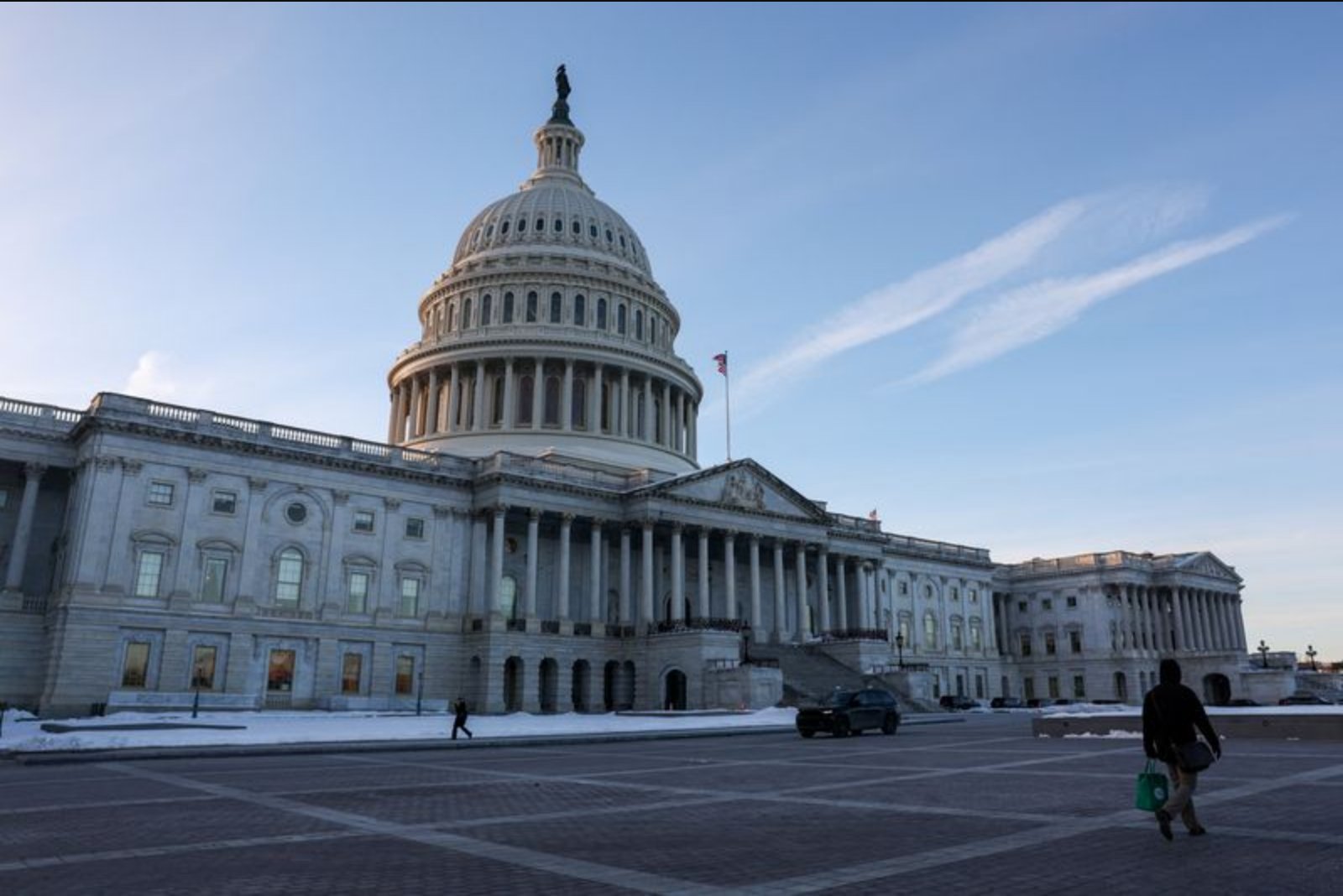
WASHINGTON, March 18 - Senators will publicly question senior Trump administration national security aides on Wednesday as the Senate Intelligence Committee conducts its yearly assessment of global threats, an exchange that comes nearly three weeks into the war with Iran that began on February 28.
The hearing is expected to concentrate on the Middle East conflict, which lawmakers say has killed thousands of people, disrupted the lives of millions and unsettled energy and stock markets. Both Republican and Democratic senators have signaled a desire for more information about the campaign and the administration’s objectives and planning.
Democrats have been particularly vocal in criticizing what they describe as insufficient congressional notification. They demanded public testimony after receiving classified briefings over the last two weeks, arguing that a more open session is appropriate given the scale of the conflict and its costs to U.S. taxpayers.
Among the senior officials slated to testify are the Director of National Intelligence Tulsi Gabbard and CIA Director John Ratcliffe. Their appearances are likely to cover a range of intelligence assessments and the administration’s handling of the buildup to and conduct of operations related to Iran.
The hearing arrives in the wake of a high-profile resignation. Joe Kent, who had headed the National Counterterrorism Center, resigned citing opposition to the war. Kent is the first senior official in the Trump administration to step down over the conflict, and his departure has drawn attention because the Office of the Director of National Intelligence oversees the center. Kent was described as close with Gabbard, who has largely kept a low profile since the war began.
"I cannot in good conscience support the ongoing war in Iran. Iran posed no imminent threat to our nation, and it is clear that we started this war due to pressure from Israel and its powerful lobby," Kent wrote in a letter posted to social media.
The White House rejected Kent’s assertion, saying his letter contained "false claims."
Republican leadership on the committee has defended the administration’s campaign. Senator Tom Cotton of Arkansas, the panel’s chair, said on Tuesday that the military phase had been "extraordinarily successful" and warned that achieving the administration’s goals would take time. "In the end, we will have defanged the Iranian regime, their missile forces, their drones, their missile launchers, their manufacturing capability will be ended. Their nuclear program will once again be pulverized," Cotton said.
Cotton described the operation as carefully planned. That assessment contrasts with critiques from Democrats and other skeptics who argue the administration did not adequately anticipate secondary effects such as Iran’s closure of the Strait of Hormuz, a strategically vital energy shipping route.
Questions continue about what President Trump was told before coordinating strikes with Israel. Sources familiar with U.S. intelligence reporting have told lawmakers and observers that intelligence indicated attacks on Iran could trigger retaliatory strikes against U.S. Gulf partners, even as the president has said Tehran’s reaction took him by surprise.
Those same sources have noted administration claims that are not supported by U.S. intelligence reporting, including assertions that Iran would soon field a missile capable of reaching the U.S. homeland and that Tehran required two to four weeks to assemble a nuclear device. According to two other sources familiar with the matter, Trump was briefed ahead of the operation that Tehran would likely seek to close the Strait of Hormuz.
On the Sunday talk show circuit, Senator Mark Warner of Virginia, the committee’s Democratic vice chair, labeled the campaign a "war of choice." Warner said he did not believe there was an imminent threat either to the United States or to Israel from Iran.
The House Intelligence Committee is scheduled to hold its own worldwide threats hearing on Thursday.
Context provided in testimony and public scrutiny
With classified briefings already delivered to members in recent days, the public hearing gives senators a chance to press intelligence leaders on the quality, timing and content of the information provided to policymakers and the president. Lawmakers will likely press on what intelligence assessments concluded about Iran’s intentions and capabilities prior to the operation, what warnings were given about likely regional consequences, and how the campaign’s costs and market impacts have been evaluated.
Officials appearing before the committee will face detailed questioning on both the underlying intelligence and the administration’s decision-making process, while senators across the aisle will weigh competing views about the campaign’s planning and projected outcomes.
The outcomes of those exchanges could shape congressional oversight, informing whether lawmakers seek further public hearings, additional classified briefings, or legislative steps related to funding, authorizations or oversight of military and intelligence activities tied to the conflict.