
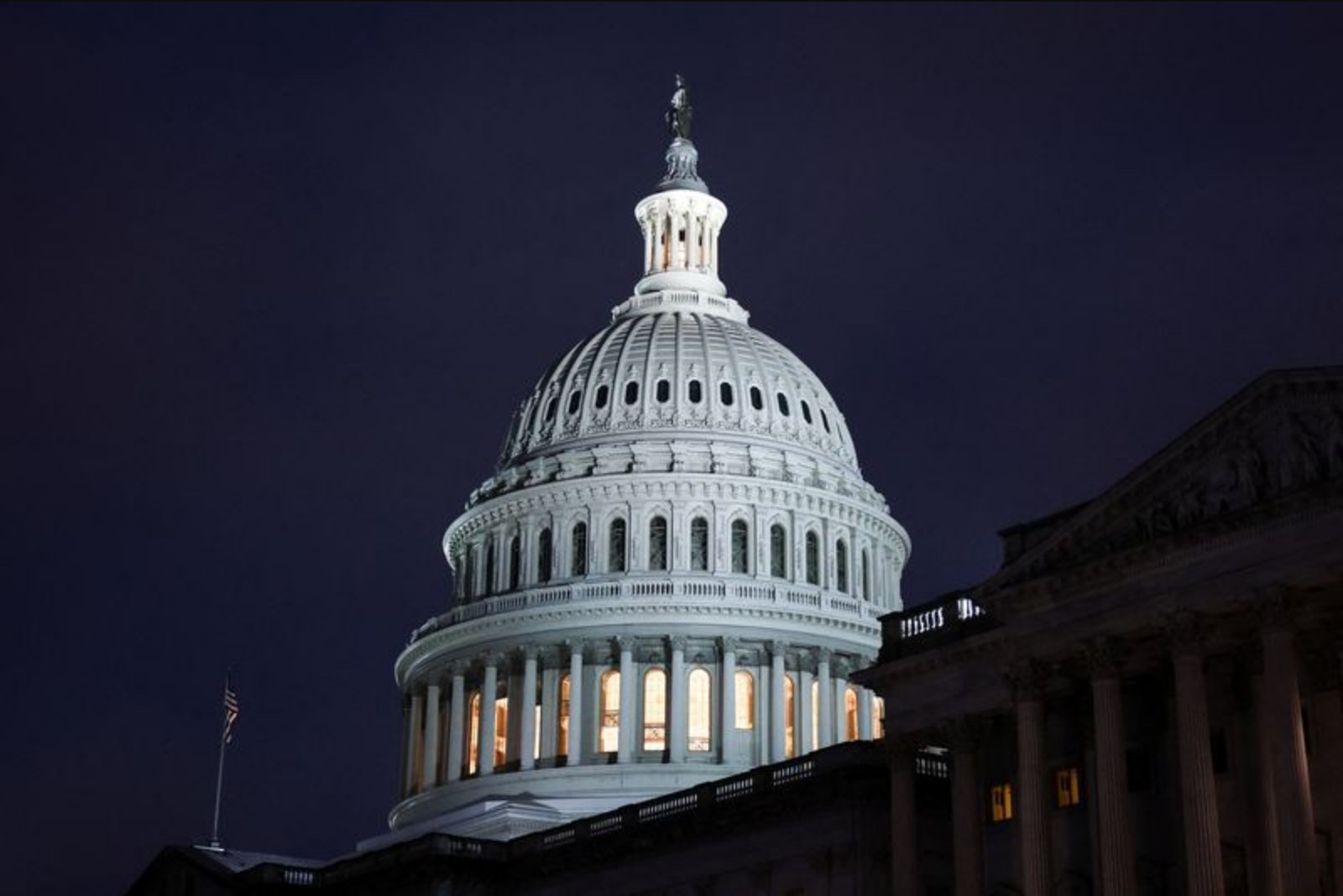
Members of the U.S. Senate are scheduled to begin votes on Wednesday on a bipartisan war powers resolution designed to end the military campaign against Iran unless Congress explicitly approves further action. The measure, supported by Democrats and a small number of Republicans, is being presented by its backers as an attempt to reclaim the Constitutionally assigned power of Congress to declare war.
Senator Tim Kaine of Virginia, a principal sponsor of the resolution, emphasized the accountability he said the vote would force upon lawmakers. Speaking by telephone ahead of the afternoon roll call, Kaine said it was important to have every member recorded on the matter.
"I do think it’s really important to put every member of Congress on the record about this," he said. "If you don’t have the guts to vote 'Yes' or 'No' on a war vote, how dare you send our sons and daughters into war where they risk their lives?"
Republicans, who control narrow majorities in both the Senate and the House of Representatives, have previously blocked initiatives intended to limit the president's authority to conduct hostilities. GOP critics argue the Democratic-led effort is politicizing national security and contend the president's orders so far have amounted to limited operations rather than full-scale wars. As an example, Republicans pointed to an operation in January involving the capture of Venezuelan President Nicolas Maduro.
The conflict described in the resolution has expanded in recent days. What backers call the U.S.-Israel war on Iran began five days earlier and, according to the information available, has produced damage in Iran, Israel and across the Middle East and has resulted in the first U.S. casualties related to the campaign.
The House of Representatives is expected to consider the same measure on Thursday. House Speaker Mike Johnson of Louisiana told reporters on Tuesday that he believed there were sufficient votes in his chamber to defeat the resolution. He warned that passing it could place U.S. forces in greater danger and could provoke Iranian forces.
"Imagine a scenario where Congress would vote to tell the commander-in-chief that he was no longer allowed to complete this mission. That would be a very dangerous thing," Johnson said. His comments followed a classified briefing on the Iran conflict given by senior administration officials.
Even if the Senate approves the resolution, it would still need to clear the House and then overcome an anticipated presidential veto. According to the rules for overriding a veto, two-thirds majorities in both chambers would be required to make the measure law.
Kaine acknowledged that continued developments in the Iran conflict could alter some lawmakers' positions. He suggested supporters of the resolution could bring it back if hostilities persisted, noting that lawmakers who vote against it now might change their votes later as events unfold.
"Sometimes people will see things that concern them, and they’ll vote 'No,' but then later as events continue to develop they may vote 'Yes,'" he said.