
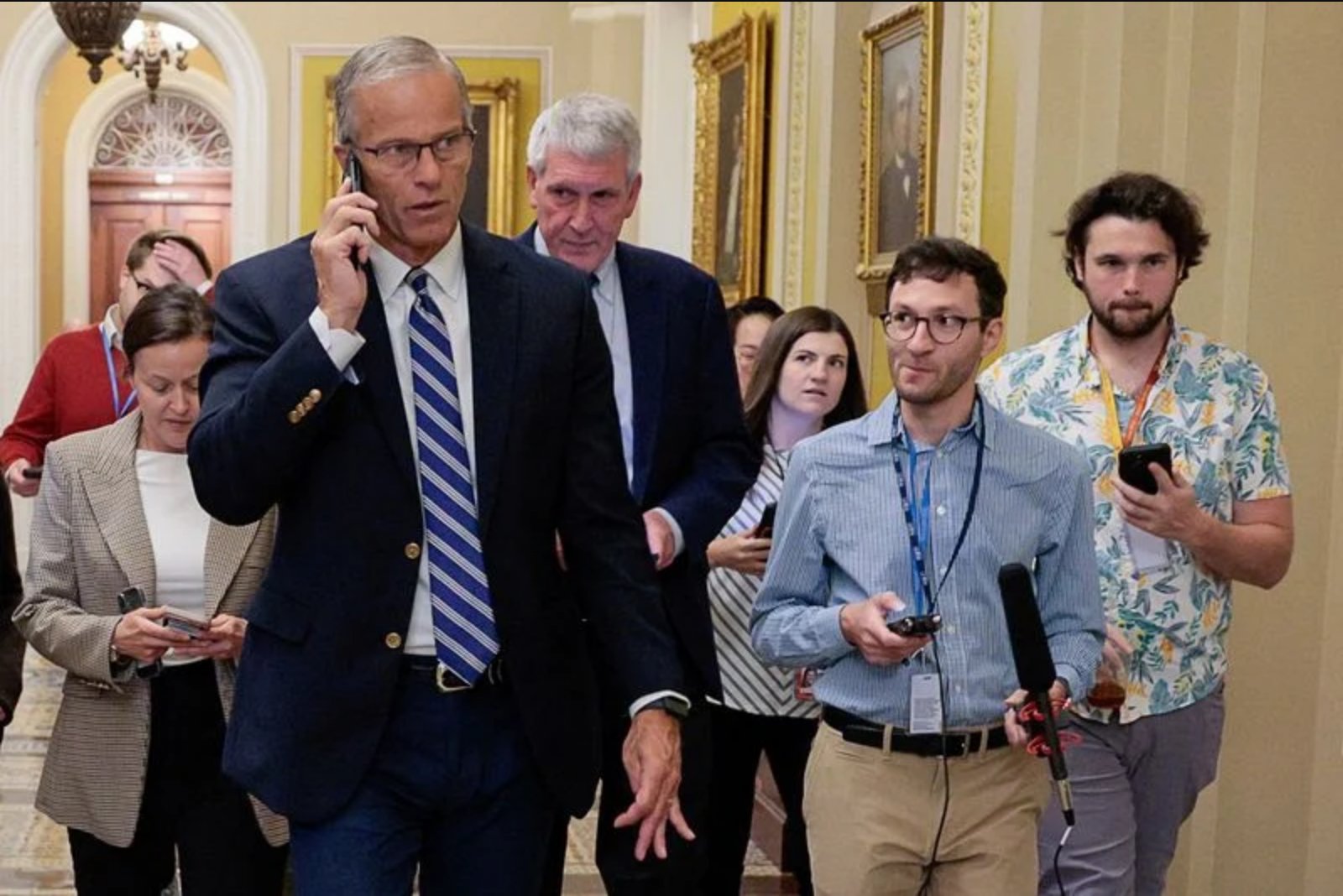
Seven Republican senators joined Democrats on Friday to block debate on renewal of Section 702 of the Foreign Intelligence Surveillance Act, leaving the warrantless foreign surveillance authority on track to expire on June 12 unless lawmakers take further action. The motion to begin debate failed early in the day by a vote of 47-52.
Only one Democrat, Senator John Fetterman of Pennsylvania, crossed party lines to support the procedural motion. Senate Majority Leader John Thune criticized the nearly unanimous Democratic opposition to bringing the measure up for debate, calling the outcome a significant setback for Republicans who hold narrow control of both chambers of Congress.
The standoff has been linked in part to Democratic objections to President Donald Trump’s recent naming of Bill Pulte, the director of the Federal Housing Finance Agency, as acting director of national intelligence. Democrats have raised concerns about Pulte’s lack of national security experience, and Thune said the administration will need to consider whether that appointment constitutes an impediment to extending the surveillance authority.
"Next week, it gets real," Thune told reporters. "A few days from now ... the program goes dark. I just think that would be a dangerous mistake for the country. Hopefully, responsible folks will come to the table and at least help us figure this out."
Thune acknowledged the timing of Pulte’s appointment "arguably wasn’t the best," but added, "I still don’t think it ought to derail something that’s this important." The Senate had previously approved a 45-day extension of the measure on April 30, a stopgap that faces expiration absent additional congressional action.
The failure to advance debate also reflected broader strains within the Republican conference. Some Senate Republicans have expressed reservations about a variety of initiatives put forward by the White House, including a request for roughly $1 billion to construct a 90,000-square-foot White House ballroom and a proposed $1.776 billion fund intended to provide support to political allies who claim government mistreatment. Those initiatives contributed to tensions that complicated floor action on the surveillance reauthorization.
Meanwhile, public opinion polling has indicated limited support for several White House priorities at a time when voters are focused on easing rising inflation. The article links part of the inflationary pressure to the United States’ conflict with Iran, noting that the war has hindered international oil movement and contributed to higher prices.
With Section 702 set to lapse in days, lawmakers face a narrowing window to reconcile disputes over personnel and policy before the program becomes inactive.