
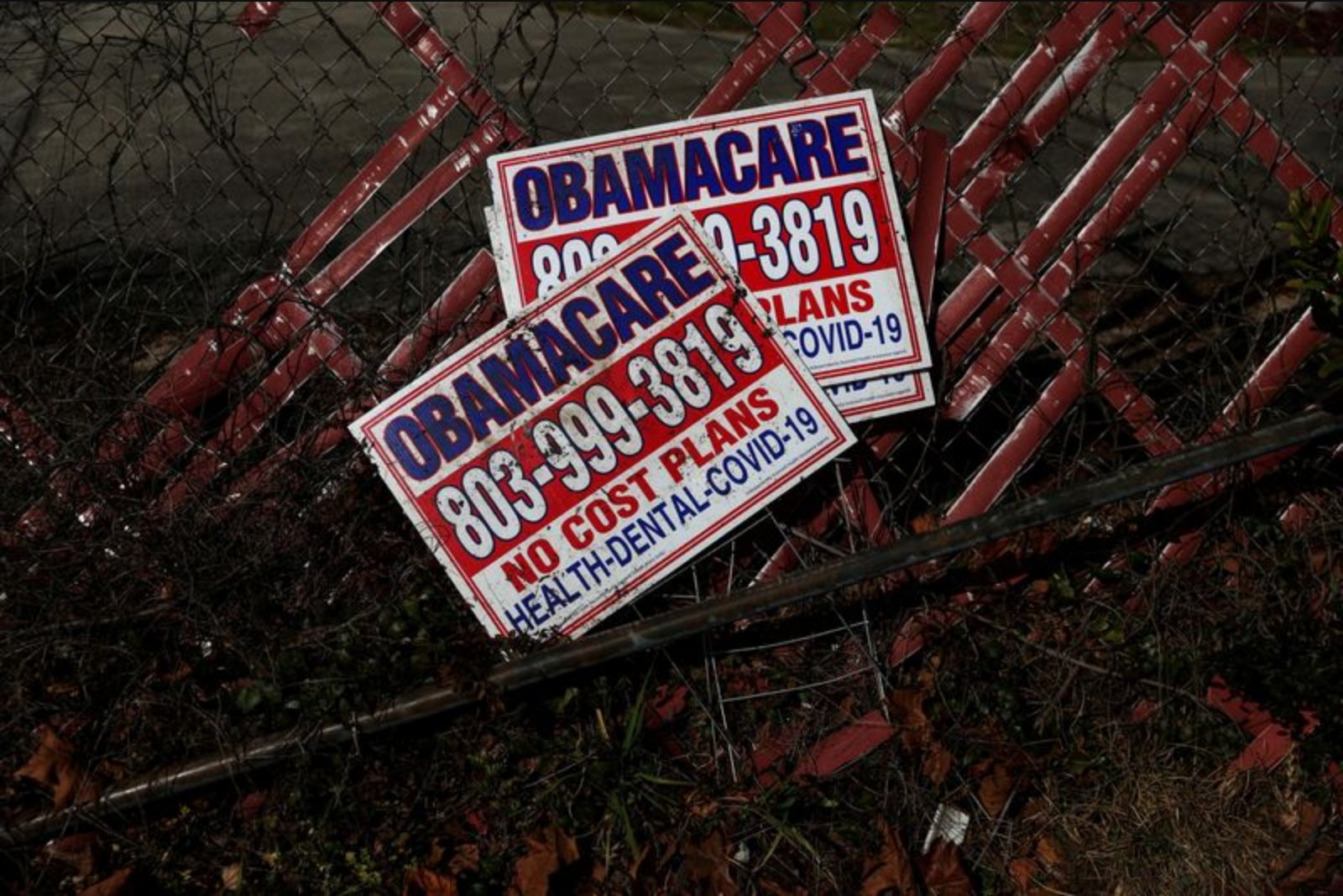
New data compiled through April from several states that operate their own ACA marketplaces show an uptick in cancellations and forced disenrollments tied to non-payment of premiums. Officials and policy analysts say that the trend reflects the end of supplemental pandemic-era subsidies and that it is shaping up as a political vulnerability for the Republican Party and President Donald Trump ahead of the November midterm elections.
Enrollment and premium shifts
About 23 million people either signed up or were automatically reenrolled in plans for 2026 under the Affordable Care Act, a 5% decline from the prior year. That drop in participation is attributed primarily to the expiration of enhanced COVID-19-era subsidies that helped many people keep coverage. According to health policy research group KFF, without those extra subsidies premiums rose on average by 114% to $1,905 annually.
"Consumers are being exposed to the actual unsubsidized cost of these premiums and are choosing to leave the marketplace," said Matt McGough, a policy analyst at KFF.
The U.S. Centers for Medicare & Medicaid Services, which oversees the Affordable Care Act and operates HealthCare.gov for roughly 30 states, did not respond to requests for comment.
State-by-state differences
The pattern of rising disenrollments is not uniform across states. Of 20 states and the District of Columbia that run their own marketplaces and were contacted, 12 provided snapshots of recent months. Connecticut, Massachusetts and New Mexico reported that thousands of consumers either failed to pay their first premium or lost coverage early in the year because of missed payments. Some states allow a grace period of 90 days or more for missed premium payments.
Kentucky and Idaho stand out for particularly large changes. In Kentucky, 15,067 people who selected 2026 plans lost coverage due to non-payment between January and April, up from 5,034 disenrollments in the same period the previous year. The state also recorded an 8.5% drop in overall enrollment in January, according to a spokesperson for Kentucky's Cabinet for Health and Family Services.
Idaho experienced a significant decline as well: enrollment fell by 24,402 people through April, compared with a loss of 15,866 members during the same time last year. By contrast, California saw a 6% rise in cancellations over the same span.
KFF’s McGough noted that rural markets such as Kentucky and Idaho frequently have fewer insurers, which can limit competition and contribute to higher prices. Kentucky’s state exchange reported that it has three insurers for 2026, down from four in 2025.
Some states were able to deploy additional state-level support to blunt the impact. For example, Colorado recorded a 2% drop in enrollment and Pennsylvania saw a similar 2% decline.
Broader estimates and payment behavior
Consulting firm Wakely analyzed premium payment data that covers roughly 80% of the ACA individual market and estimated total enrollment likely fell between 17% and 26% through March. Wakely also reported that more than 14% of enrollees failed to pay their January premium. That figure aligns with a March KFF survey which found about 15% of ACA enrollees had not paid premiums, a gap KFF tied largely to higher costs.
Political implications
Affordability of health insurance is a leading concern for voters, and analysts say its prominence is likely to grow as the year progresses. "It is like a gathering storm," said Jonathan Oberlander, a professor of health policy at the University of North Carolina School of Medicine. KFF polling shows affordable health care remains at the top of public concerns and that more than three-quarters of independent voters say healthcare costs will influence their vote and which party’s candidate they support in November.
An Idaho health exchange spokesperson attributed the spike in disenrollments primarily to affordability.
Oberlander warned that by November, as more people have dropped coverage and media attention has increased, the issue could exert greater influence on the midterms that will determine control of Congress.
Local perspectives
Maryland’s Health Benefit Exchange executive director Michele Eberle said the state has seen enrollment fall by 8% and that more than 60% of those who disenrolled cited increased or unmanageable costs. Maryland expects enrollment to decline 15% this year. "We’re going to see month-over-month declines, especially with gas prices that are continuing to climb," Eberle said. "We have to see where the breaking point is for people."
Other state exchange officials echoed that costs are prompting choices to forgo coverage or let policies lapse.
Implications for markets and policy watchers
The data point to a marketplace where the withdrawal of emergency-era financial supports has materially altered consumer behavior. The immediate effect is visible in enrollment tallies and premium payment patterns; the political consequences may intensify as the election cycle progresses. Observers continue to monitor how state-level insurer participation, affordability interventions, and shifting payment behavior will influence both coverage rates and the political landscape ahead of the midterms.