
Politics March 10, 2026

Republican Representative Reiterates Anti-Muslim Remarks, Drawing Broad Condemnation

Comments prompt designation by Muslim advocacy group and criticism from top Democrats while GOP leadership declines to condemn

By Derek Hwang
Republican Representative Reiterates Anti-Muslim Remarks, Drawing Broad Condemnation

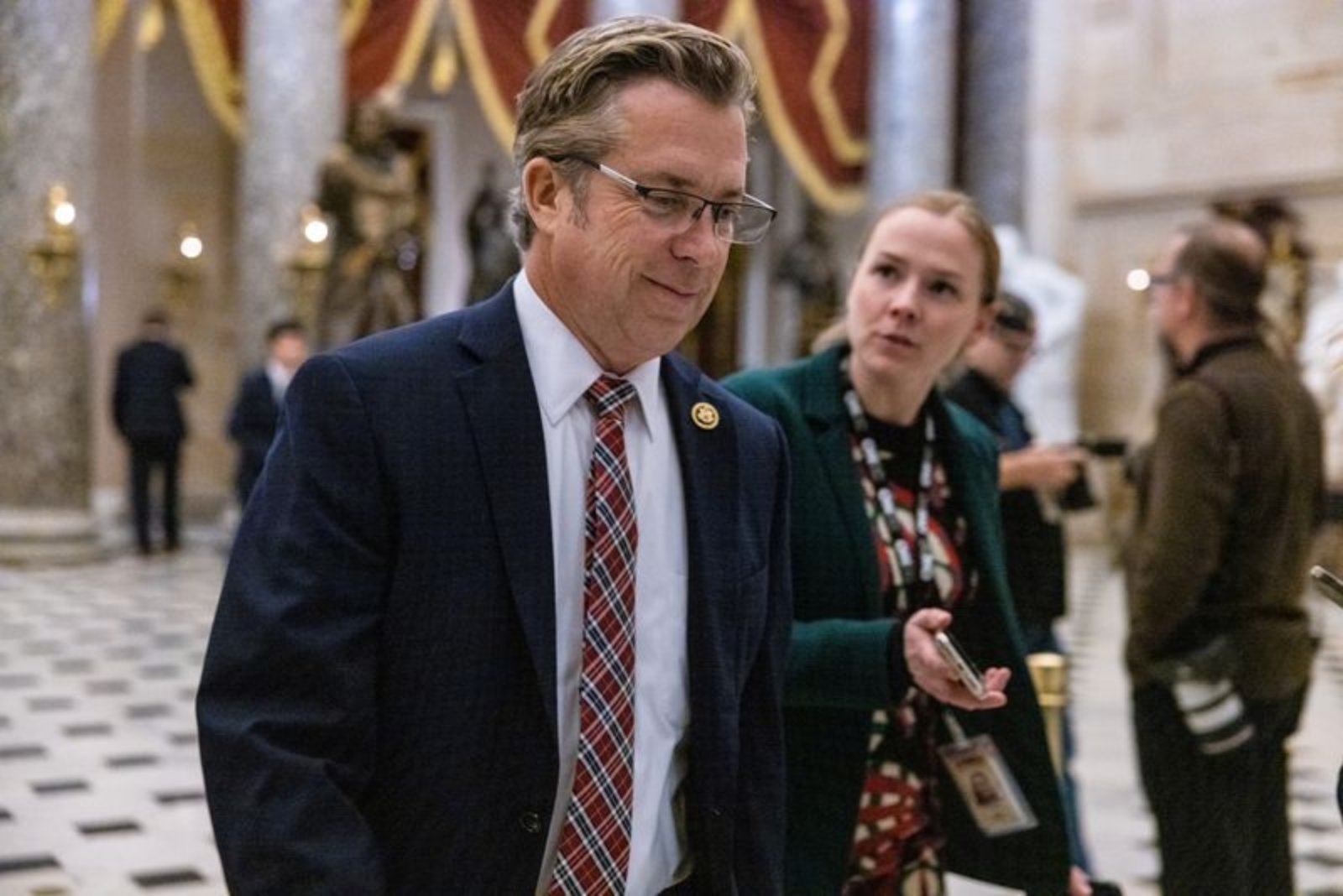
Republican U.S. Representative Andy Ogles reaffirmed his statement that "Muslims don’t belong in American society," prompting swift criticism from leading Democrats and a designation by the Council on American-Islamic Relations as an "anti-Muslim extremist." Ogles followed the initial post with a call for Muslims to be expelled from the United States, while Republican House Speaker Mike Johnson declined to denounce his remarks.

Key Points

  • A Republican congressman publicly stated "Muslims don’t belong in American society," and reiterated the position the next day by calling for Muslims to be expelled.
  • The Council on American-Islamic Relations designated the lawmaker as "an anti-Muslim extremist," and leading Democrats including Gavin Newsom and Hakeem Jeffries condemned the remarks as "disgusting" and Islamophobic - affecting the political and civic sectors.
  • House Speaker Mike Johnson declined to condemn the statements, highlighting a divide in political leadership responses that bears on public policy debate and political risk perception.

On March 10, Republican U.S. Representative Andy Ogles responded to backlash by standing by his earlier social media statement that "Muslims don’t belong in American society," a remark that has drawn widespread condemnation and led the Muslim advocacy group the Council on American-Islamic Relations to label him "an anti-Muslim extremist."

Ogles first posted the line "Muslims don’t belong in American society. Pluralism is a lie" on X on Monday. He then doubled down the following day, urging the removal of Muslims from the country with the comment: "Muslims are unable to assimilate; they all have to go back."

The remarks prompted strong rebukes from prominent Democrats. California Governor Gavin Newsom and House Minority Leader Hakeem Jeffries both characterized the comments as "disgusting" and Islamophobic.

The Council on American-Islamic Relations (CAIR), an organization that tracks and documents anti-Muslim and anti-Arab bias in the United States, said it had designated Ogles as "an anti-Muslim extremist" following his social media posts.

Responses to the episode have recalled recurring sources of anti-Muslim sentiment. Rights advocates routinely point to the September 11, 2001 attacks as a root of Islamophobia in the U.S., and more recently they have linked it to anti-immigration sentiment, white supremacy, and the fallout from Israel's war in Gaza.

Muslim advocacy organizations have previously criticized other Republican lawmakers for anti-Muslim statements, citing past instances involving figures such as Representative Randy Fine. Those groups have also voiced opposition to enforcement actions and policy moves they associate with the previous Republican presidential administration, including a crackdown on immigration and responses to pro-Palestinian protests.

Asked about Ogles' remarks, Republican House Speaker Mike Johnson declined to condemn them when speaking to reporters on Tuesday.


Context and reactions

  • Direct quotes: Ogles posted "Muslims don’t belong in American society. Pluralism is a lie," and later wrote "Muslims are unable to assimilate; they all have to go back."
  • Advocacy group action: CAIR designated him as "an anti-Muslim extremist."
  • Political response: Top Democrats described the remarks as "disgusting" and Islamophobic, while the Republican House Speaker declined to issue a condemnation.

The episode adds to an ongoing set of tensions in U.S. public life surrounding religion, immigration and political rhetoric.

Risks

  • Escalation of political polarization - the incident could contribute to heightened partisan tensions and public discourse volatility, impacting the broader political sector.
  • Increased scrutiny and mobilization by civil rights and advocacy groups - sustained advocacy responses may influence immigration policy debates and related enforcement discussions in the policy and civic sectors.
  • Potential reputational and governance consequences for individuals and institutions that fail to clearly respond - uneven responses from political leaders may affect perceptions of governance and institutional neutrality.

More from Politics

Senators Raise Alarm Over Possibility of U.S. Ground Troops in Iran Mar 10, 2026 Trump Signals Conflict Winding Down; Strategist Says Risks Persist Mar 10, 2026 Wolfe: Trump Appears to Be Accelerating Toward an Exit From the Iran Conflict Mar 10, 2026 Georgia special election to replace Marjorie Taylor Greene becomes a test of Trump’s influence in a deep-red district Mar 10, 2026 Senate Democrats Push for Immediate Public Iran War Hearings, Threaten Disruption if Blocked Mar 9, 2026